The Alabama - Coushatta Tribe
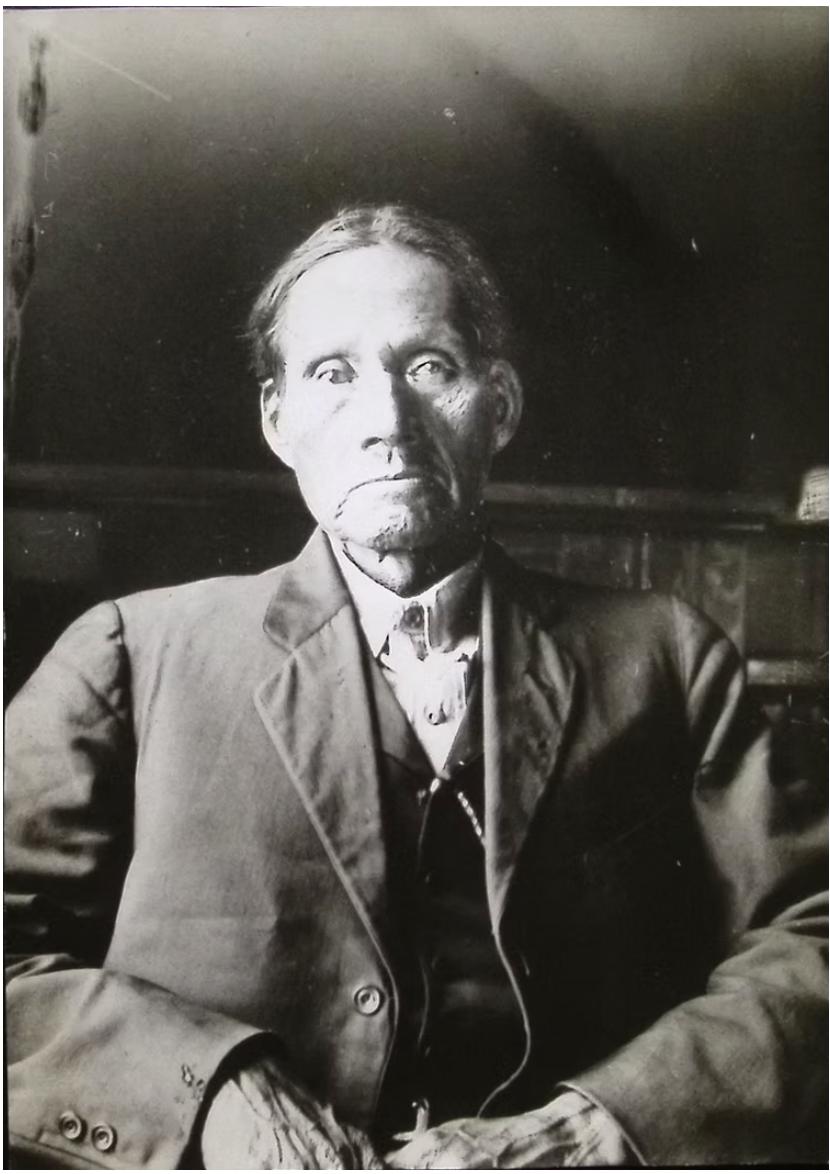
[2] https://www.tshaonline.org/handbook/entries/thompson-charles-martin
When most people think of Walker County today, they envision quiet East Texas towns or the legacy of Sam Houston. However, back in the 1830s and 1840s, this area was anything but quiet. Huntsville was known for its political power, Native diplomacy, and trade.
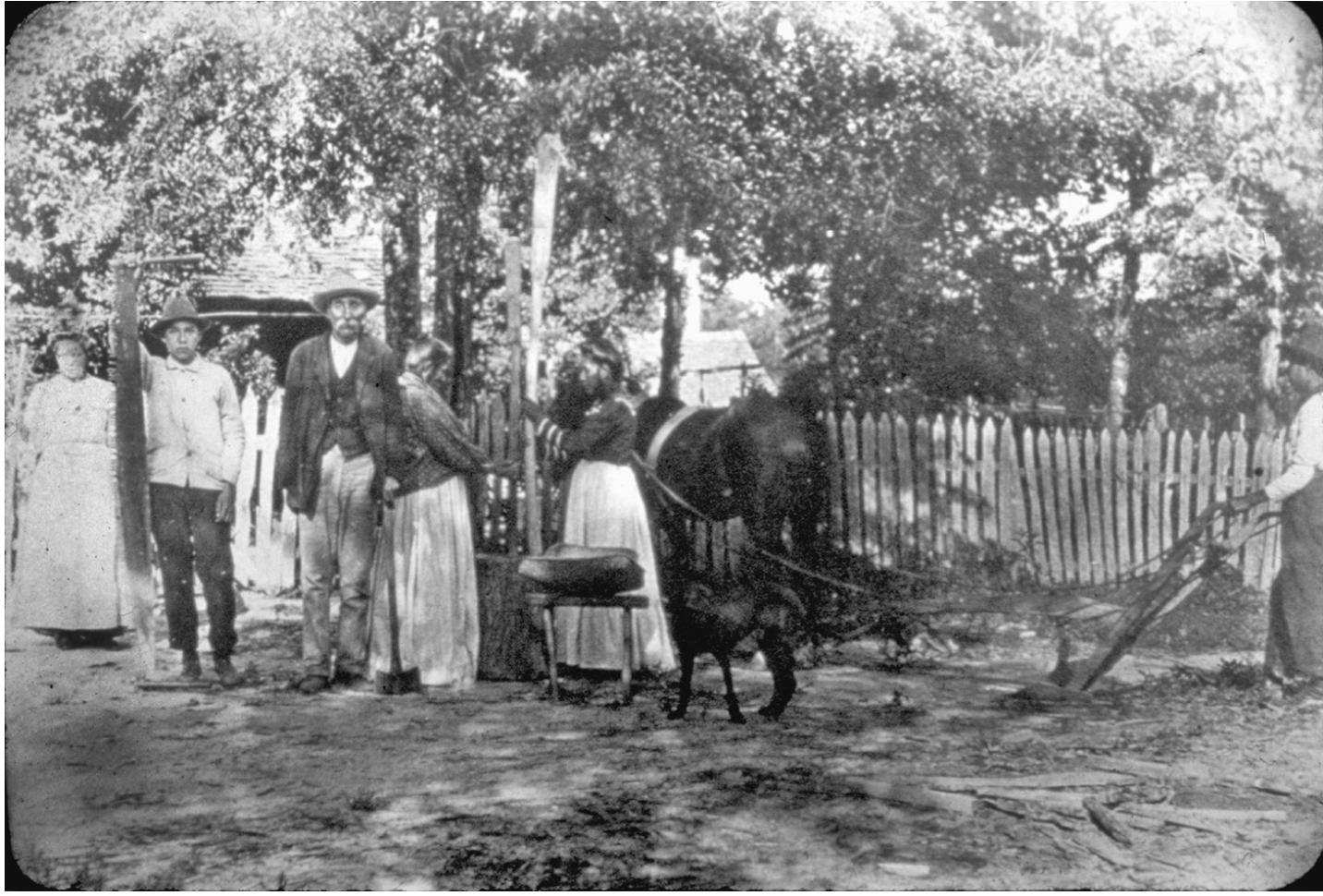
The Alabama-Coushatta had been moving west for a long time before Sam Houston arrived in Texas. Originally from the Southeast, they migrated to East Texas in the late 1700s, settling near rivers such as the Trinity and the Neches. Alabama-Coushatta families often sold crops, animal products, and handmade goods along these river routes, exchanging them with Anglo settlements and occasionally stopping in what would become Walker County. These rivers connected villages, creating trade partners and political allies across the region. [1]
Sam Houston’s Huntsville home was known as a political center for the Republic of Texas. Here, he welcomed many diplomats from across the country, as well as non-traditional leaders from Native tribes. Sam Houston had a long history with Native tribes; he had lived with the Cherokee earlier in his life. This experience allowed him to understand Native cultures in a way that most settlers around him did not. It gave him a different perspective from most diplomats at the time and made him much more accessible to the Alabama Coushatta. Tribal leaders seeking to protect their land and people held Sam Houston in high regard and trusted him to support their efforts to preserve their tribes. [2]
During the Texas Revolution, Houston’s approach to Native relations became even more important, especially amid rising tension over anti-Native policies. Unlike other Texas leaders who saw Native nations as obstacles to be overcome, Houston recognized the value of creating alliances with tribal leaders and exchanging information and trade goods. He met with Alabama-Coushatta leaders and facilitated negotiations to maintain the tribe’s neutrality during the conflict. The tribe appreciated Sam Houston’s efforts and showed their gratitude by providing food and guidance to fleeing Texans during the Runaway Scrape, an act Houston never forgot. Sam Houston grew to appreciate the Alabama-Coushatta Tribe, especially after their help during trying times. Little did he know that he would later repay their favors by helping to save them. [3]
Walker County’s importance only grew when Houston became president of the Republic of Texas. From Huntsville, Sam Houston worked on treaties, land grants, and policies to protect peaceful Native tribes, such as the Alabama-Coushatta. However, this did not last long, as his successor, Mirabeau B. Lamar, used Texas troops to remove tribes like the Cherokee forcibly and attempted to push other groups towards the upper Brazos River. [4] Still, the Alabama-Coushatta largely escaped harm because of the relationships Houston built with them during his visits to Walker County. [4]
Even with these protections, life was not easy for the Alabama Coushatta. White settlers often violated treaty restrictions and tried to move onto tribal lands, forcing tribal members to defend themselves. Settlers were murdering Coushatta members in many places, including Liberty County, which became a turning point for the tribe. Alabama-Coushatta tribal leaders had to appeal directly to Texas officials for justice. While policies and land grants offered some security, the tribe often had to relocate and create new villages when settlers continued to encroach on tribal lands. However, Walker County remained the one place of hope. Here, their voices could be heard, and negotiations were more likely to happen. [5]
In 1840, the Republic granted reservation lands to the Alabama-Coushatta tribes. Although most of these lands were outside Walker County, the county remained a critical location for the tribe. In Huntsville, Houston, and his officials held significant political power. They brokered policy decisions and maintained correspondence with tribal leaders. Walker County allowed the Alabama-Coushatta to continue their business while still negotiating directly with the Republic. [6]
Walker County’s historical role shows how geography and leadership intersected to improve relations between Natives and settlers. The Alabama-Coushatta tribe had the full support of Sam Houston, and their commendable deeds helped secure a better future for them than most Native tribes. Without Walker County, the Alabama-Coushatta might have faced earlier displacement, conflict, or, worse, extinction. [7]
Sam Houston's influence on the Alabama-Coushatta was significant, so much so that, before his death, tribal delegates visited him to express their gratitude. The Alabama-Coushatta tribe still considers Walker County one of the most important places in their history, as it represents the location where they met one of the most influential leaders in Texas. It was a space where decisions shaped not only Walker County but also the wider story of Native resilience and survival in early Texas. Looking back, it is clear that Huntsville was more than a town; it was a crossroads of history where the Alabama-Coushatta found their saving grace.
Images
[2] https://www.tshaonline.org/handbook/entries/thompson-charles-martin
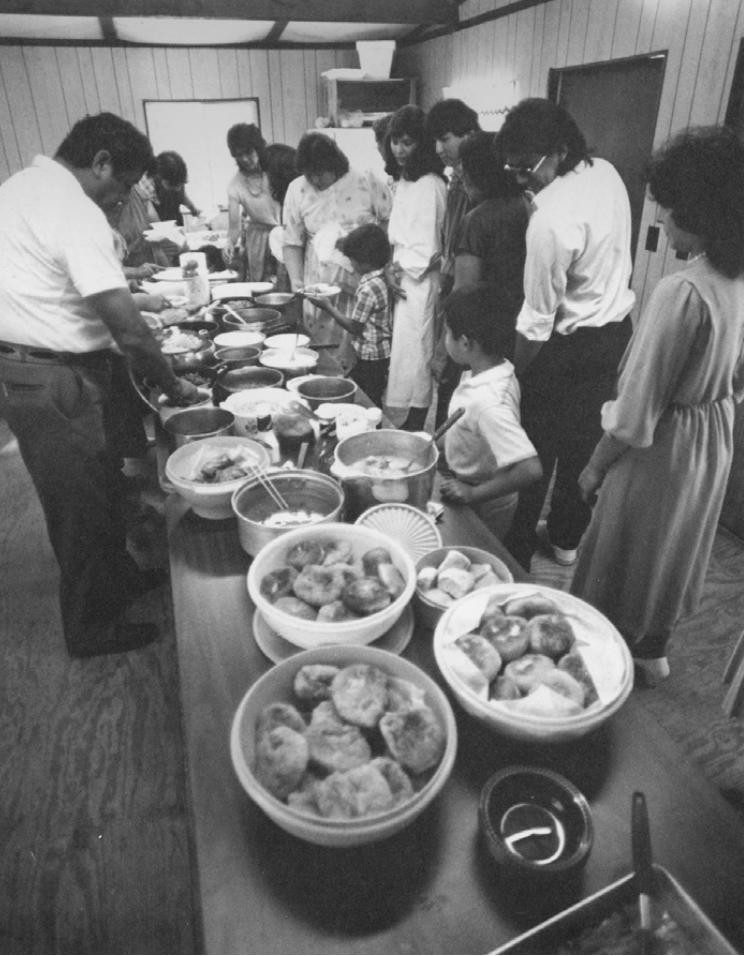
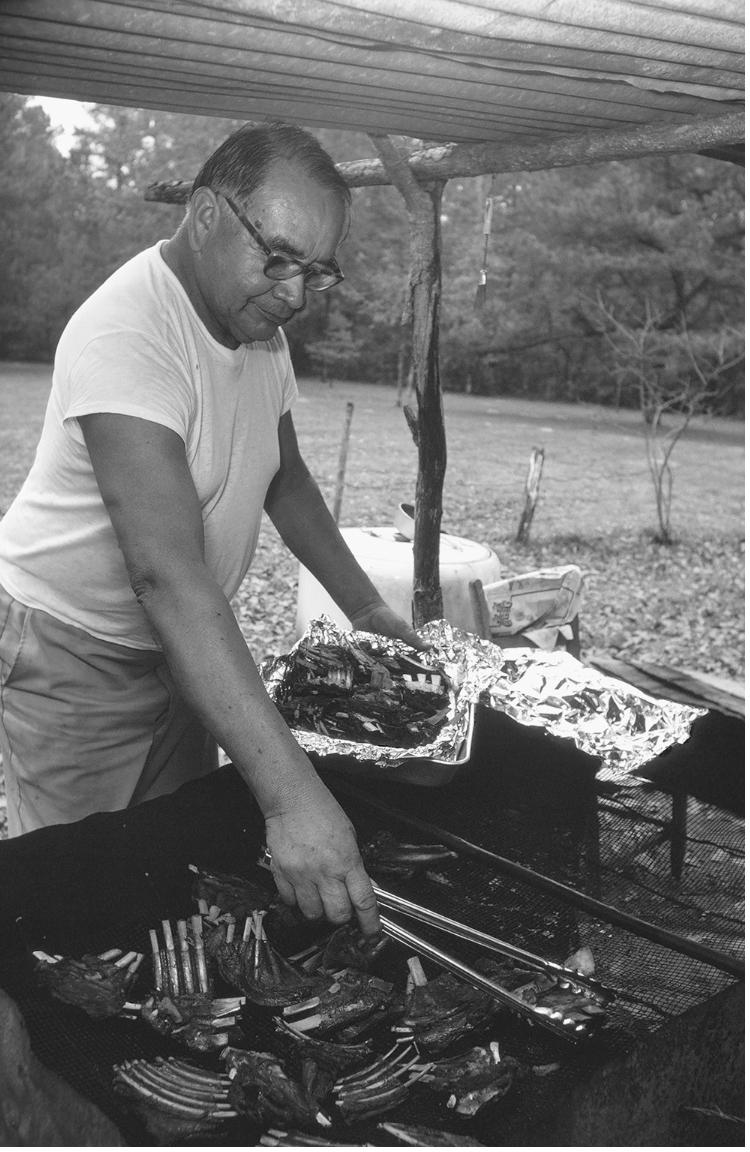
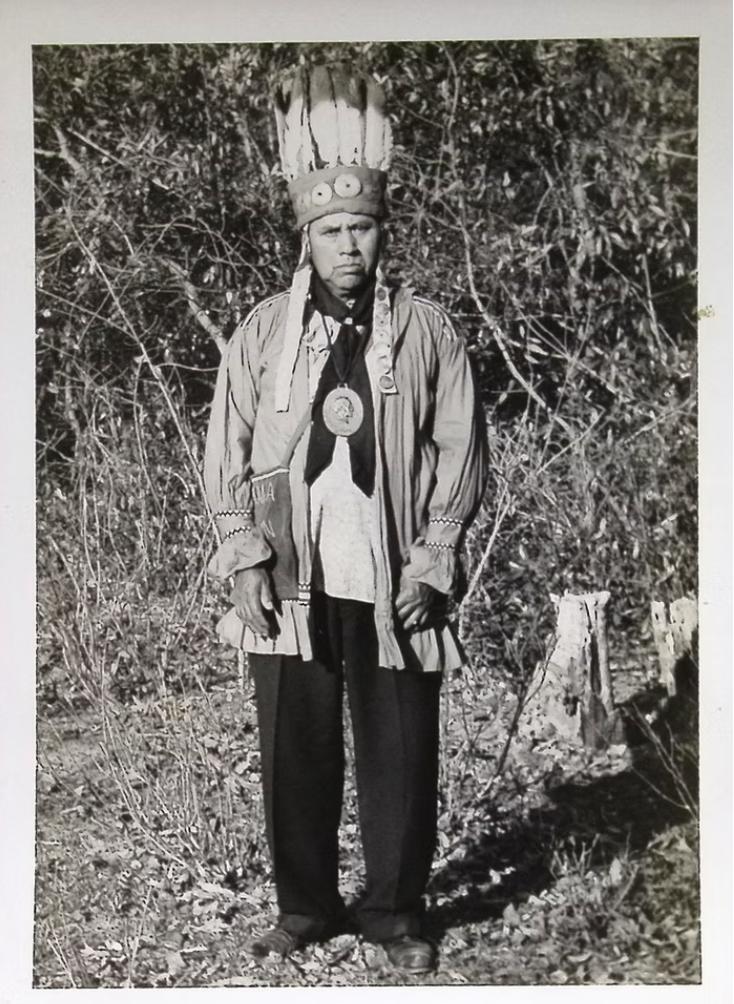
[2] https://www.tshaonline.org/handbook/entries/sylestine-bronson-cooper