The Texas State Penitentiary and Cotton Production in Huntsville, 1860–1929
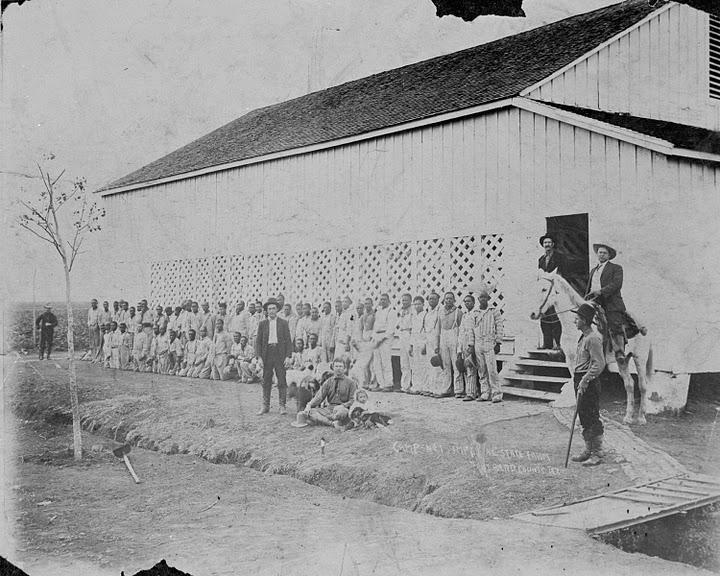
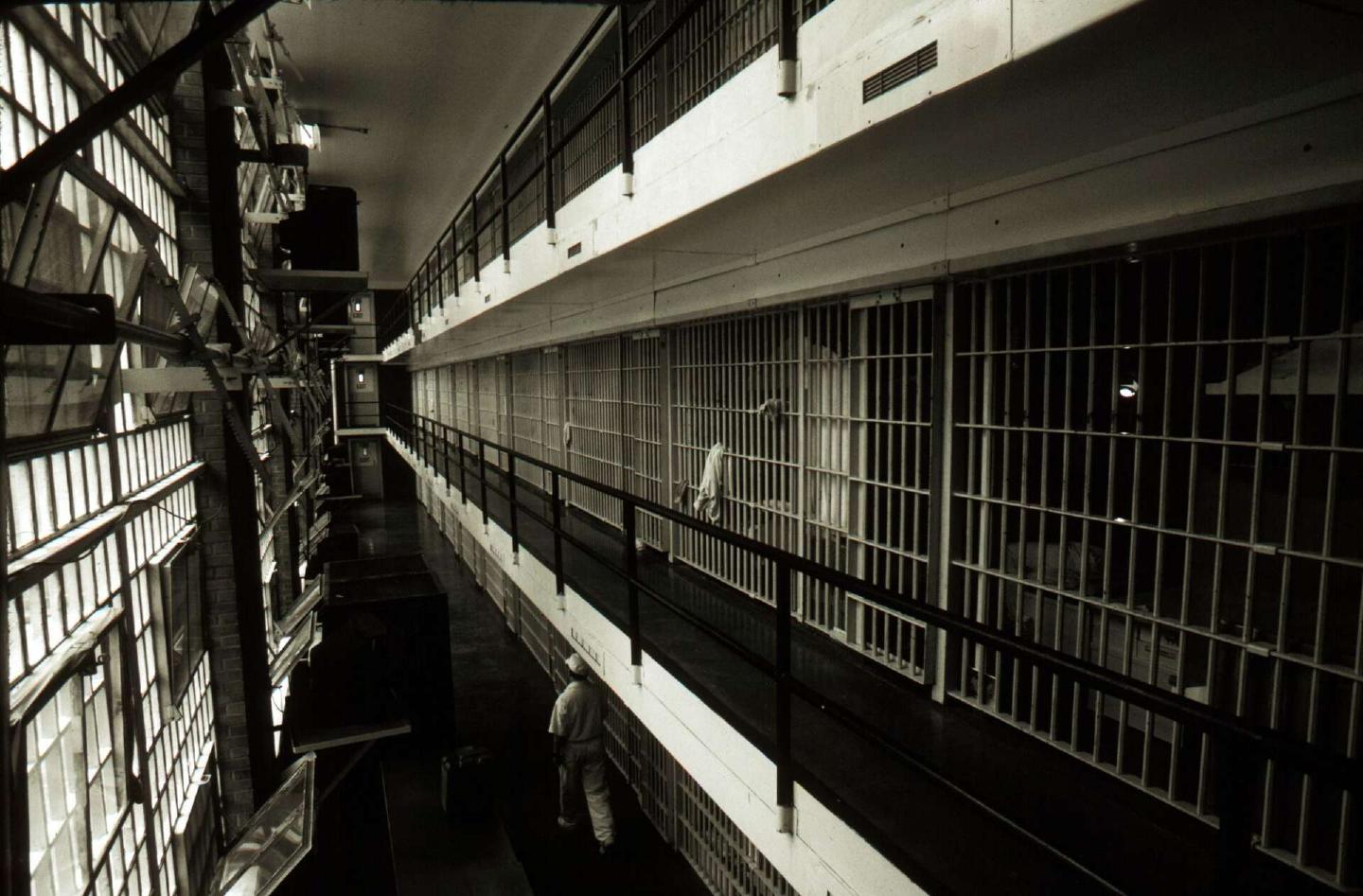
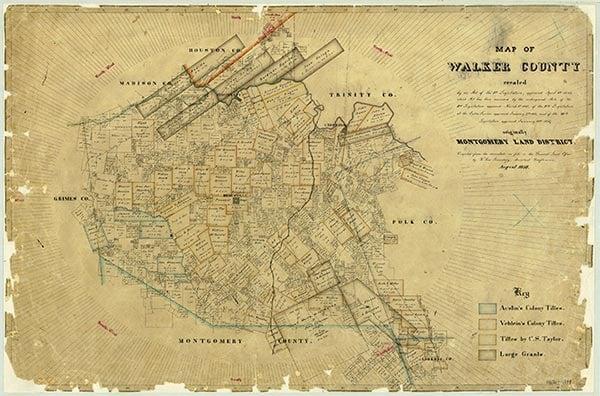
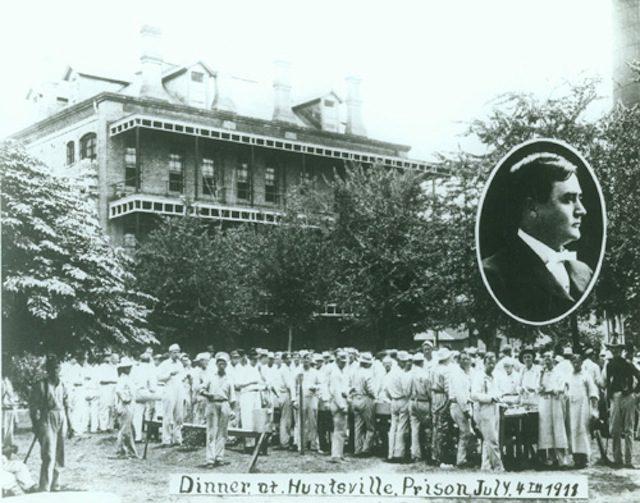
In the decades surrounding the Civil War, the city of Huntsville was well recognized as the home of the Texas State Penitentiary. Founded in 1849, this powerful institution would substantially shape Walker County's social and economic growth. The prison originally operated as a correctional facility, intending to impose discipline on inmates. However, the chaos of the Civil War, Emancipation, and Reconstruction caused local white officials to rely heavily on incarcerated, predominantly African American, labor to maintain prewar levels of agricultural production. Labor shortages caused by military enlistment, combined with the abolition of slavery, threatened to harm cotton output, the crop that defined Texas agriculture. As the new South unfolded, the Texas State Penitentiary transformed into a system referred to as “penology for profit,” converting imprisonment into a profit-making mechanism. Through prison farms and convict leasing, the Texas State Penitentiary became essential to the production of cotton as well as Walker County's overall economic stability. [1]
The outbreak of the Civil War in 1861 created widespread challenges to ordinary Texans, particularly in the agricultural economy that relied chiefly on cotton production. With thousands of men enlisting in Confederate forces, farms and plantations suffered from labor shortages. The Texas State Penitentiary became the solution to this pressing concern and became a crucial source of replacement labor. To support the Confederate war effort, prison officials required prisoners to perform agricultural and industrial labor. The growing reliance on prison labor anticipated the system that would fully emerge after emancipation, when convict labor would become vital to maintaining cotton production in the New South. [2]
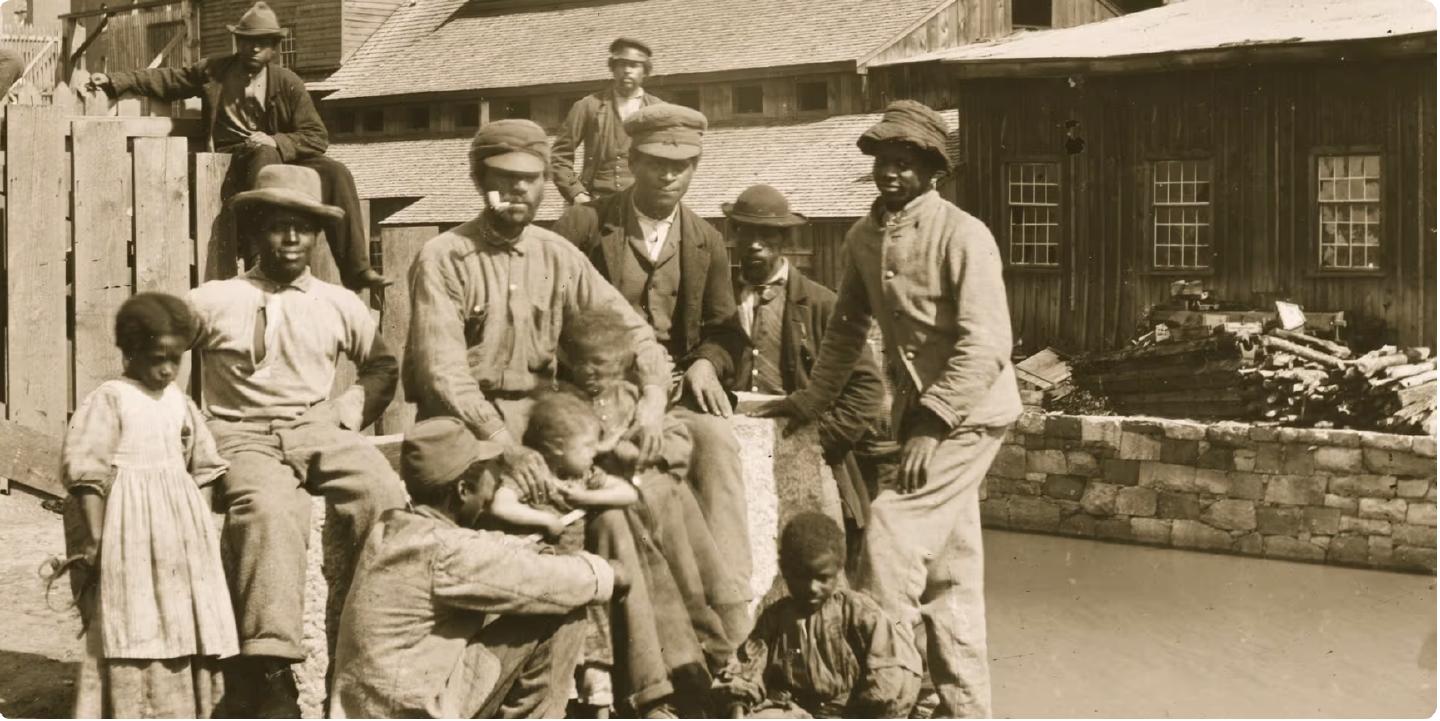
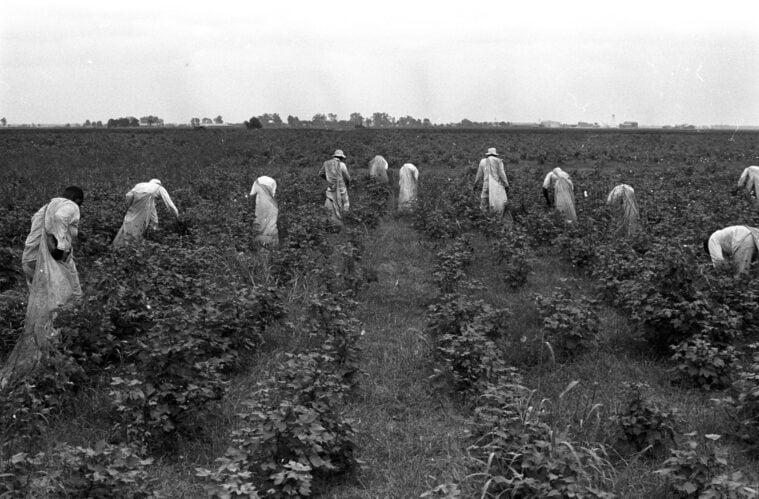
As the Civil War ended in spring 1865, southern political leaders sought to rebuild agricultural production without the labor of enslaved African Americans. One solution that state officials sought was the expansion of convict labor. Under this new system, incarcerated individuals, overwhelmingly African American, were privately leased to businesses and agricultural operations where they would carry out demanding labor for little to no compensation. Despite emancipation and the social changes that came with it, convicts were consistently assigned to work in cotton fields for the survival of the state’s economy during Reconstruction. [Historian's note in Penology for Profit, the reinforcement of racial and social hierarchies that are generated by this system and the Texas State Penitentiary that became deeply integrated in the new labor arrangement.] [3]
As the state stepped into the New South era, convict labor evolved from private leasing arrangements to large prison farms controlled by the state. (5) Inside these agricultural units, incarcerated individuals would work directly under strict prison supervision as cotton production gradually became the primary focus. Inmates cultivated, harvested, and processed cotton that was marketed nationally, making notable income for the state. (5) The expansion of these prison farms reflected the state's broader economic objectives, as officials aimed to preserve agricultural productivity at minimal cost. The Texas State Penitentiary and the city of Huntsville, TX, were rooted in a prison-based economic system that significantly influenced Walker County's development. [4]
The expansion of prison labor at the Texas State Penitentiary had lasting repercussions for the state, as well as sustaining racial and social hierarchies. (6) Through discriminatory laws and police practices, the prison also functioned as a mechanism of social control and was central to the identity of Huntsville. State officials justified the conditions imposed on inmates as necessary for the discipline and rehabilitation of prisoners, although the system very obviously prioritized economic productivity over reform. By the early twentieth century, the Texas State Penitentiary was recognizably one of the most influential establishments shaping the history of Walker County. [5]
Between 1860 and 1929, the Texas State Penitentiary was responsible for the economic survival of Huntsville during the Civil War, Reconstruction, and New South era. State officials found new ways to sustain agricultural production when slavery was abolished, leading to the development of convict labor. What was once a correctional institution evolved into an economically driven system that supported the county financially for years. This system generated state revenue and sustained the local agricultural production, making the city of Huntsville inseparable from the prison system and the economic influence it had. [6]
Images