The Death and Legacy of General Sam Houston
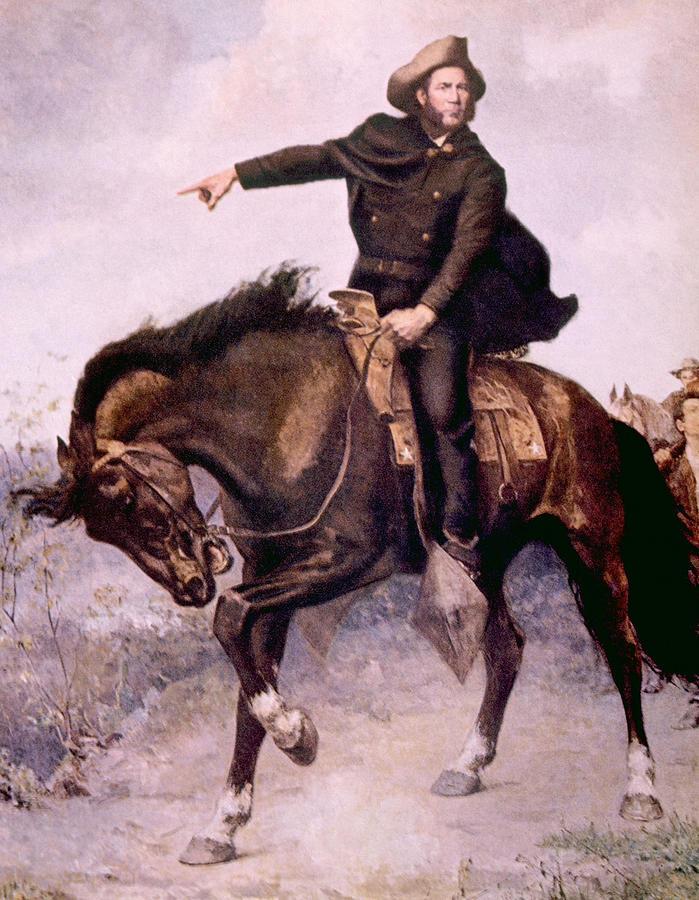
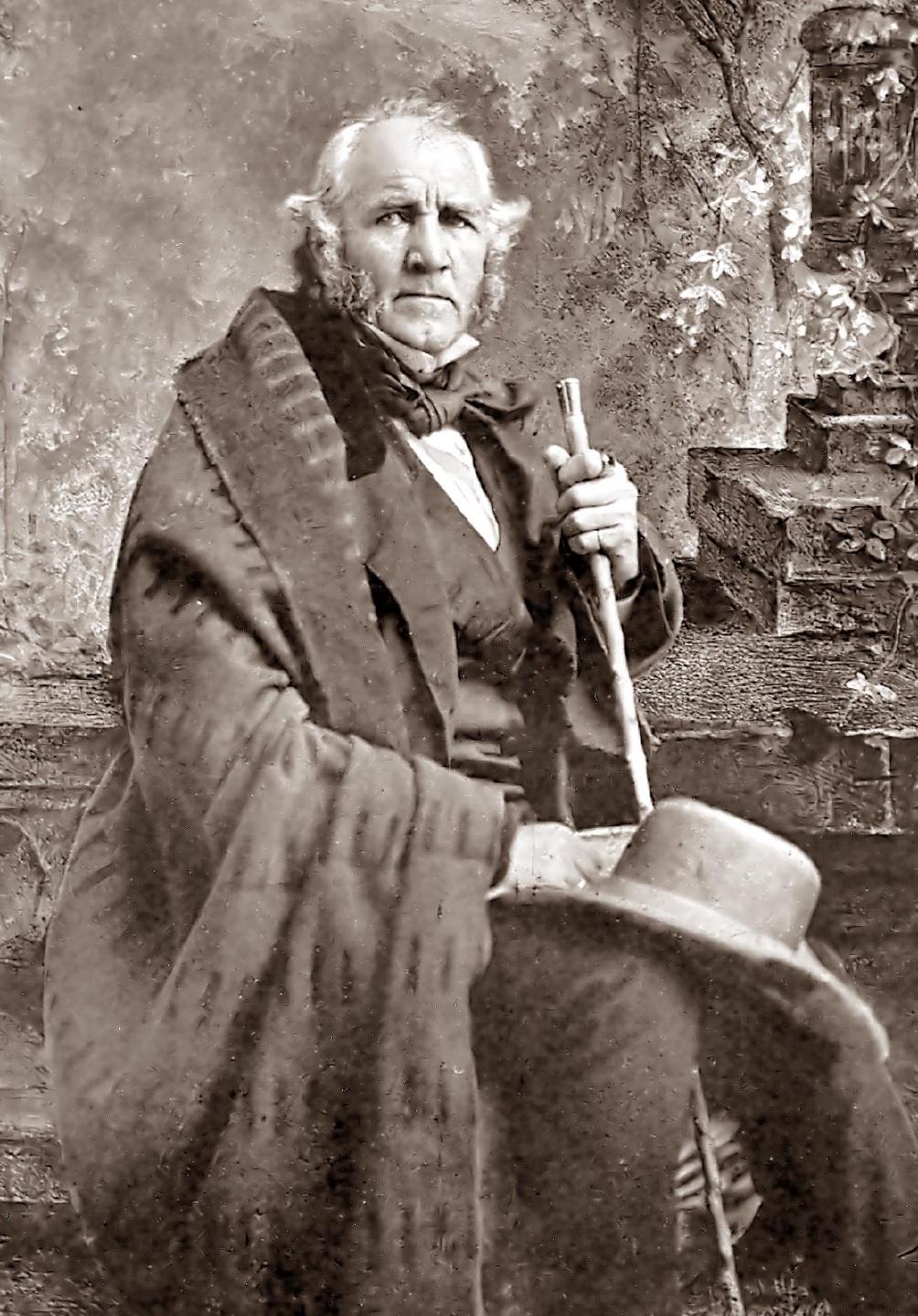
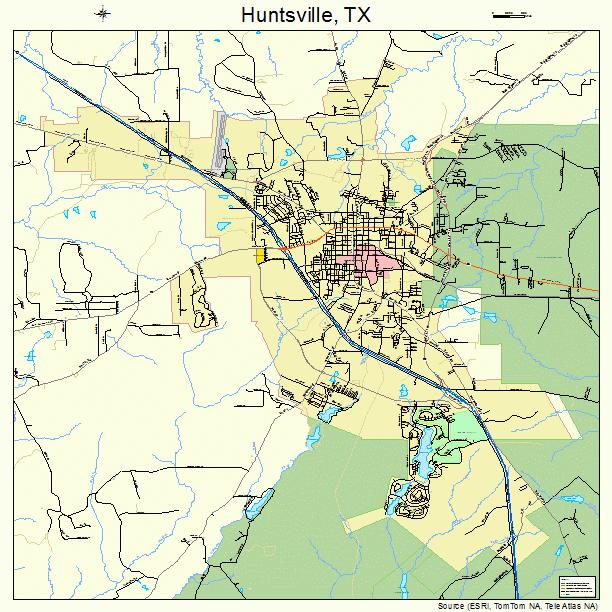
Sam Houston was one of the most important leaders in Texas history. As the commander of the Texan army during the Texas Revolution, President of the Republic of Texas, U.S. Senator, and Texas Governor, Houston played a major role in shaping the region's early development. His death in 1863 marked the passing of a central figure in Texas politics and military history. Although Houston had once been one of the most powerful men in Texas, his final days were spent quietly at his home in Huntsville.
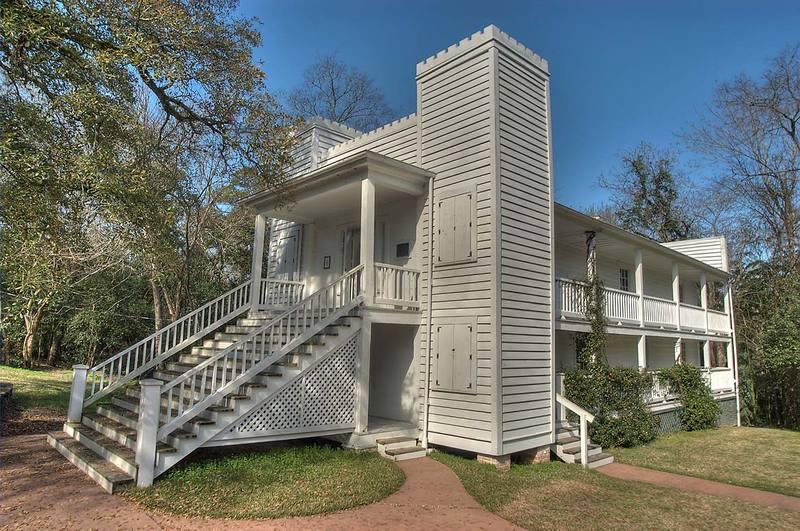
In the years leading up to his death, Houston had stepped away from public office after a major political conflict. In 1861, Texas voted to leave the United States and join the Confederacy. Houston, who was governor at the time, strongly opposed secession because he believed it would harm the state and the nation. When he refused to swear loyalty to the Confederate government, he was removed from office. After leaving politics, Houston returned to Huntsville and lived with his family in the house known as the Steamboat House, an elongated, two-story house superficially resembling a steamboat, where he would spend the last years of his life (Texas State Library and Archives Commission).
During summer 1863, Houston became seriously ill. According to historical accounts, his health had been declining for several weeks before his death. He suffered from a severe illness that eventually developed into pneumonia, a disease that was often fatal in the nineteenth century due to the lack of effective medical treatments. Houston’s condition gradually worsened while he remained at home with his family in Huntsville.
On July 26, 1863, Sam Houston died at the age of seventy. Newspapers quickly reported the news across Texas. One obituary published shortly after his death expressed deep sadness. It recognized Houston’s importance to the state, stating that his death brought “deep and heartfelt sorrow” to the people of Texas (TexasBob). The obituary also emphasized his long career as a soldier and statesman, reminding readers that Houston had served the public for many years.
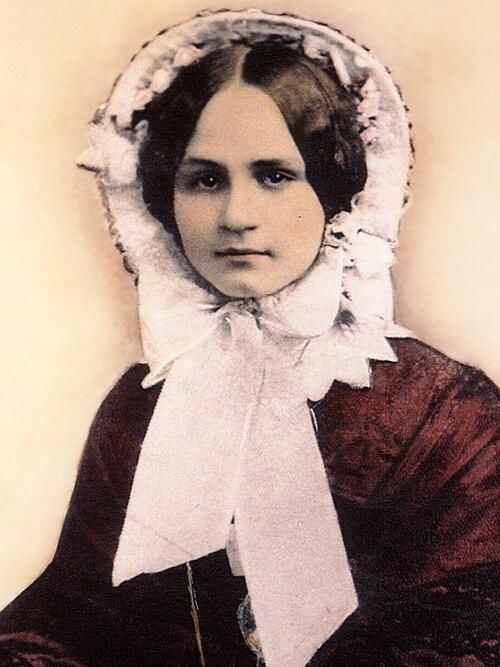
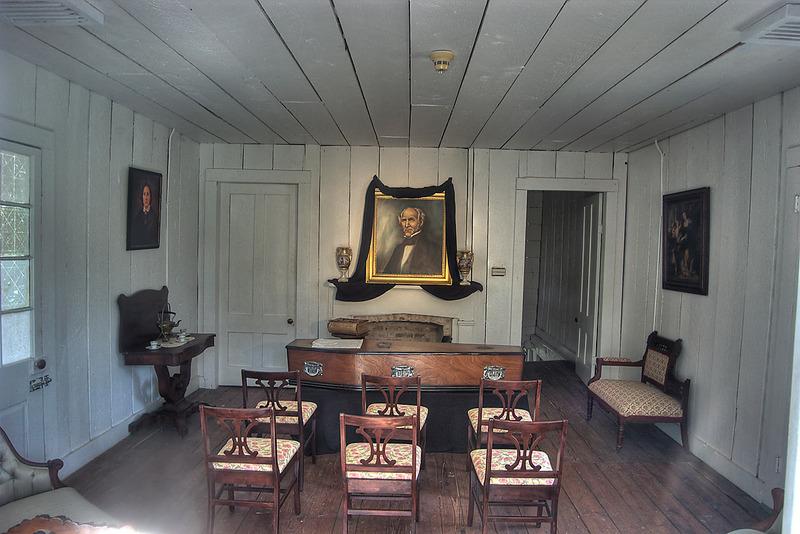
Houston’s family was present during his final moments. Contemporary accounts describe a quiet, emotional scene at the Steamboat House. According to historical accounts, his wife Margaret was at his bedside as he passed away. Some stories claim that Houston’s final words were spoken to his wife and referred to Texas, showing how deeply connected he felt to the state (Texas State Library and Archives Commission).
Following his death, mourners buried Houston in Huntsville’s Oakwood Cemetery. Because the Civil War was still ongoing, the funeral was smaller than might be expected for such a famous leader. However, the significance of his life and contributions was widely recognized across the state. Many Texans viewed his death as the loss of a leader who had guided Texas through some of its most important early moments.
The legacy of Sam Houston did not end with his death. His leadership during the Texas Revolution, particularly at the Battle of San Jacinto, secured Texas's independence from Mexico. Later, as president of the Republic of Texas and as governor of the state, Houston helped shape Texas's political future. Today, his memory is preserved through historical sites, monuments, and institutions such as Sam Houston State University in Huntsville.
Although Sam Houston died quietly in his home, his influence on Texas history remains significant. The reports of his death and the tributes written afterward show how deeply Texans respected him and how important his leadership had been to the state’s development.
Images