Juanita Craft and the NAACP
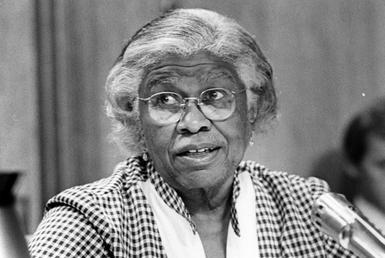
Juanita Craft is a name that should be remembered and honored with other civil rights heroes such as Rosa Parks and Thurgood Marshall. Craft played a vital role in the civil rights movement in Dallas, Texas, working tirelessly to bring an end to discriminatory practices and segregation. She is remembered as the first Black woman to vote in the Democratic Party primary in Dallas County, as well as the first Black woman deputized in the state to collect the poll tax. However her commitment to the young Black community of Dallas was her primary passion.
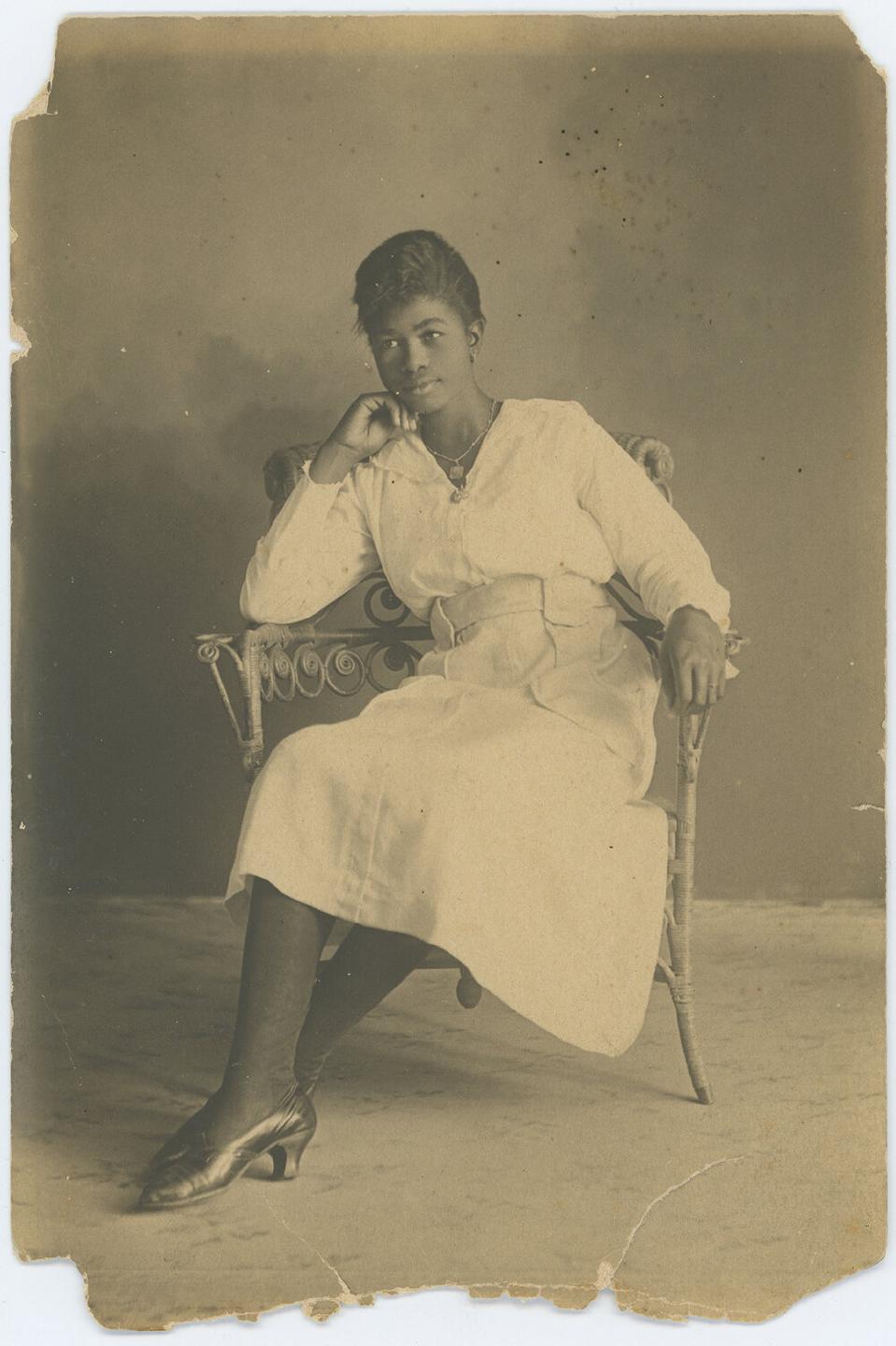
Juanita Jewel Shanks was born in Round Rock, Texas in 1902. As the granddaughter of formerly enslaved people, Craft grew up with a keen understanding of the social inequities she faced. Her father was an educator and Craft was raised with an appreciation for education and the opportunities education can afford. However, Craft also saw the realities of segregation in her own educational experiences: “There was always a great big school over here for the white students, and over there just a little shack of three rooms or four rooms. I think at Columbus there were about ten rooms. I think at Rockdale there were ten or twelve rooms. But regardless of where a [Black] child lived, he had to come way across [town] to that one school.”
After high school Craft attended Prairie View Normal and Industrial School where she graduated with a certificate in dressmaking in 1921. Craft relocated to Dallas in 1925 and began working at the Adolphus Hotel. Her position at the Adolphus gave her insight into the highest ranks of White society in Dallas; she attended to elite guests from throughout the state as well as international dignitaries like Eleanor Roosevelt and celebrities such as Charles Lindbergh. Yet Craft herself was subject to the Jim Crow discriminatory customs and laws of the day.
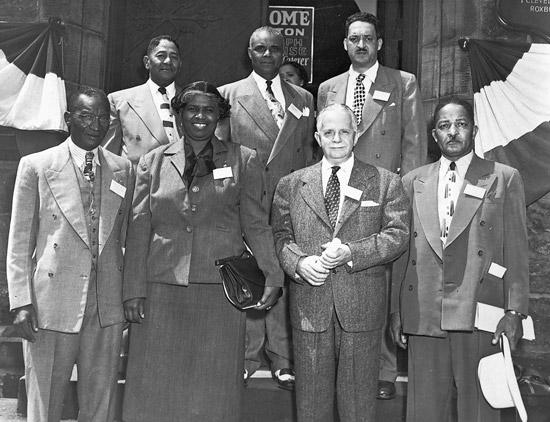
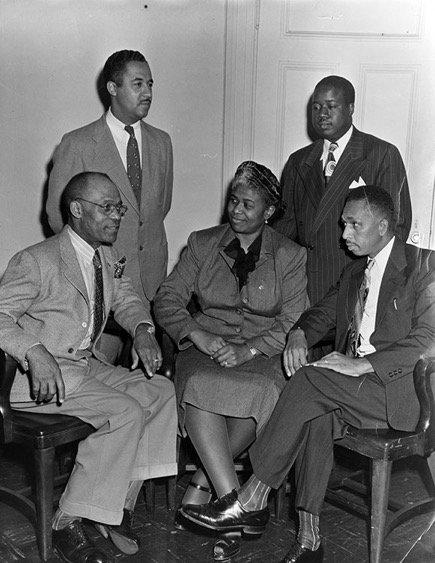
In 1935, Craft joined the National Association for the Advancement of Colored People (NAACP). Over the next decade she became increasingly involved and was appointed as the Membership Chairman of the Dallas Branch, leading a membership campaign which brought total membership to 7,000 by 1946. Soon Craft was appointed as State Organizer for the Texas branches of the NAACP. In this position she worked to raise money, lead meetings, and organize new chapters. By 1958 Craft helped to organize 182 branches of the NAACP across the state. In an interview with Michael Gillette, Craft recalled her travels across the state: “I'd like to say that this is when I became a real Texan because having gone from Pampa up in the Panhandle on down to El Paso from that direction. . . .But I found again my desire was building higher when I got into Dickens County and saw Negro children picking cotton and white children being bussed to school. . . .Your child needs to get a job picking cotton while the other children are getting an education. So these are the things that kept me alive, kept me determined to be a part of whatever force that we could use to destroy that kind of system.”
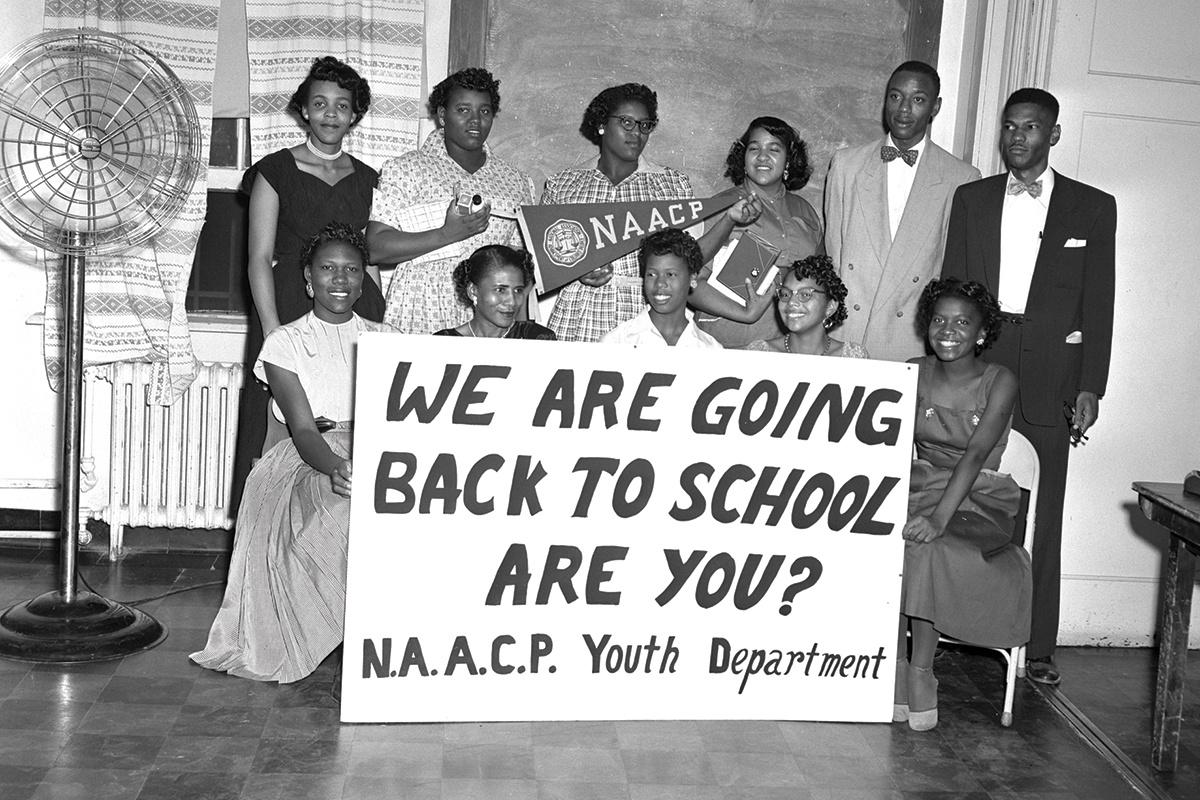
Craft funneled that determination into the Dallas Youth Council. Youth Councils of the NAACP were designed for both students and non-students between the ages of 12 and 21. Craft provided education and training to these students in the hope that they would become future members of the NAACP. Her dedication to the young Black community of Dallas is legendary. In addition to organizing and supervising student trips all across the nation, she helped students make history on more than one occasion as they initiated protests against segregation.
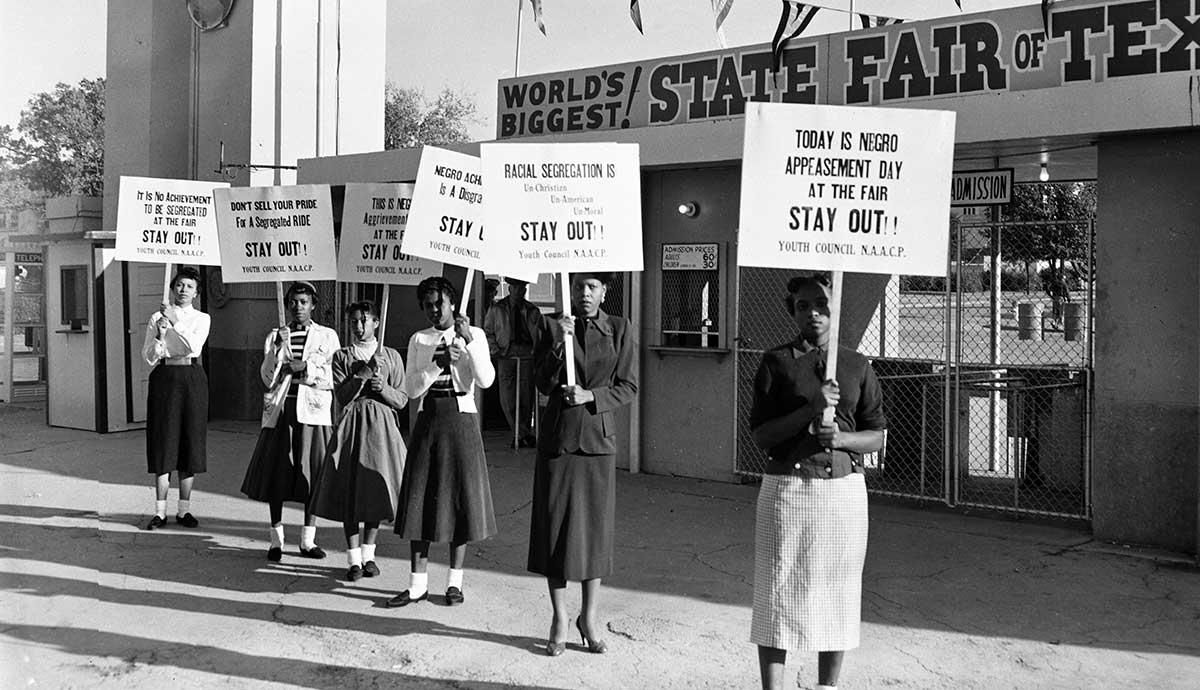
In the mid 1950s Craft and the youth council set their sights on the Texas State Fair. A tradition dating back to the 1880s dictated that one single day was set aside specifically for Black Texans to attend the fair. By the 1950s Black fair-goers could technically enter on any day, but could only fully enjoy the fair experience on the so-called “Negro Achievement Day.” Fair officials made claims that the fair did not discriminate in any way, so Craft and her youth council members decided to put that claim to the test. Members attended the fair in its opening week and found consistent examples of discrimination; on multiple occasions the council members were turned away, denied service, treated with disrespect, or told to ‘come back on Negro Achievement Day.’
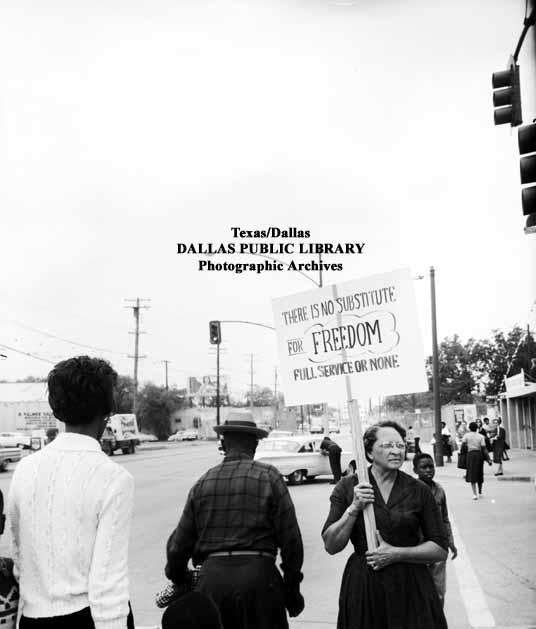
The council immediately developed a plan to picket the State Fair on the planned Negro Achievement Day. Craft and her students were at the fairgrounds by seven in the morning holding signs with slogans such as, “Don’t Sell Your Pride for a Segregated Ride - Stay Out!” The picket line had mixed results; many Black Texans who had traveled from out of town crossed the picket line in order to attend the fair. Nevertheless, Craft and the youth council drew publicity to their cause and they are remembered as the first major direct action protest involving Black youth in Dallas. Their efforts also earned the national title of Most Outstanding Youth Council from the NAACP in 1956.
For the next decade Craft continued to organize youth protests at lunch counters, department stores, and movie theaters. Dallas landmarks such as H.L. Green, Neiman Marcus, and the Majestic Theater were all targets. She helped students stage countless peaceful demonstrations designed to both disrupt business at these segregated institutions and direct media attention and pressure on the continued practice of segregation throughout Dallas.
After the practice of formal segregation came to an end, Craft began to focus on education in order to support Black youth in the Dallas area. Most notably, she received the Linz Award in 1968 for her efforts to expose fraudulent trade schools that were operating in Dallas. These schools attracted students with false promises of opportunity. Craft directly assisted students who became stranded in Dallas without proper housing, education, or job opportunities. After bringing attention to this practice, her involvement led to the passage of local, state, and federal regulations of trade schools. Craft’s life of public service continued well into her seventies when she ran for a seat on the Dallas City Council. She served two terms as a council member, continuing to focus on improving the lives of minorities.
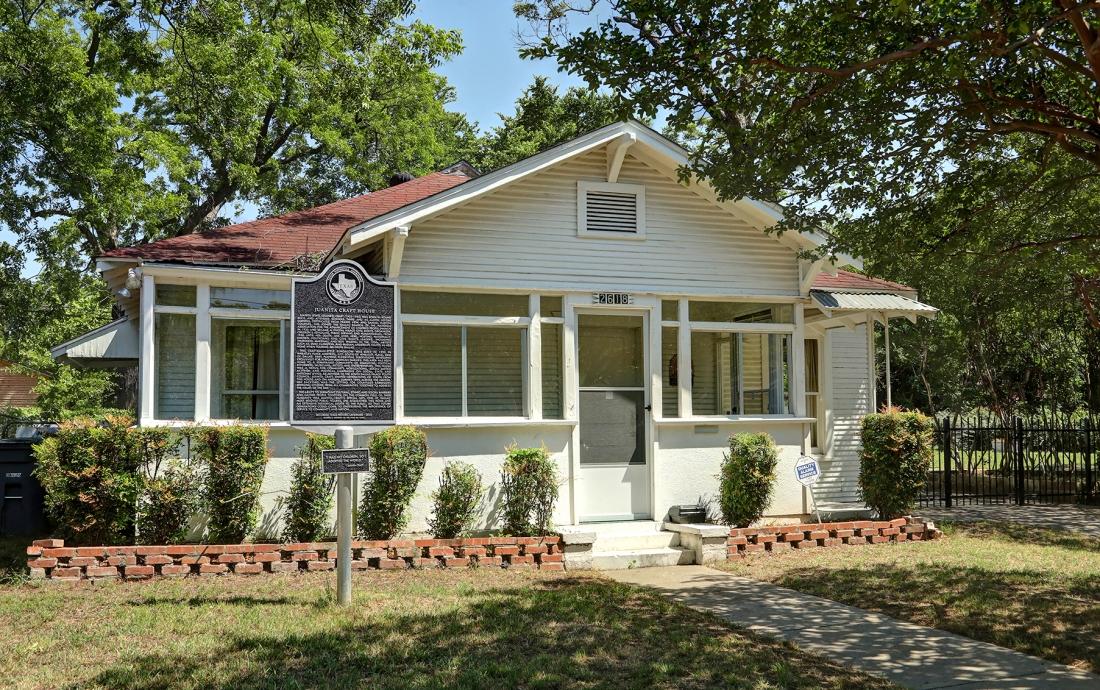
Craft once said, “If we want to know who we are, what we have accomplished, then just look at the children.” While she had no biological children of her own, her years of commitment to children and young adults left an immeasurable legacy. Craft died on August 6, 1985. Her home at 2618 Warren Avenue in Dallas became a Dallas Landmark in 1999 and is listed on the National Register of Historic Places. It also operates as the Juanita Craft Civil Rights House Museum.
Images
https://catalog.dallaslibrary.org/polaris/search/title.aspx?ctx=1.1033.0.0.6&pos=3&cn=931546
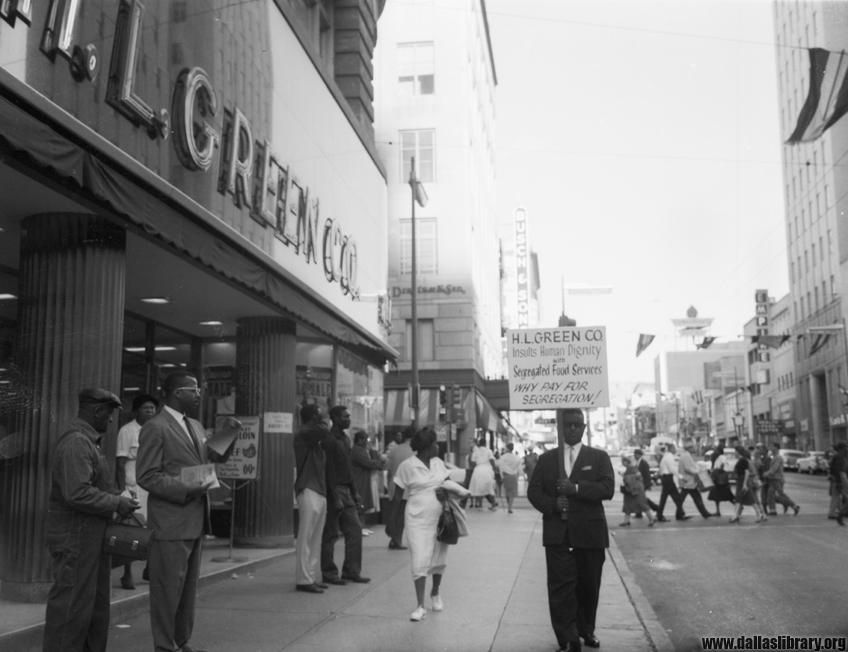
https://catalog.dallaslibrary.org/polaris/search/title.aspx?ctx=1.1033.0.0.6&pos=2&cn=928639 Date: 1960

Date: January 1967