Henry C. Pritchett
Dr. Harry Fishburne Estill was the 5th president of the Sam Houston State Teacher’s College (SHSTC) and was the longest serving president in the school’s history. As president, his contributions made a lasting impact on the growth of SHSTC, As an individual, he earned a well-respected place in the hearts of family, colleagues, students, and alumni. [1]
Harry F. Estill was born to Charles Patrick and Katherine Fishburne Estill in Lexington, Virginia, on August 12th, 1861. Charles P. Estill served as a captain in the Confederate Army during the Civil War. At the end of the conflict, he found employment as a teacher at Odd Fellows University in Bryan, Texas. In 1880, he graduated valedictorian of the first class of Sam Houston Normal Institute (SHNI). A year later, the elder Estill became a professor of Latin at SHNI. Sadly, this position was not long-lived as he died in 1882. Harry F. Estill inherited his father’s position and, seventeen years later, in 1898, became vice-president of the college. It was during his time as a professor that Estill met Loulie Sharpe Sexton, whom he married in 1892. Estill and Sexton had five children together. [2]
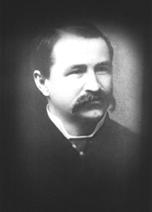
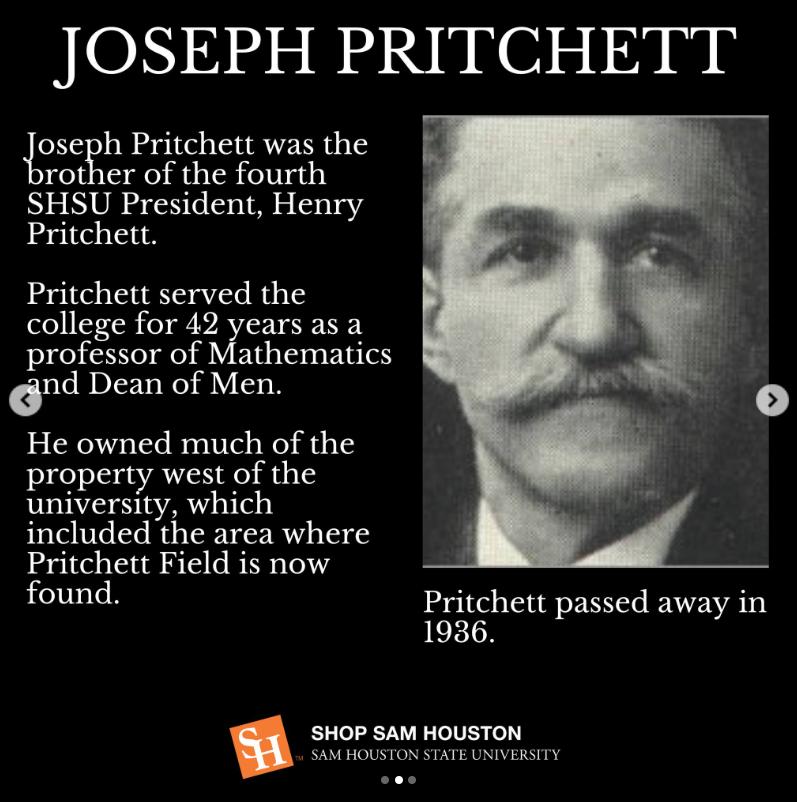
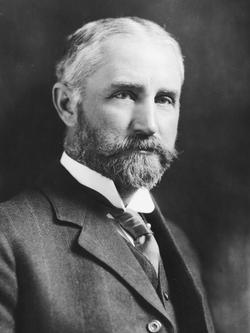
In 1907, since SHNI president Henry Pritchett grew ill, Harry Estill was often tasked with performing his duties before officially succeeding to the position in 1908. As president of SHNI, Estill was strict, modest, and held others to their highest ability. His austerity came from a place of love and care for his student body. When addressing students in the Houstonian, Estill signed off his welcome message to the freshman class of 1934-1935 with “Sincerely, your friend.” He was very concerned with the growth of his students, both academically and spiritually. Daily chapel assemblies were mandatory for students, and during them Estill would often have guest speakers address various subjects related to the students and their eventual roles as teachers throughout the state. [3]
Estill was as concerned with the well-being of his students as he was with the overarching political landscape revolving Texas education. As president of the Texas State Teacher’s Association and vice president of the college teachers' section of the National Education Association, Estill held considerable power and influence among his fellow educators and administrative personnel. In 1934, a fierce battle arose that rallied together not only what was then Sam Houston Teachers’ College, but also the Texas State Teachers Association and nearby colleges such as Agricultural and Mechanical College of Texas and East Texas State Teachers’ College. The Senate Joint Resolution #13 of 1934 proposed an “amendment of Section 3 of Article VIII of the State Constitution providing for the levying and collection of taxes and fixing the maximum amount thereof which can be collected and expended each biennium.” More specifically, it would “base taxation upon the number of inhabitants instead of upon the amount of wealth” and lower state taxes which would in turn increase local taxes. These changes would be disastrous to state schools since as a result, it would “reduce the per capita apportionment for public schools…from… $16.50 to $10 or less.” At the time, Estill was no longer president of the Texas State Teachers’ Association, but in various correspondence, he wrote passionately about the hope for the defeat of this amendment. News about SJR #13 was also featured in the Houstonian newspaper, where Estill wrote frequent editorials encouraging local citizens, students, and educators to vote against the amendment. On November 6th, 1934, the efforts of Estill, his colleagues, and the state of Texas came to fruition. Out of a total of 335,120 votes, an overwhelming 80% of voters opposed the bill, and it was successfully defeated. [4]
Estill’s magnitude of accomplishments as president were vast. In his early years as president, SHNI had an average student body of 500 and around 18 faculty members. Estill had new buildings constructed, expanded the curriculum, and hired more professors. These efforts culminated in 1918 when Estill oversaw the change of SHNI from a two-year institution into a 4-year teacher’s college that was renamed Sam Houston State Teacher’s College in 1923. Estill was awarded the position of president emeritus in 1937 and chose to remain at SHSTC as a history professor. The SHSTC that Estill bequeathed to the next president had grown to host a student body of approximately 1,800 and 75 faculty members, and it was famed for producing quality teachers with strong moral characters in the state of Texas. [5]
Estill was very well loved by the SHSTC student body, and this love lasted long after their graduation. Two particular instances illustrate the efforts of alumni to give thanks to Estill and preserve his legacy. In 1927, Estill was presented with a Studebaker President Sudan in celebration of his 35 years at SHSTC. William Z. Hayes, a member of the Board of Regents at SHSTC, contacted alumni who together pooled enough funds to purchase the automobile. In 1942, plans to erect a bronze bust of Estill were made. Although delayed by the Second World War, supporters of Estill revived the project in 1947, and the Harry Fishburne Estill Memorial Committee set to work on contacting as many alumni as possible to complete the project. Finally, on November 11th, 1950, university leaders erected the bronze bust of Estill sculpted by Pompeo Coppini at Old Main in honor of Estill’s many contributions to SHSTC. [6]
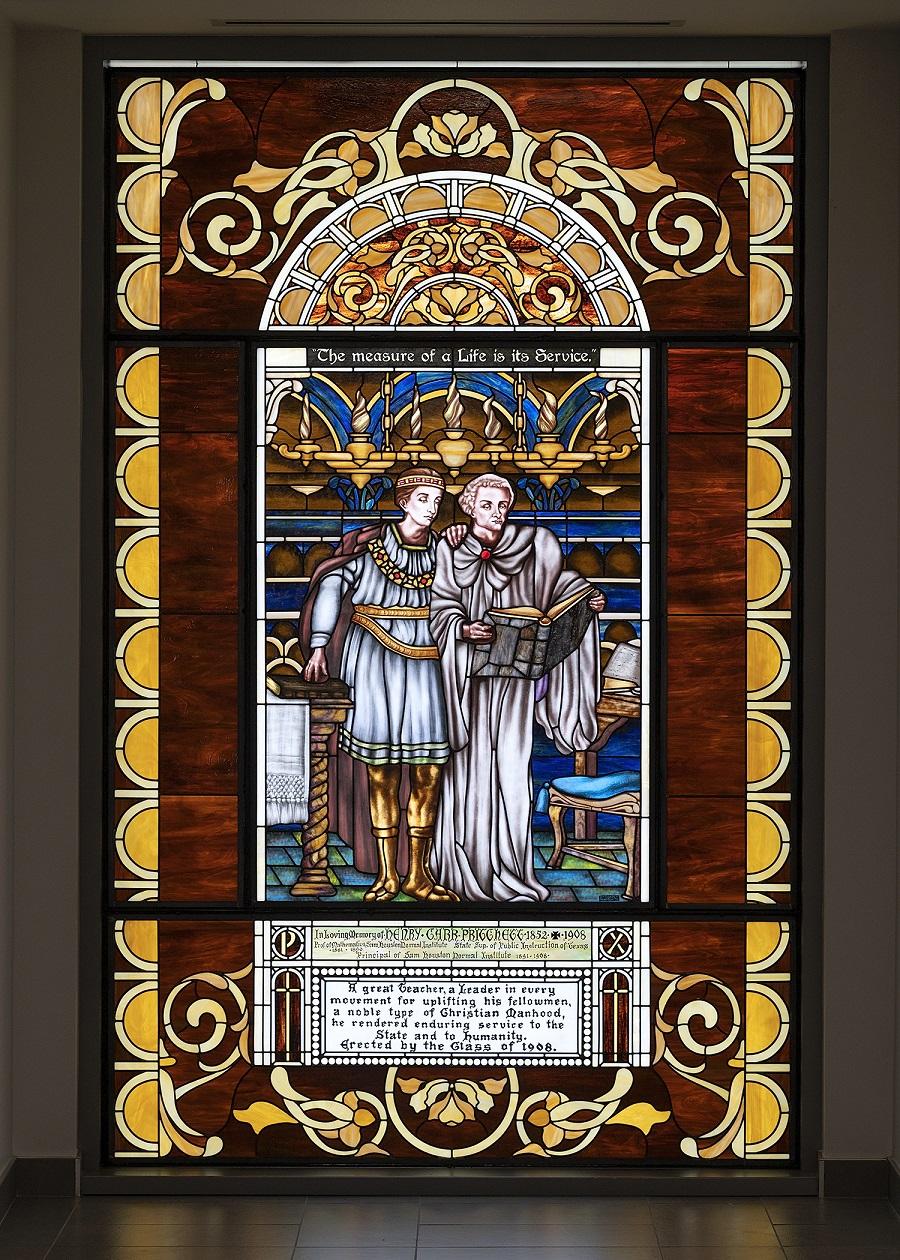
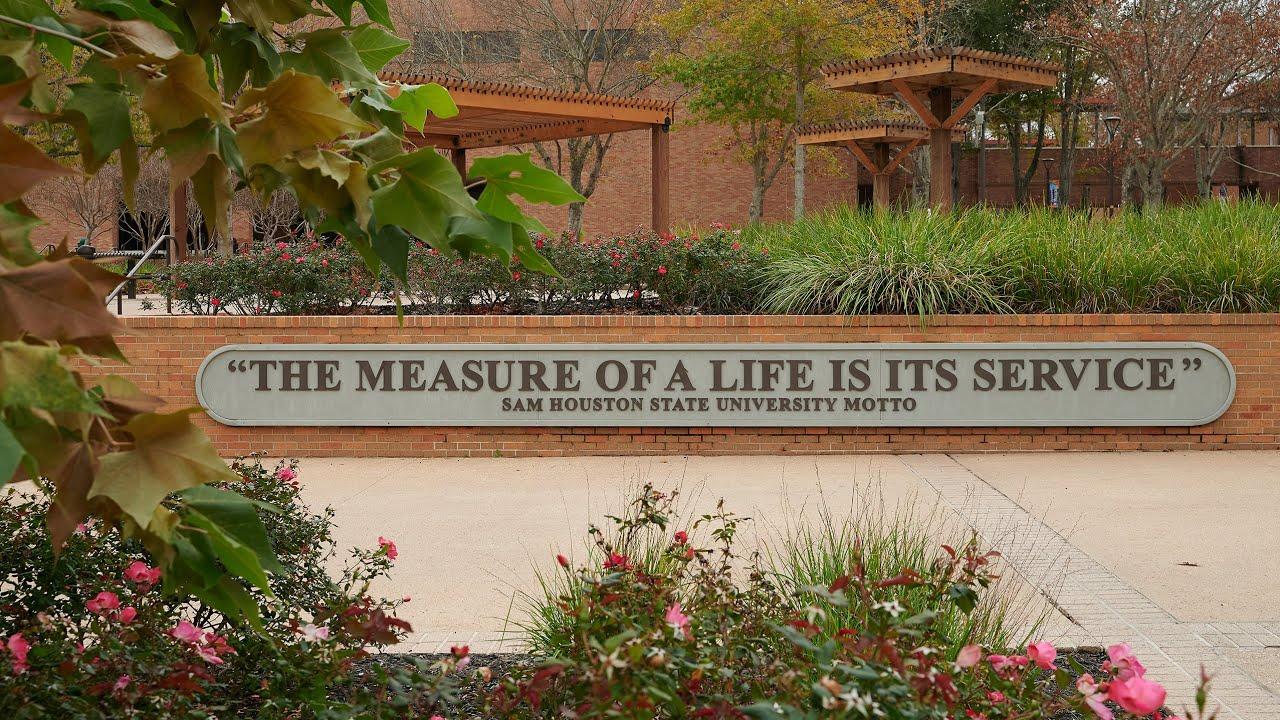
Estill died in 1942 and was buried with his wife in the Oakwood Cemetery in Huntsville, Texas. He had a lasting impact on the students and staff of SHSTC and on the institution's growth, truly embodying the words: “the measure of a life is its service.” [7]
Images