Huntsville During the Civil War and Reconstruction (1860-1877)
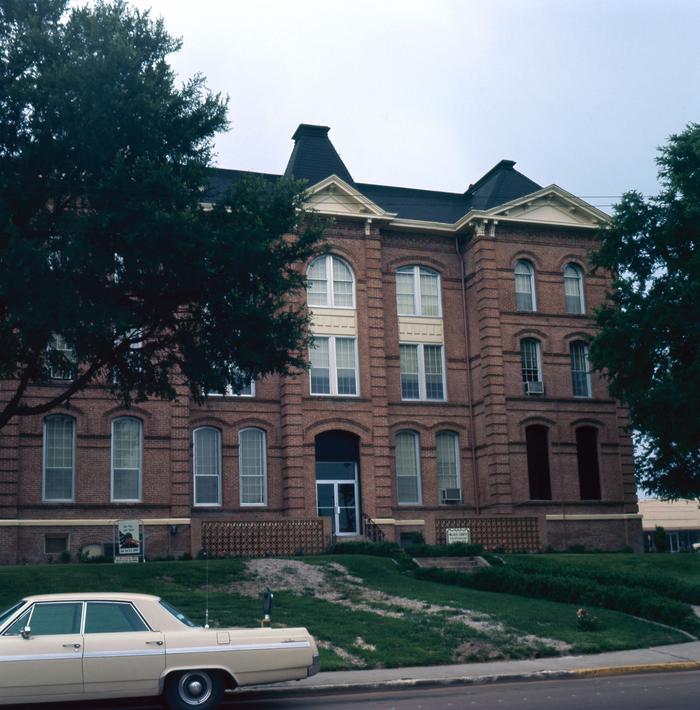
Huntsville, Texas, underwent many changes between 1860 and 1877. Like many other towns in the South, Huntsville endured the political and social chaos of the Civil War and the difficult transition to Reconstruction. The war had a big effect on Huntsville's economy, institutions, and daily life, even though there were no major battles there. The end of slavery and the start of Reconstruction policies changed the community in ways that would last for a long time. [1]
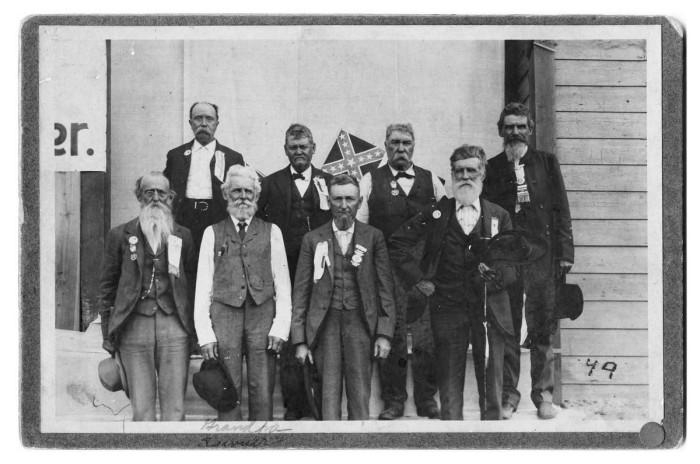
Huntsville was a small but well-known town in East Texas when the Civil War started. Agriculture, including cotton farming, represented a big part of the local economy, and enslaved people did much of that work. When Texas joined the Confederacy in 1861, large numbers of men across Walker County signed up to fight for the South. When they left, many of the main farm and family workers were gone, which made things harder for the local economy and everyday life in the community. Even though Huntsville was far from the front lines, residents were still affected by shortages of goods and rising prices as the war dragged on. [2]
Even though Huntsville wasn't close to any major battlefields, the war still had a significant impact on people's lives. Families worried about their loved ones in the Confederate army, and many families had trouble getting by on limited resources. Local government and community leaders also supported the Confederate war effort by gathering supplies and encouraging people to enlist. These actions showed the depth of loyalty many white southerners felt towards the Confederacy during the war. [3]
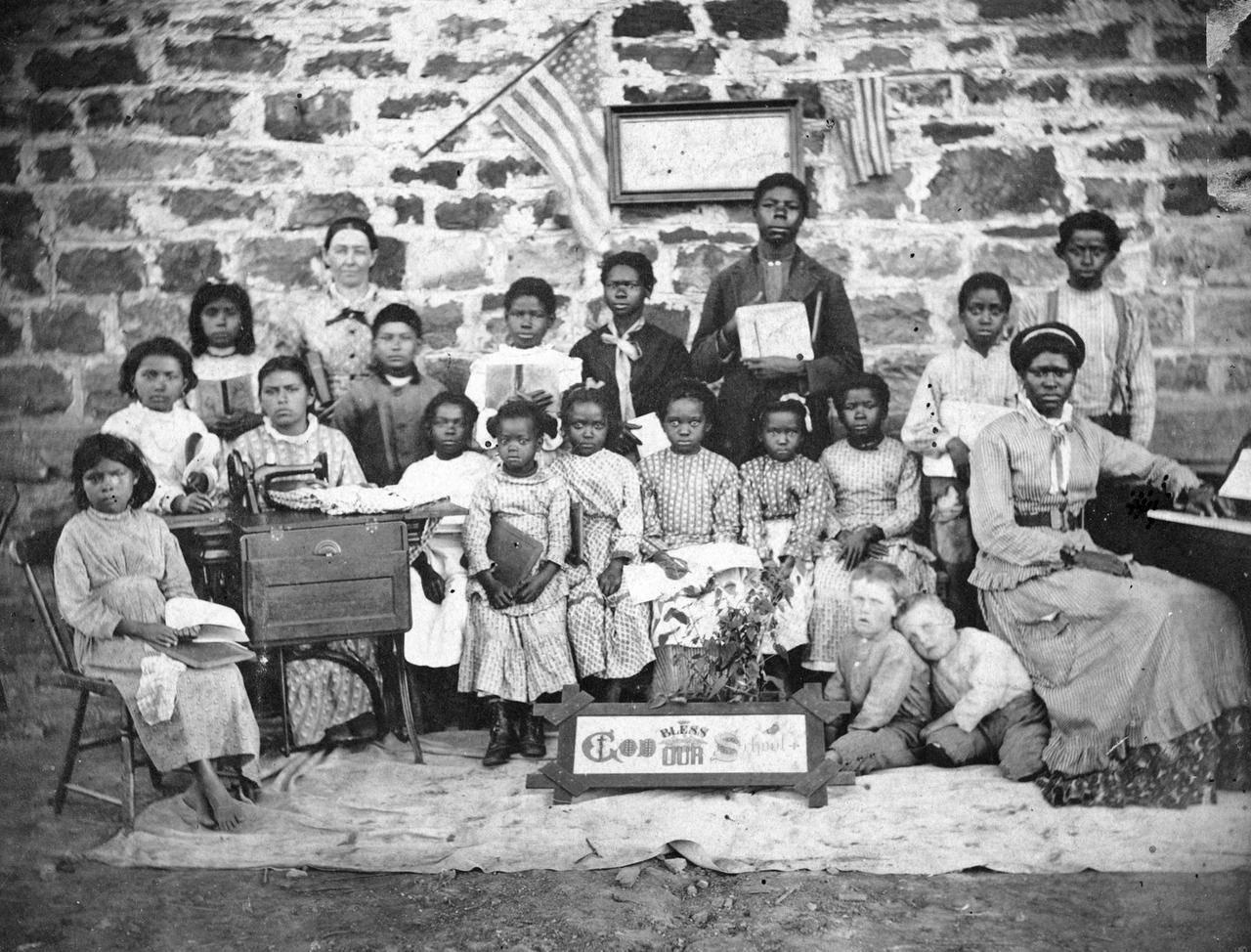
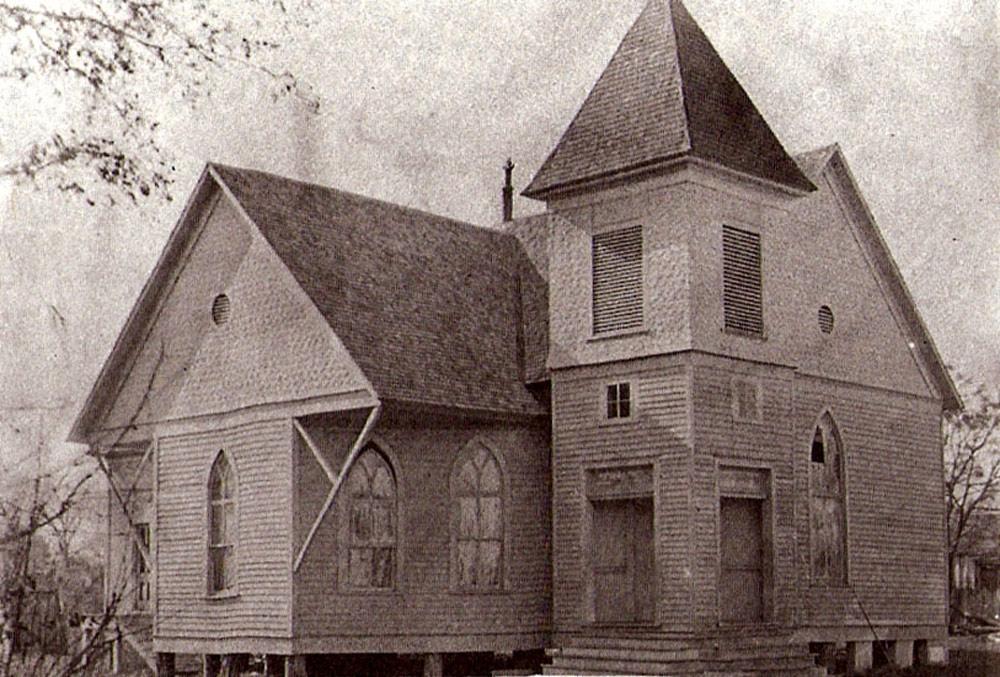
Huntsville underwent a major change after the Civil War ended in 1865. The end of slavery changed the way local economies and societies operated in significant ways. Freed people began building their own lives and those of their families. Many freed people built new churches, schools, and communities in and around Huntsville. During the Reconstruction period, these places became important places for learning, faith, and community leadership. [4]
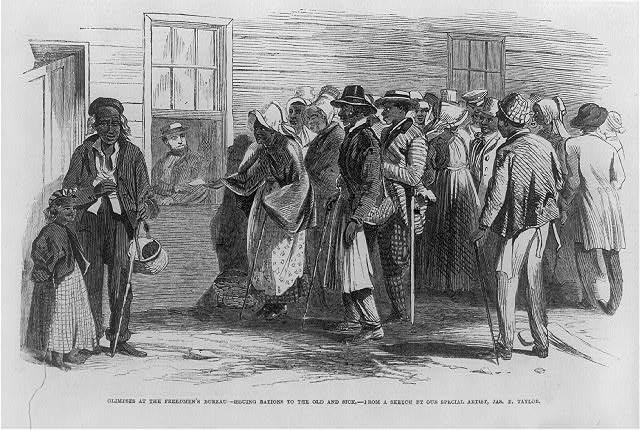
The Freedmen's Bureau also helped people transition from slavery to freedom. Bureau officials helped ensure that freed people and former slaveholders complied with the terms of their labor agreements. They also worked to give newly freed African Americans more opportunities to attend school. Freedmen's Bureau schools helped blacks in Huntsville and other East Texas towns learn to read and write. Even though these changes opened new doors, it was often hard to rebuild society after the war, and some southerners didn't want to. [5]
Reconstruction also changed the politics in Huntsville. When Texas returned to the United States, new laws and changes to the Constitution altered how local government operated and how people could participate in politics. During this time, African American men could vote and take part in politics for a brief time. These changes upset the old power structures and caused problems in many Southern communities, including Huntsville. The goal of Reconstruction policies was to make society more equal, but the change was hard and often fought over. [6]
The Huntsville economy after the war also faced many problems. Plantation owners and farmers had to change how they hired workers when they couldn't use enslaved people. Sharecropping and wage labor arrangements became popular among landowners. These arrangements let formerly enslaved people and poor white farmers work the land in exchange for a share of the crop. This system helped get farming back on its feet, but it often kept workers stuck in cycles of debt and poverty. Even so, Huntsville's economy slowly improved as people grew accustomed to these new conditions. [7]
During Reconstruction, religion and education became increasingly important. Churches were still important places for both white and African American people to spend time together. During this time, schools also grew, helping Huntsville become known as a center of education in Texas. After the war, these places helped restore a sense of community stability. [8]
Huntsville had changed a lot by the end of Reconstruction in 1877. The town had gone from being part of a Confederate society that enslaved people to a community that was getting used to freedom, new political systems, and changes in the economy. There were still many problems to solve, but the Civil War and Reconstruction changed Huntsville's social and political landscape forever. Looking back on this time helps us see how events in the country affected local communities and how towns like Huntsville changed during one of the hardest times in American history.
Images