The Walker County Rebellion
In 1870, both political leaders and ordinary people in Walker County, Texas, faced difficult times. On June 19, 1865, U.S. Major General Gordon Granger declared that enslaved people were now free. However, many Anglo Americans had still not accepted African Americans as equals, and racial prejudices remained high. [1]
During this reconstruction period, the State Police and the military had a strong presence across most of Texas, and anarchy prevailed throughout the state. Political power shifted between the Republican and Democratic parties, but the Radical Republicans dominated Walker County for most of the decade. [2]
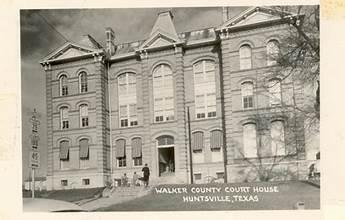
Sam Jenkins, an African American man living in Walker County, was a freedman. In 1870, Jenkins testified in an assault case against several white citizens. Unfortunately, he paid the price for his bravery with his own life, and his body was found only a few days later, just outside of Huntsville. State Police Captain Leander H. McNelly initiated an investigation, and arrests were made. [3]
Four individuals, all white males, were arrested and charged with murder; however, only three were convicted. Nathaniel Outlaw, Joseph Wright, Fred Parks, and John McParrish were all taken into custody, but Judge J.R. Burnett acquitted Parks. During their court appearance, an uprising occurred. Many of the local townspeople still held racial feelings and thoughts toward local African Americans and set out to help those who were accused of the murder of Sam Jenkins. [4]
Before Judge J.W. McCulloch could pass a sentence on Wright, McParrish, and Outlaw for murder, the courtroom erupted with violence. Armed by sympathetic townspeople, the defendants began a shooting spree, wounding two police officers before fleeing and hiding with the help of local sympathizers. Although Joseph Wright and John McParrish managed to escape custody, state troopers captured Outlaw. Seven townspeople aiding in the jailbreak were arrested and tried but received pardons by mid-spring 1871. After being pardoned, Nathaniel Outlaw sued Governor Davis and Adjutant General Davidson, winning a very handsome judgment; however, it was later overturned in 1872. [5]
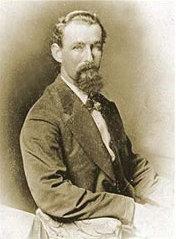
After the murder of Sam Jenkins, Texas Governor Edmund J. Davis made a risky decision by declaring martial law in Walker County. During this time, political power across the nation remained unstable, shifting back and forth between the various political parties. But Governor Davis knew he needed to restore order in Texas, even though this decision angered the public. [6]
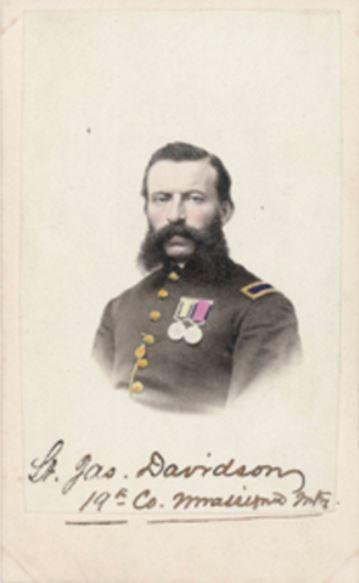
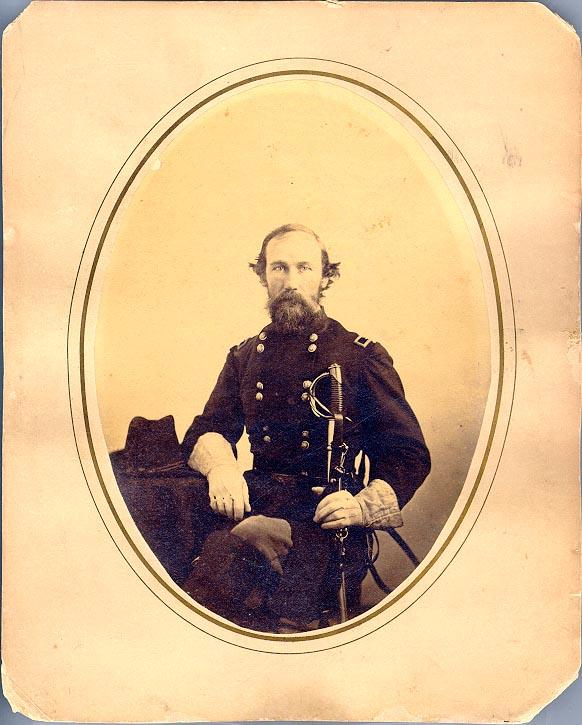
On February 15th, Governor Davis ordered Adjutant General James Davidson to Walker County, specifically Huntsville, with the order to declare martial law upon arrival. This law went into effect and lasted only 90 days. However, the move only fueled accusations against Governor Davis and his actions, as well as those of the Republican Party, as they seemed to only escalate the problems. [7]
Despite all the issues, some things were certain. The hatred towards African Americans still ran high. African American voters had to navigate bitter political battles between Republicans and Democrats, despite their status as freed people. Many ordinary people were suspicious of those with political power. But the most important fact still stands in this matter: Sam Jenkins was dead, simply for being an African American. [8]
Images