Reshaping Huntsville’s Economy: The Lumber Boom
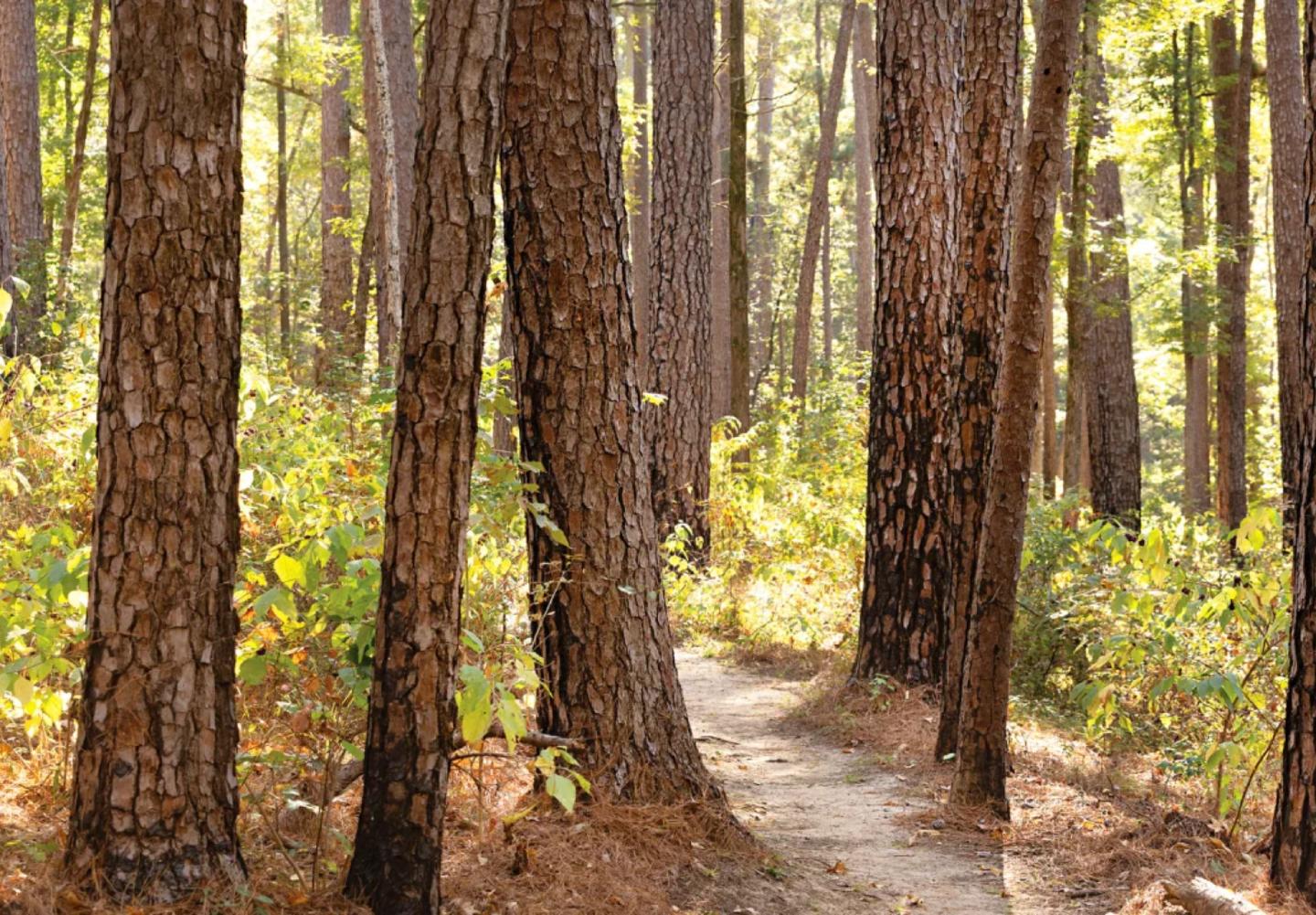
During the Civil War, Huntsville, Texas, sat within one of the richest natural resource environments in East Texas. However, it was not gold or abundant cotton fields that would reshape the local economy. Instead, the towering pine forests that stretched through Walker County, Texas, became one of the region’s most valuable assets. The vast piney woods surrounding the town provided an abundant timber supply that could be harvested and processed for construction and trade. Over time, Huntsville transformed from a small agricultural town into an important player in East Texas’s lumber industry. [1]
In the years before the Civil War, timber in the Huntsville area served primarily local needs, including the construction of homes, barns, fences, and other essential buildings. Across East Texas, small sawmills operated, producing lumber mainly for nearby communities. By 1860, approximately 200 sawmills in Texas generated about $1.75 million worth of lumber each year, highlighting the growing economic potential of the state’s forest resources. Although this level of production remained smaller than in major Northern lumber-producing states, it demonstrated that timber’s valuable as an industry in Texas. The Civil War disrupted multiple aspects of the Southern economy, especially the cotton trade that had previously dominated the region. As markets became unstable and supplies scarcer, communities such as Huntsville relied on local resources to maintain economic stability. For many Walker County residents, lumber harvesting became a vital source of income, supplying timber for construction, repairs, and transportation infrastructure. Though Texas was spared the battlefield destruction of Virginia or Tennessee, the war still created economic troubles that highlighted the importance of regional resources such as timber. [2]
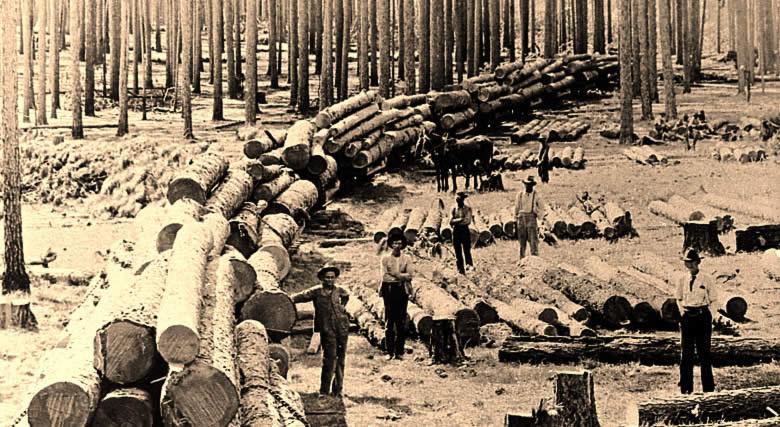
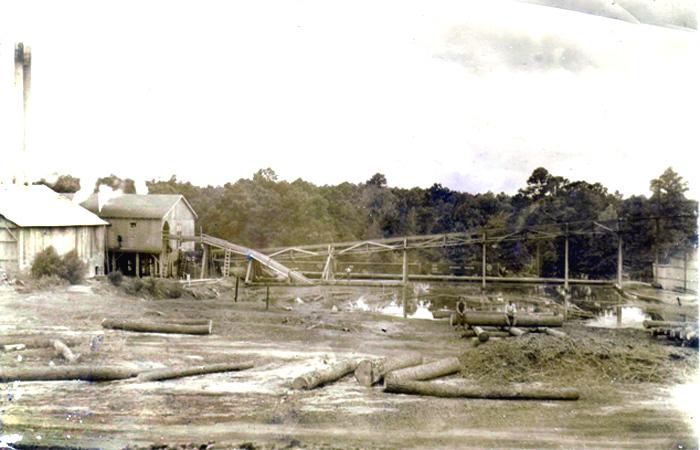
Following the war, demand for lumber increased as communities across the South rebuilt during the Reconstruction Era. Homes, public buildings, railroads, and bridges all required large quantities of lumber. At the same time, technological advancements increased sawmill efficiency. Smaller mills were replaced by larger, steam-powered operations capable of processing greater amounts of timber in shorter periods. By 1879, lumber production in Texas had expanded significantly, reaching about 300 million board feet. Logging crews harvested trees from forests surrounding Huntsville and transported the logs to local sawmills, often using wagons pulled by mules. These mills helped stabilize the city’s economy and provided new employment opportunities for laborers. During a period when agricultural production remained uncertain, the lumber industry provided steady and dependable work for many families in the region. [3]
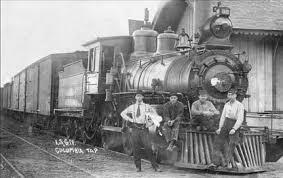
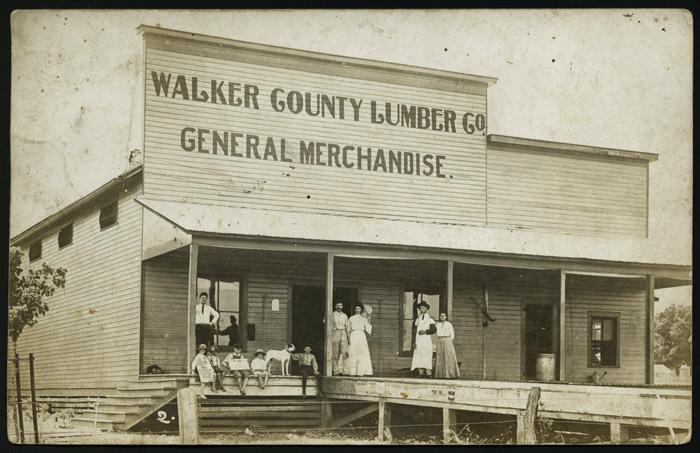
Improved transportation also fueled the expansion of the East Texas lumber trade. As railroad networks expanded throughout the state in the late nineteenth century, lumber producers gained the ability to ship large quantities of timber to markets beyond their immediate communities. Producers in Huntsville could now transport lumber to growing cities across Texas, where demand for building materials continued to rise. With greater access to these expanding markets, timber quickly emerged as one of the region’s most valuable natural resources. Increased demand encouraged further investment in sawmills, logging equipment, and timber operations throughout the surrounding forests. This growth also strengthened Huntsville’s local economy. Businesses that supported the lumber industry, including supply stores, blacksmith shops, equipment repair services, and transportation companies, began to appear and serve the growing number of workers connected to the lumber trade. [4]
By the late nineteenth century, lumber had become one of the most significant industries in East Texas. Its development played a lasting role in shaping Huntsville's economic foundation. While the lumber trade did not replace agriculture, it helped diversify the local economy and reduced the community’s dependence on cotton production alone. The industry also connected Huntsville to broader networks across the state. By contributing both labor and natural resources, Huntsville helped transform the regional economy of the East Texas Piney Woods, helping establish lumber as a defining part of the region’s economic history.
Images