The Impact of the Huntsville Penitentiary During the Civil War
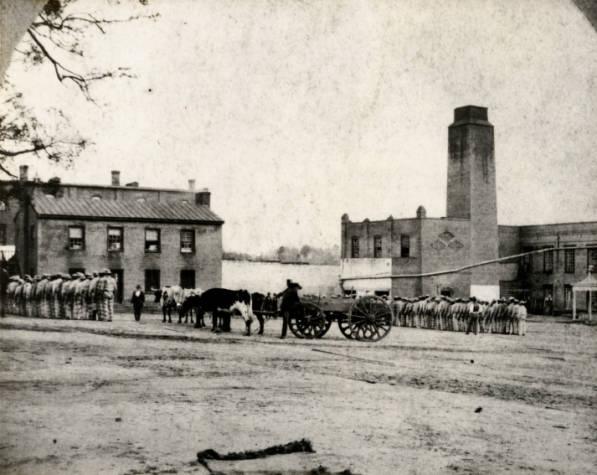
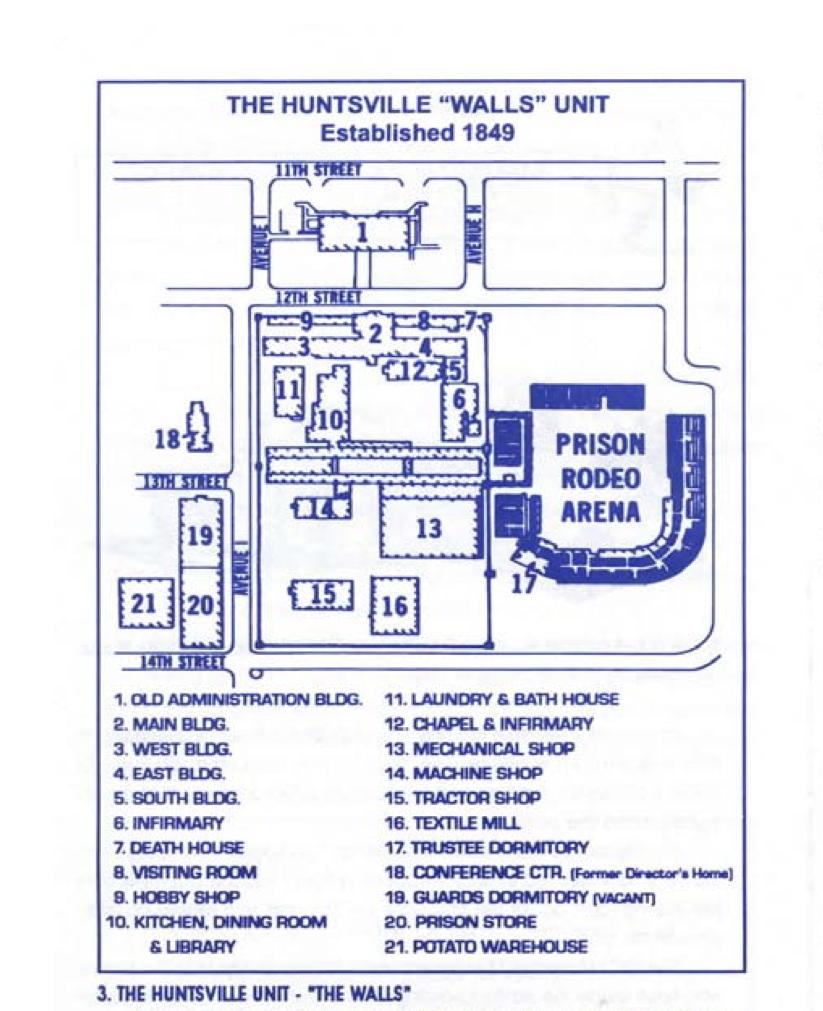
Located in Huntsville, Texas, the Huntsville Unit, or the “Walls Unit,” represented the first state prison in Texas. It opened in 1849 and became important in both East Texas and U.S. history, especially during the Civil War. By 1861, the prison was already shaping many lives and influencing Texas’s labor and politics. What happened there during the Civil War reveals how punishment, forced labor, and social control operated in Texas at the time. [1]
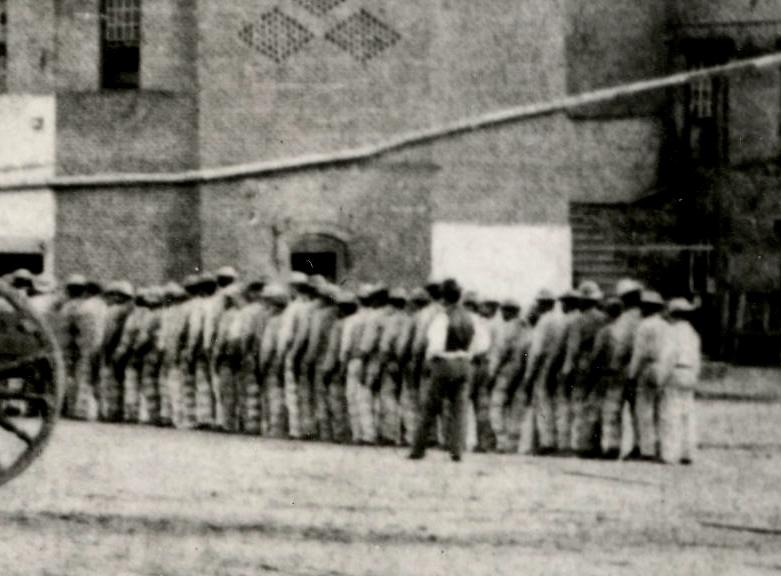
During the Civil War, the Huntsville prison helped the Confederate war effort by forcing prisoners to perform arduous labor, including brickmaking, construction of state buildings, and farm work. The prison held different kinds of people: some were guilty of crimes, while others were jailed for political reasons, such as opposing secession or supporting the Union. Sometimes, northern prisoners of war were also housed at the Walls Unit. Conditions were very harsh. Hard work, overcrowding, and poor air led to disease. Food was limited because most supplies went to Confederate soldiers, so prisoners had little to eat. [2]
The prison also affected the Huntsville community in many ways. When local men left to join the Confederate army, prisoners filled the resulting labor shortage by taking on jobs in construction, agriculture, and maintenance, which allowed essential projects and local businesses to continue operating despite the war. Many families visited or even moved to Huntsville to be near relatives in prison, which increased demand for goods and services and boosted commerce in the area, benefiting businesses associated with the prison. Beyond its direct economic impact, the prison emerged as an enduring symbol of order by maintaining public discipline and serving as a visible reminder of the state's enforcement capacity. The public nature of prisoners’ labor reinforced the message that dissent and disobedience would be harshly punished, thereby discouraging resistance to the Confederate cause and shaping the town’s attitudes toward authority and social conformity during the Civil War. [3]
There are a few records left from the Civil War period in Huntsville, but later historians helped preserve this history. Marcellus Elliott Foster, who founded the Houston Chronicle, played a key role in recording the stories of Texas institutions. Through his journalism and research, he kept track of Texas communities and places like the Huntsville prison. Even though Foster was born after the Civil War, his work helps us understand how these institutions grew and shaped Texas society. [4]
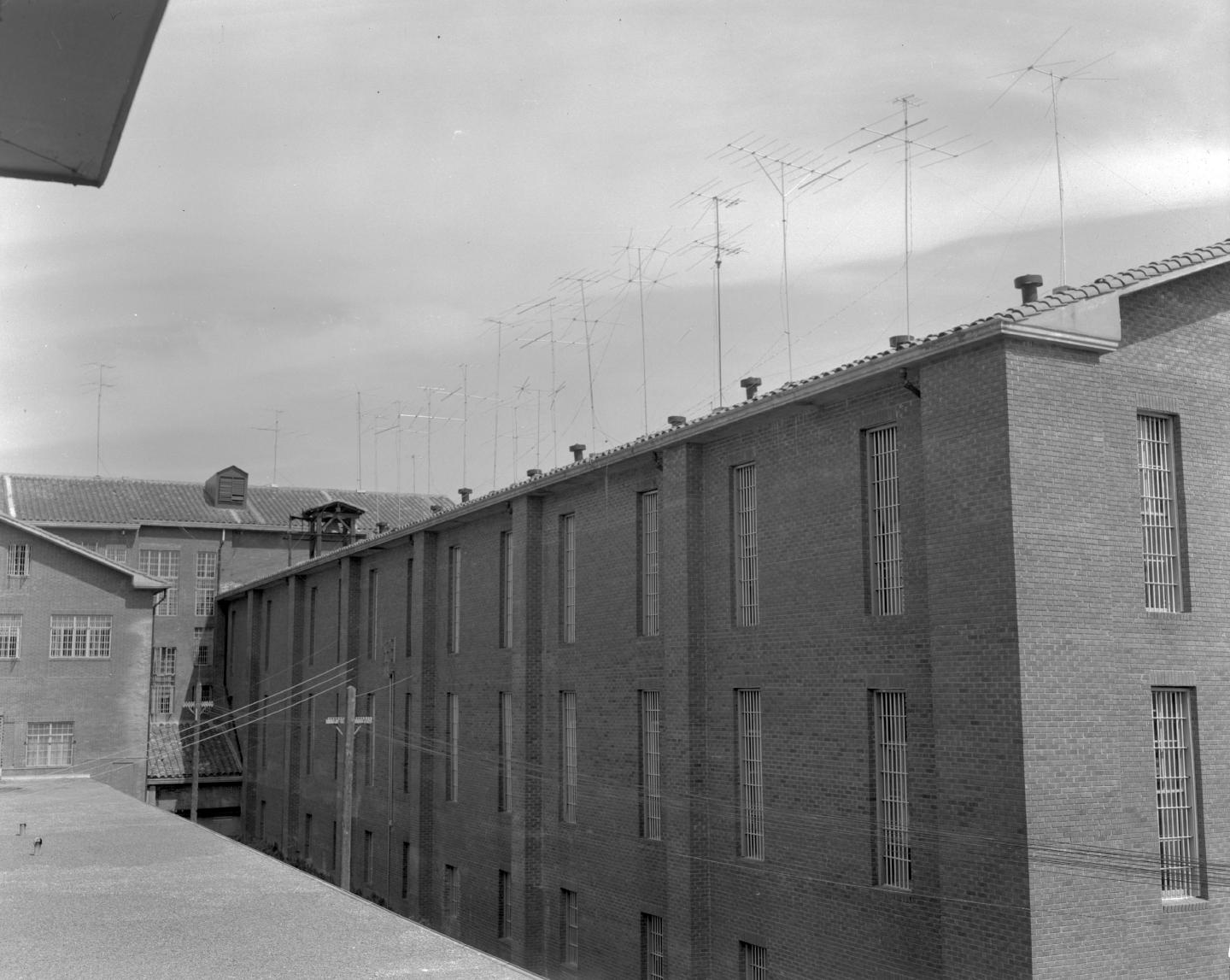
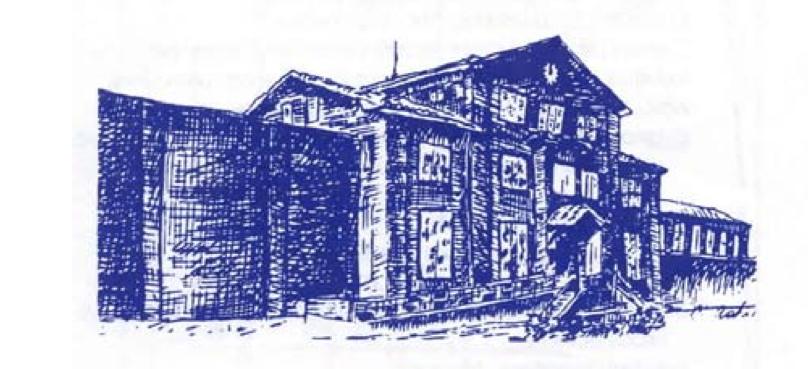
Foster studied Texas history and was one of the few journalists who carefully recorded how places like the Huntsville prison affected the state’s society, politics, and economy. He collected records, news articles, and personal stories that later historians used to learn about life in these institutions. His work is valuable because it connects later generations to Civil War events and serves as a link between the 1800s and the early 1900s, when historians and journalists began documenting Texas history more fully. The penitentiary itself became a significant landmark; its tall brick walls made it one of the town’s best-known features, earning it the nickname "Walls Unit." Its location near main roads aided its operation and maintained its visibility as a symbol of state power. The building continues to serve as a strong representation of Texas’s early prison system. [5]
In summary, the Huntsville Penitentiary played a key role in East Texas during the Civil War. It provided needed labor when workers were few, influenced Huntsville’s economy and society, and reflected the political struggles of the time. Because of historians and journalists like Marcellus Elliott Foster, we can now better understand how places like the Huntsville prison shaped life in Texas during this challenging period in American history. [6]
Images