The Houston and Great Northern Railroad Company
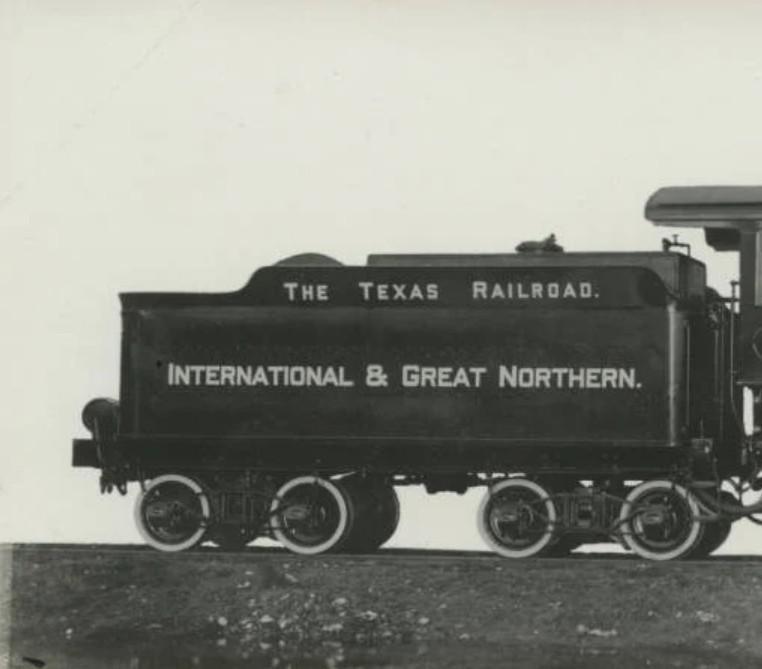
Before the development of railways, transportation proved a problem for many early settlers in Texas. Steamboat navigation and ox carts represented the primary means of transportation in the late 1850s, but both had disadvantages. Rivers in Texas were often too shallow for annual boat traffic, and roads were often impassable. A change was needed, and the invention of the railroads brought the development Texas was looking for. Specifically, the Houston and Great Northern Railroad played a key role in Texas’s development and helped shape Walker County's economic and social growth. [1]
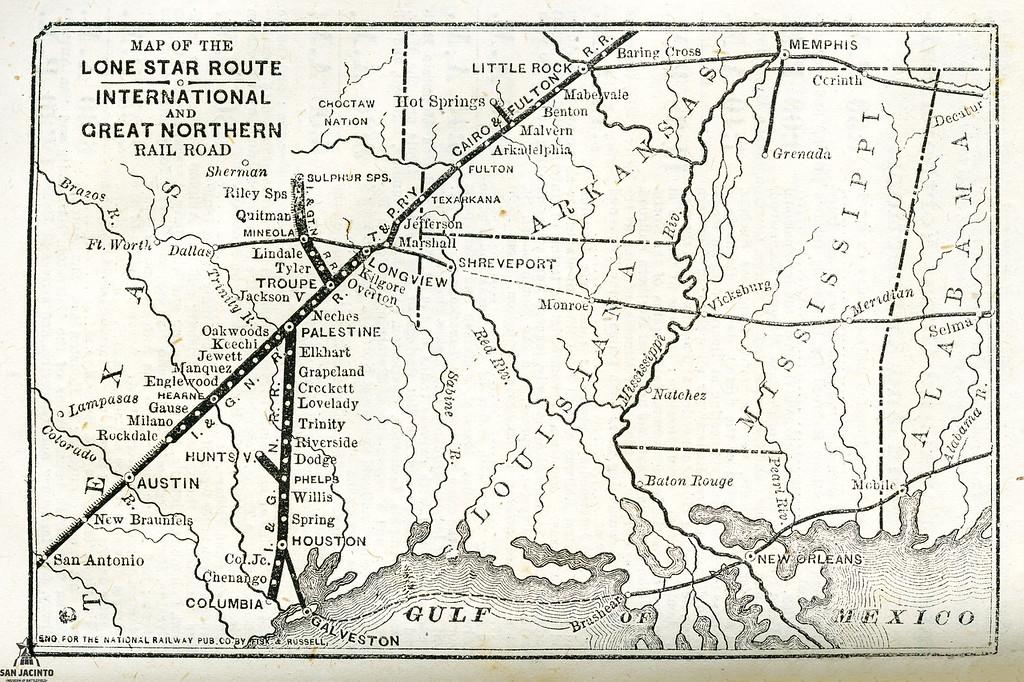
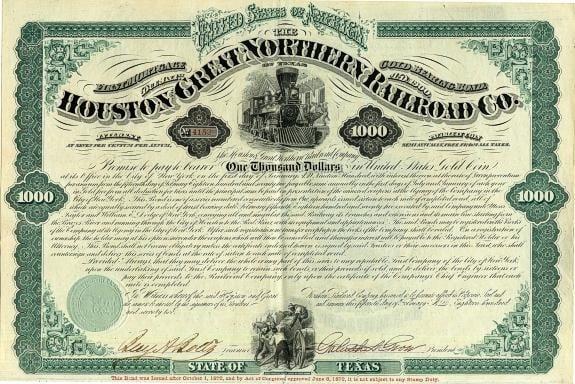
In December 1870, the Houston and Great Northern Railroad Company began construction of a major new railroad. This route connected Houston, Texas, with northern markets. The railroad was part of a broader effort to rebuild and expand transportation access in Texas after the American Civil War. As the Houston and Great Northern Railroad expanded north from Houston, it passed through several developing communities in Harris and Montgomery counties before entering Walker County. [2]
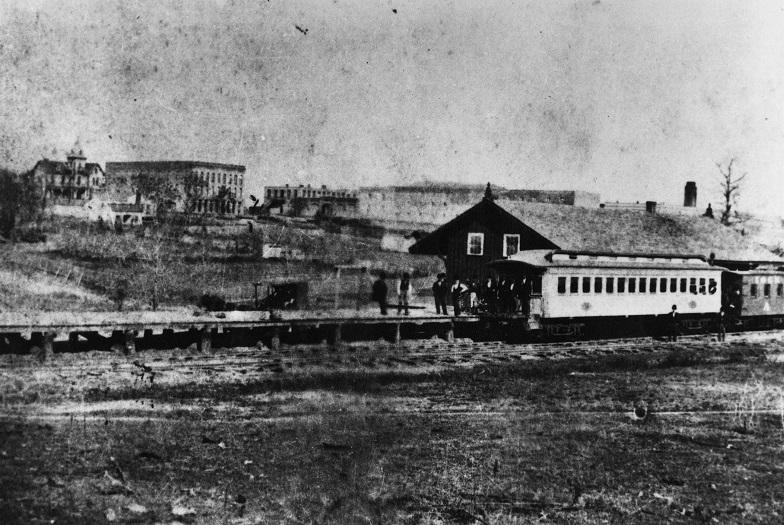
As the railroad construction continued northward, the main line did not pass directly through Huntsville, Texas. Local leaders at the time had the opportunity to pay a “bonus” to the railroad company to ensure the railroad passed through Huntsville but initially declined to do so. Because of this decision, the railroad instead ran seven miles east of Huntsville through smaller communities, such as the small town of Phelps. This decision soon proved a mistake, as it became evident that towns located directly on the railroad began to grow faster than those farther away. Since Huntsville had been bypassed, residents soon realized that the town needed railroad access to remain economically competitive. Thus, in 1871, local citizens organized the Huntsville Branch Railroad, a line that connected Huntsville to the main Houston and Great Northern Railroad in Phelps. Overall, it cost the city of Huntsville $100,000 more to build a connecting line than to have the Houston and Great Northern Railroad run through the town. Once connected, Huntsville gained access to the broader railroad network and began shipping goods to a wider range of markets. [3]
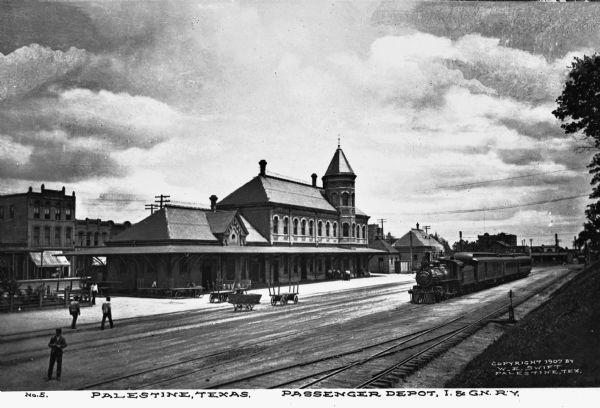
The creation of the Houston and Great Northern Railroad brought massive economic change to Walker County. The railroad enabled farmers to ship agricultural products much more cheaply and efficiently, including cotton, corn, and livestock. Before the railroad, goods had to travel by wagon over rough roads, which was much less cost-efficient due to the expense of purchasing and feeding draft animals. Additionally, because Walker County lay in the East Texas Piney Woods, it had abundant forest resources. This meant the railroad enabled the transport of large quantities of lumber, thereby helping expand the regional lumber industry. Due to the economic boom in Walker County, the population grew. The railroads encouraged migration and settlement, meaning that when railroad stations were built, businesses opened near depots, stores and hotels served travelers, and farmers moved nearby to take advantage of the low cost of shipping crops. As a result of the railroad, Walker County’s population and economic activity increased during the 1870s and 1880s. Eventually, in 1873, the Houston and Great Northern Railroad merged into the International and Great Northern Railroad. Even after this change, the railroad continued to shape Walker County by providing transportation, influencing town settlements, and supporting the agriculture and timber industries. [4]
Images