Enslaved Labor and the Making of Early Huntsville, Texas (1840-1860)
How Enslaved Laborers Helped Shape Huntsville, Texas
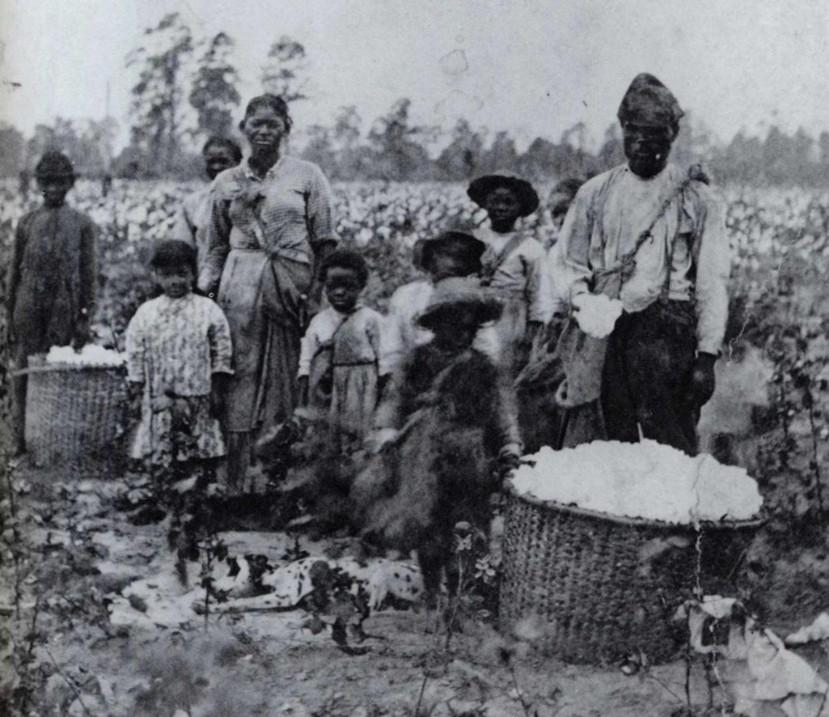
In the 1850s, long before prison towers or university classrooms defined Huntsville, enslaved men and women already worked hard. They hauled water from wells, cleared land, cooked fresh meals, and tended cotton fields. Although these men and women powered Huntsville’s daily life, most people have forgotten their names.
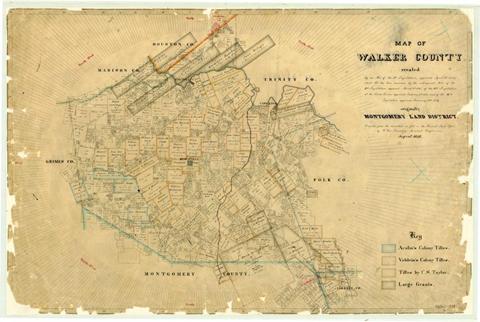
Decades before the Civil War, Huntsville, Texas, went from being a small frontier settlement to one of East Texas’ most important towns. Much of the town’s growth between 1840 and 1860 lay on the shoulders of the enslaved African Americans, though early settlers like Pleasant Gray are often solely credited. Through their work in agriculture, construction, and domestic service, enslaved African Americans shaped Huntsville’s economy and its physical and social foundations. [1]
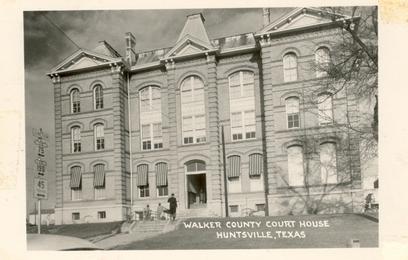
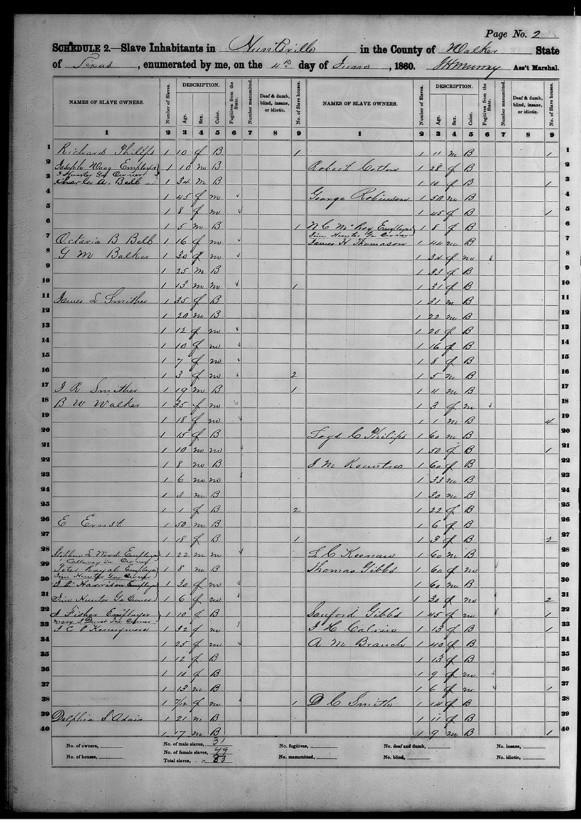
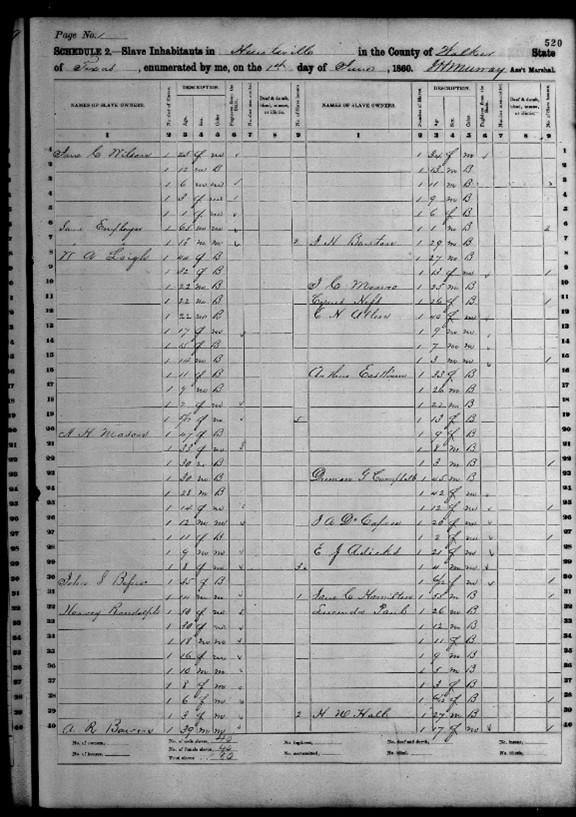
In 1846, Huntsville became the pride of Walker County, attracting lawyers, merchants, and landowners into town. There was a large production of corn, cotton, and livestock from the surrounding countryside, requiring enslaved labor for the constant maintenance and upkeep of plantations and farms [4]. Enslaved men, women, and children harvested, planted, and weeded such crops. Such hard work allowed Huntsville to grow into a regional trading and administrative center. The 1860 federal census states that hundreds of enslaved people lived in Walker County, which constituted a fair share of the county’s population and labor force. [2]
In Huntsville specifically, enslaved labor was critical, as enslaved men were useful for clearing land, building houses, digging wells, and maintaining connecting roads between Huntsville and the nearby farms and communities. In addition, some men were employed in carpentry and blacksmithing, which enabled the construction of Huntsville’s buildings and infrastructure. Although not commonly referenced, enslaved laborers shaped most of Huntsville’s physical appearance, including homes, fences, and public buildings. [3]
Without the domestic work of enslaved women, Huntsville’s households and businesses would have fallen apart. These women cooked, cleaned, sewed, and cared for all the children, which allowed their white owners to take part in politics and commerce. Though this work was extensive and laborious, some freed enslaved Texans claimed it allowed the bonds between their families to become stronger. As the town expanded, Huntsville citizens became increasingly reliant on enslaved laborers. [4]
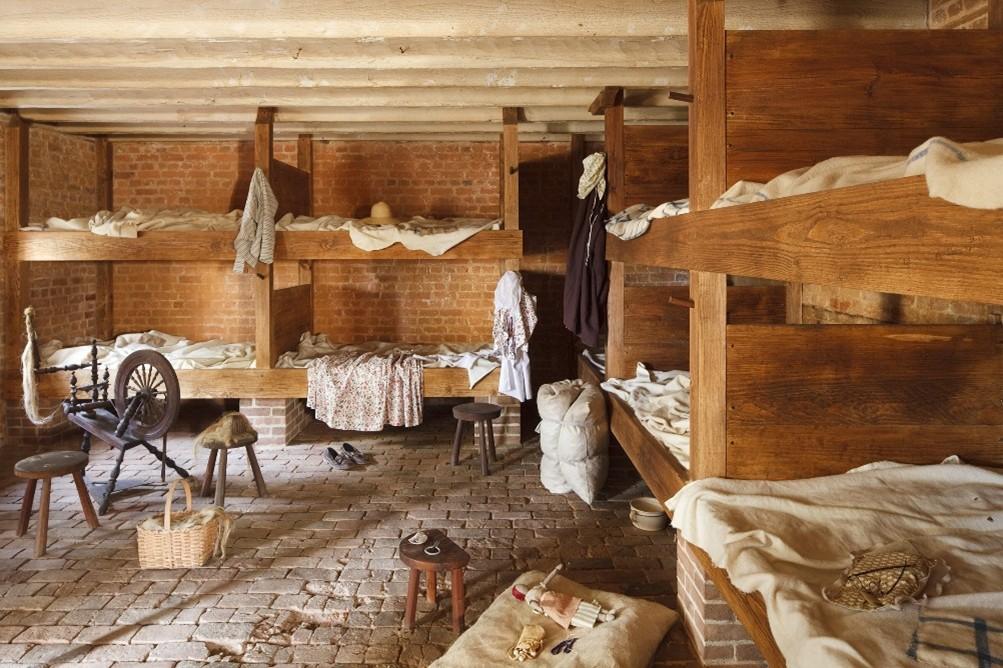
Slavery was a harsh reality, and still, enslaved people figured out ways to make it more bearable. They did this by creating their own communities and families. Many enslaved people lived in quarters on their owners’ plantation, and it was here that kinship ties were maintained, religion was practiced, and traditions were protected. [5]
By 1860, slavery played a significant part in the maintenance of Huntsville’s economy, as seen by the enslaved African American population in the Walker County census records. Without the labor of the enslaved, the town’s prosperity would have significantly decreased. To see the town more clearly, it is important to remember the enslaved people whose efforts provided Huntsville with the tools necessary to become an essential part of East Texas history. [6]
Images