Henry M. Elmore
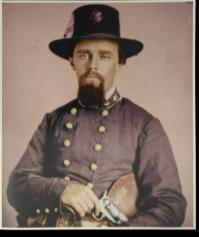
The Elmore family can be traced to the first generation of Anglo-American settlers in Texas. Born on February 28, 1816, to John Archer Elmore and Nancy Ann Elmore, Henry M. Elmore grew up on his family’s plantation in Laurens County, South Carolina. His father was a notable General in the Continental Army during the American Revolution. In 1819, Henry moved with his parents and siblings to Elmore, Alabama, where his father purchased a large plantation and served in the Alabama State Legislature. [1]
In the 1830s, Elmore received his education at the University of Alabama, an institution catering to the sons of upper-class Southern families. Following graduation, he married Elizabeth Harris on June 26, 1838. Elmore and his growing family settled in Autauga, Alabama, where they became planters. Like his father, Elmore was elected to the Alabama legislature in 1855 and served as a probate judge in Macon County, a tradition influenced by his father's military service and political involvement. [2]
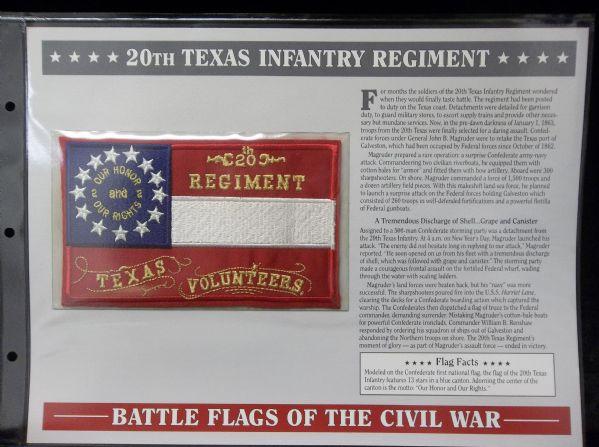
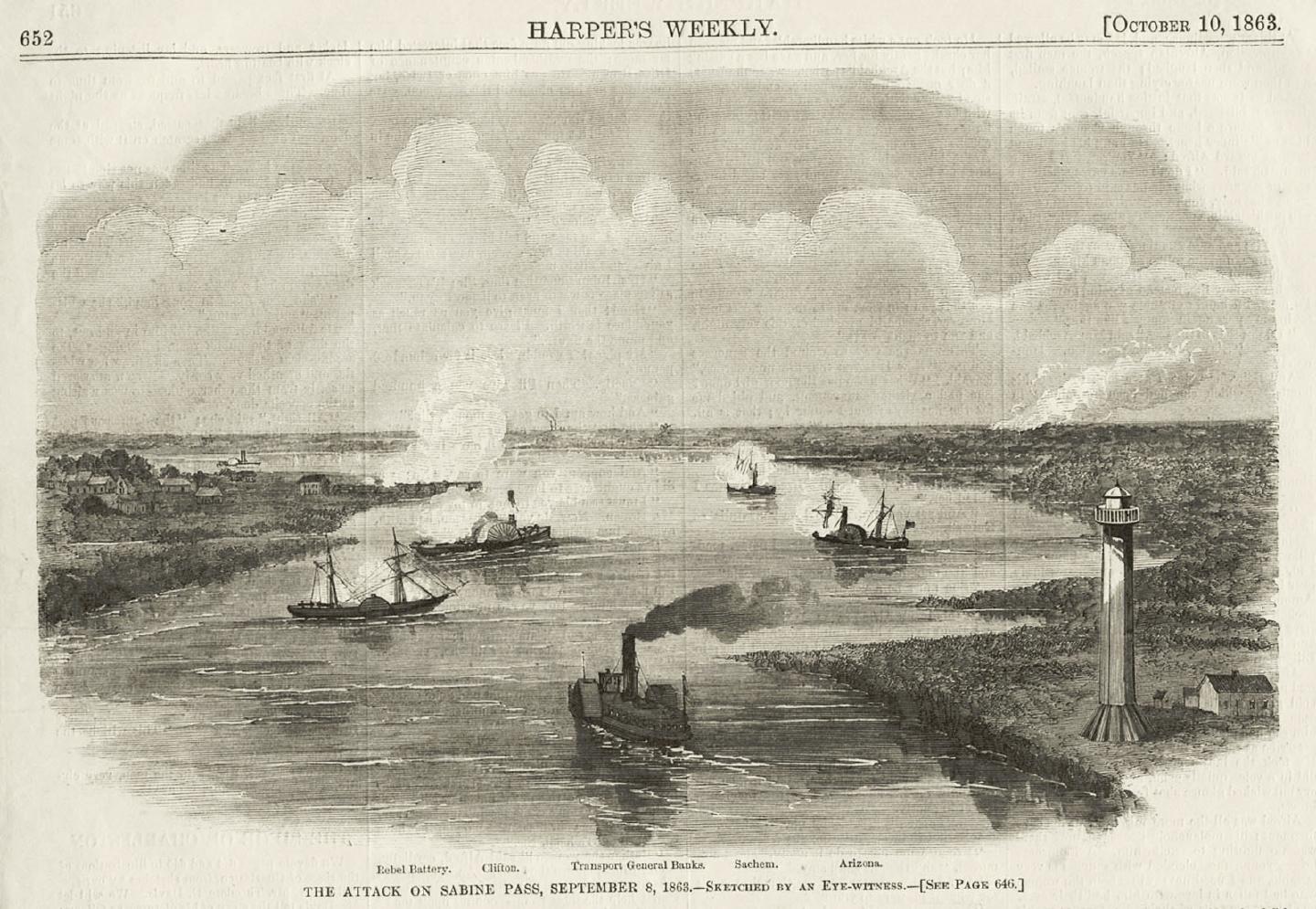
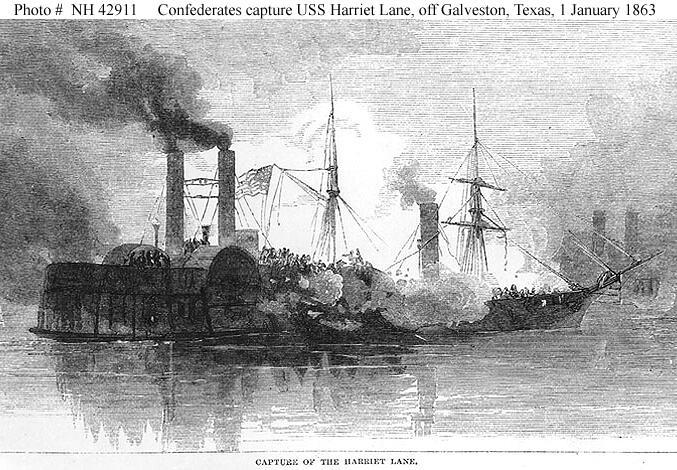
In 1856, Elmore relocated his family to Texas, where he helped found Waverly (today known as Old Waverly). By 1860, Elmore had become a successful cotton planter and a Democratic representative for House District 38 in the Texas Legislature from 1861 to 1862. During this time, he chaired the Penitentiary Committee and served on the Finance Committee. Around the same time, Elmore organized the 20th Texas Infantry Regiment at Galveston as part of the Confederate Trans-Mississippi Department. The regiment consisted mostly of middle-aged prominent citizens who were assigned coastal guard duty from Galveston to the Sabine River. Elmore's duties primarily involved overseeing heavy artillery operations. His unit participated in the Confederate victories at Sabine Pass and Galveston, which included the recapture of Galveston in January 1863. The field offices supporting Elmore included Lieutenant Colonel Leonard A. Abercrombie and Major Robert E. Bell. For unknown reasons, Confederate military officials court-martialed Elmore in May 1864. Reassigned to Tyler, Texas, he resumed command in Galveston in February 1865. [3]
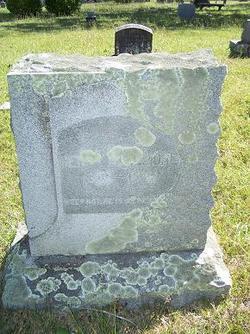
Following the surrender of Confederate forces in spring 1865, Elmore returned to his home in Waverly, Texas, and continued his civilian life during the tumultuous period of Reconstruction. Elmore demonstrated his leadership in the community by serving as secretary at the Waverly Emigration Society convention on September 19, 1866. Founded by local planters, the society sought to recruit European workers for plantations rather than rely on African American labor. Elmore also donated land for the construction of churches and schools. By 1870, he served as president of the board of trustees for the Waverly Male and Female Institute, supporting regional education as social institutions were being rebuilt. He sustained involvement in Waverly’s civic activities up to his death, reflecting a focus on communal recovery rather than renewed political or military pursuits. After a long political, military, business, and social career, Henry M Elmore died on February 21, 1879, at 62. He was buried in the Old Waverly Cemetery in San Jacinto County, Texas, near his wife, who had passed away several years before. His legacy lives on through the town he helped establish and the role he played in Texas history. Through his service as a judge, community leader, and Confederate officer, Elmore left a lasting impact on the people and institutions of Waverly and the surrounding area. [4]
Images