Early Huntsville Boarding Houses
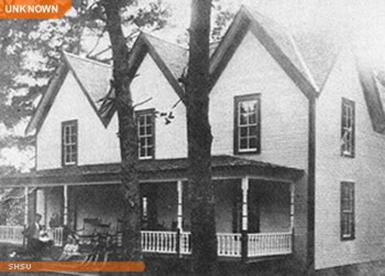
By the turn of the century, the founding of the Sam Houston Normal Institute established Huntsville’s reputation as an educational center. However, before the construction of campus residence halls, students, often female, lived primarily in local boarding houses while they pursued teacher training. Not only were these houses integral to the social fabric of early Huntsville, but they also played an important role in the economy. For young women traveling from rural East Texas, living in a home that offered food, lodging, and a supervised social environment made the transition much easier. [1]
In 1879, the opening of the Sam Houston Normal Institute attracted hundreds of students to a town lacking the means and infrastructure of a typical college town. Old Main and Austin Hall, the Institute’s first campus buildings, featured classrooms and administrative offices but not student housing. Consequently, private citizens helped meet the demand for student housing near campus by opening their homes as boarding houses, providing essential accommodation for students. [2]
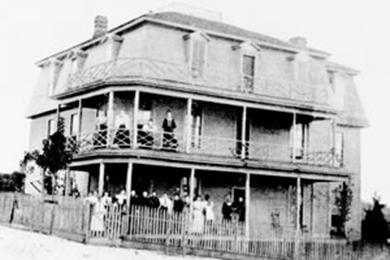
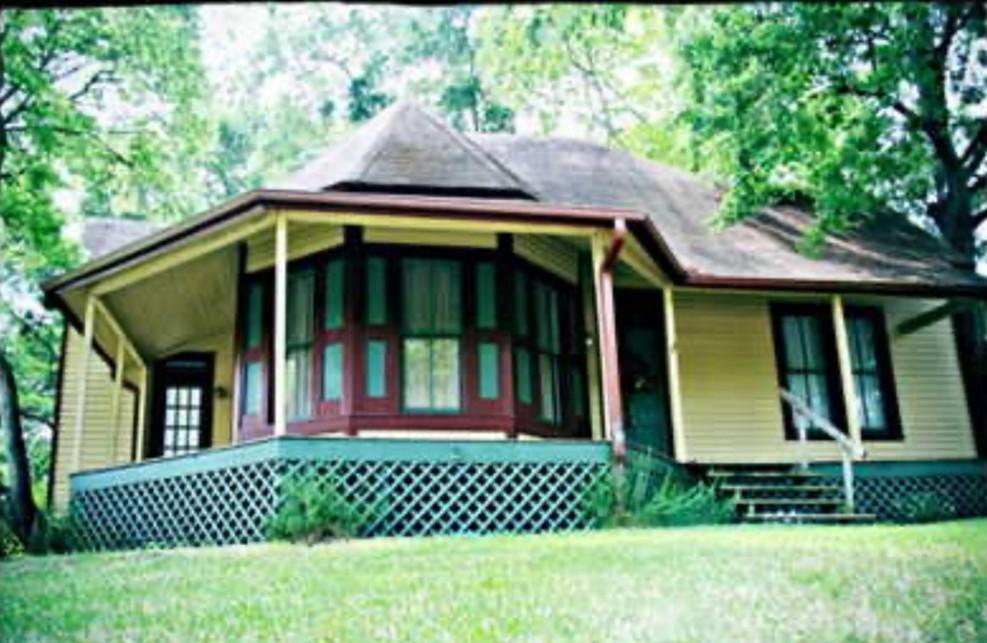
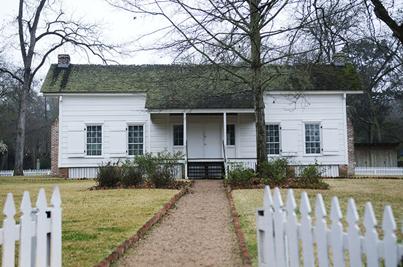
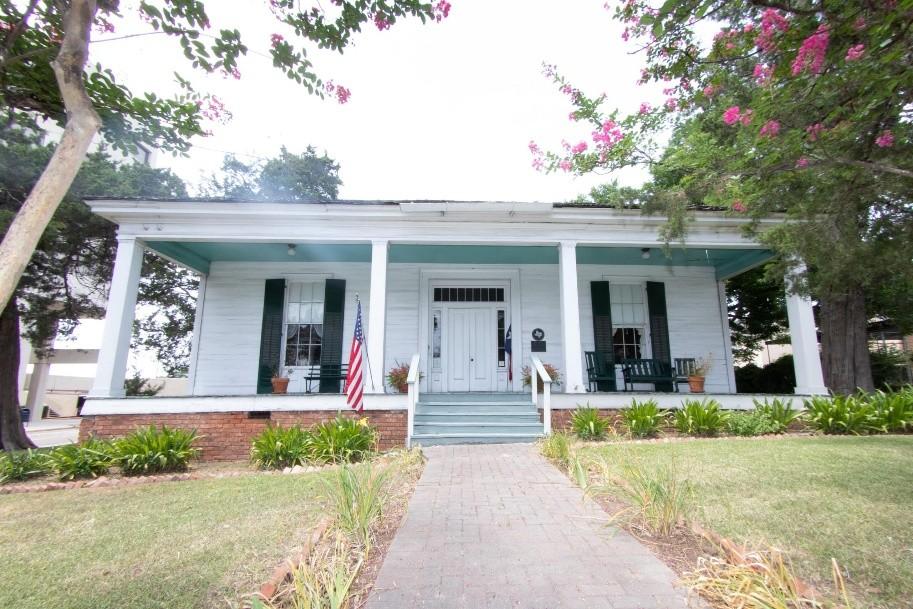
Some of the most well-known boarding houses include the Gibbs-Powell House, located at 1228 11th, and the Smedes Boarding School for Girls at 1836 Sam Houston Ave. The Gibbs-Powell House was built in the mid-nineteenth century and belonged to the Gibbs family before being transferred to the Powell family. Episcopal minister Alden B. Smedes built the Smedes Boarding School for Girls in the late nineteenth century. Typically, these historic Huntsville buildings functioned effectively as boarding schools because they had multiple bedrooms and dining space and were near the campus. Although Gibbs-Powell has been converted into a museum operated by the Walker County Historical Commission, it remains a significant example of the domestic environment in which early institute students may have lived while completing their studies. [3]
Boarding houses played not merely a functional role in students’ lives but also helped shape their daily lives and social expectations. Typically, boarding homeowners imposed rules regarding conduct, curfew, and mealtimes, which reassured parents that their children were living in a safe and structured environment. These homes provided a structured environment, a sense of community, and independence for young women from conservative rural families. This allowed them to form friendships, study together, and participate in cultural activities tied to the Institute. Though formal student housing did not exist until the 1930s, these private homes were considered the first dormitories for normal students. As the school expanded and received more donations, dormitories and residence halls appeared on campus, significantly reducing the need for or reliance on private homes. Nevertheless, during the late 19th and early 20th centuries, these houses became an important part of Huntsville’s educational ecosystem. [4]
Before the construction of on-campus dormitories and residential halls, boarding houses proved essential to the students of the Normal Institute. Not just a form of housing, these environments also served as social centers where young women could experience independence and community living for the first time. Even though many of these historic buildings no longer serve as student housing, their legacies remain part of Huntsville’s educational history, demonstrating how community and campus life supported each other in shaping Texas teachers. The presence of these houses also had an economic impact on early Huntsville. They generated income for local families by establishing a network of services, including grocery stores, laundromats, and cafes, that supported student life. For these reasons, boarding houses became more than just temporary lodgings; they became part of Huntsville’s identity as a community and learning center in East Texas. [5]
Images