Emancipation Park in Huntsville
The history of Emancipation Park in Huntsville, Texas, is deeply connected to the local experience of freedom, community building, and racial identity from the Civil War era through the early 20th century. Although the park was created after the Civil War, the idea originated during this turbulent period and came to fruition during Reconstruction. Understanding the social and political environment of Huntsville and Walker County between 1860 and 1929 explains how and why Emancipation Park became such a lasting symbol for African American residents.
Before the Civil War, Huntsville was a small East Texas town, the seat of Walker County. Like many areas of the Lone Star state, Huntsville’s economy was based on slavery, and enslaved African Americans worked on farms, in households, and contributed to local labor systems. According to the Texas State Historical Association, Texas was the last Confederate state where enslaved people learned of their freedom because Union forces did not enforce emancipation until June 19, 1865, a delay that led to the creation of the holiday that later became known as Juneteenth. Although the specific announcement happened in Galveston, news of emancipation rapidly spread throughout Texas, including to towns like Huntsville, where formerly enslaved people began marking the end of slavery with gatherings and celebrations each year. [1]
After the Civil War ended in 1865, Reconstruction brought both opportunities and challenges to African American communities across Texas. Freedpeople attempted to build new lives, establish churches, find work, and participate in civic life. However, they also faced white resistance and political backlash that limited opportunities and created tensions. In this environment, the first Juneteenth celebrations in Huntsville occurred informally as newly freed people gathered to mark their freedom. Even though public facilities were often segregated or inaccessible, these early celebrations became an important annual tradition among local Black communities. [2]
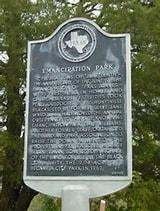
As African Americans continued to celebrate freedom after Reconstruction ended in 1877, they often lacked space to gather because segregation in Texas limited their use of parks, streets, and public venues. Segregation laws and informal racial customs made it difficult for Black residents to use many community spaces that white residents took for granted. Because of this, African Americans in Huntsville wanted a place of their own where they could celebrate Juneteenth and hold community events without restriction. The historical marker for Emancipation Park explains that former slaves and local Black leaders worked together to create such a social space. [3]
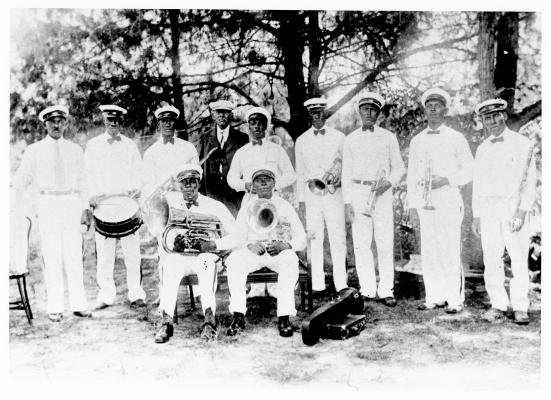
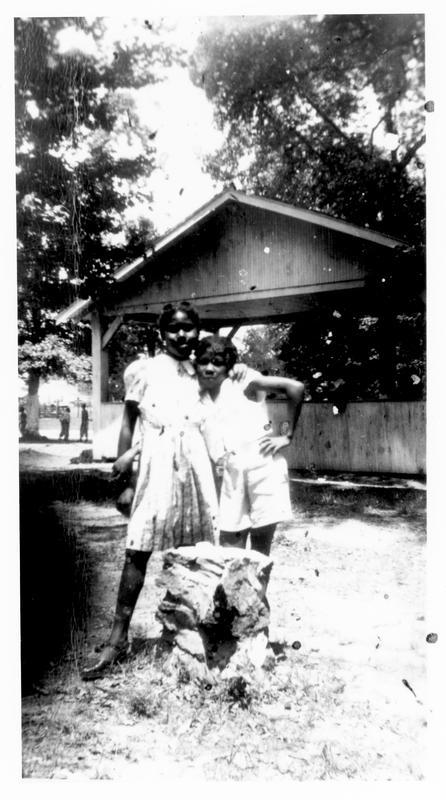
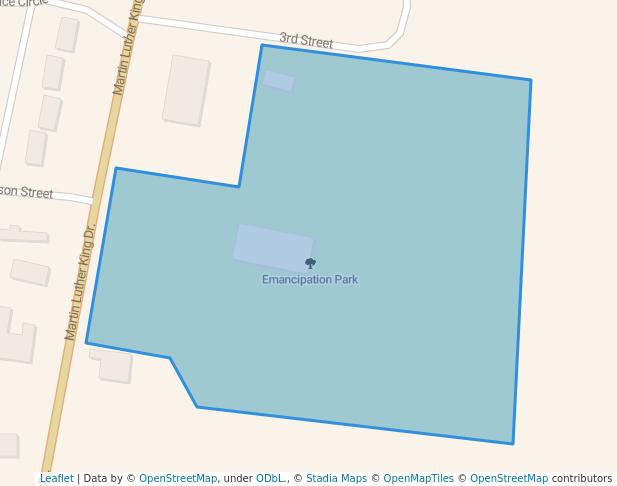
Around 1915, community leaders, including former slaves like Jane Ward, began organizing the effort that would give birth to Emancipation Park. At that time, African Americans raised money through events, dances, and fundraisers to pay for the property. This was a substantial achievement because purchasing land required sustained community commitment and financial sacrifice. The park was purchased and gradually paid off over several years, eventually becoming a central gathering location for Juneteenth celebrations, family events, picnics, and cultural activities. Unlike many parks that were off limits to Black residents, Emancipation Park was owned and operated by the Black community, giving it a rare meaning and a sense of ownership to local African Americans. [4]
By the 1920s, Emancipation Park had become established not only as a place for celebration but also as a symbol of resilience and communal strength. For African Americans in Huntsville and Walker County, the park embodied the legacy of emancipation and the ongoing struggle to claim space in a segregated society. Even as Jim Crow laws enforced racial separation and discrimination across public life, Emancipation Park stood as a place where Black residents could be together, celebrate cultural heritage, and support one another. [5]
Emancipation Park also shows how the African American community in Texas transformed the meaning of freedom after the Civil War. Instead of simply acknowledging legal freedom, residents took active steps to create institutions and traditions that reinforced community pride and independence. By 1929, the park had already hosted more than a decade of annual Juneteenth celebrations, and its legacy continued to grow throughout the 20th century. The park’s establishment is not just a story about land ownership; it represents a story about Black agency, cultural continuity, and how former slaves and their descendants shaped local history [6]
In conclusion, Emancipation Park in Huntsville remains a Texas landmark whose roots lie in the Civil War era and whose significance grew through Reconstruction and into the early 1900s. The park reflects African American resilience in Walker County—transforming a celebration of freedom into a physical space dedicated to memory, community, and future generations. The story of Emancipation Park highlights how formerly enslaved people and their descendants shaped their own cultural and social spaces in response to both oppression and opportunity.
Images