Native Identity in the New South
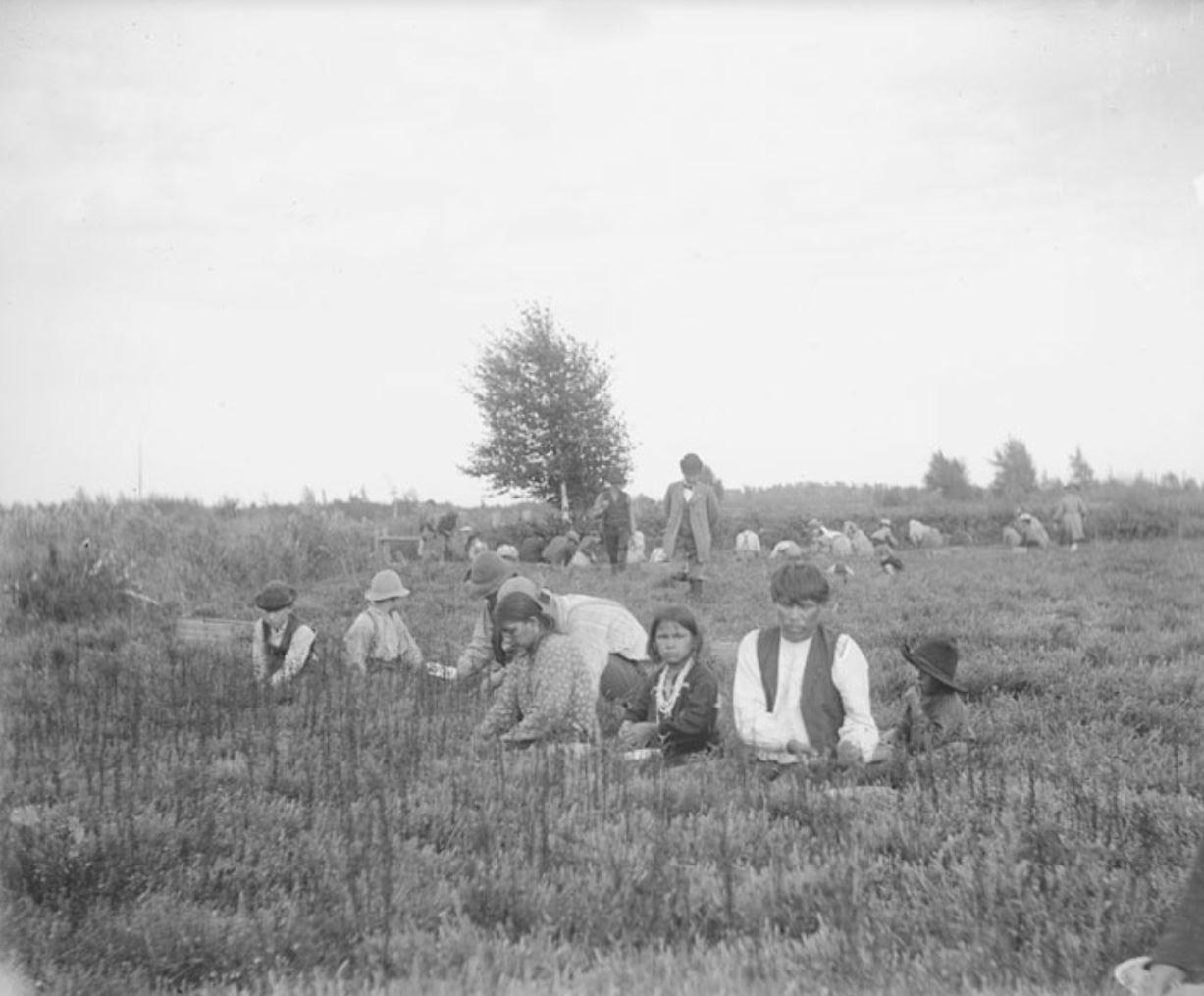
During the New South Era from 1860 to 1929, the period brought significant political, economic, and social change across the southern United States, particularly in present-day Walker County. Native American communities in East Texas, including those near Huntsville and Walker County, faced increasing pressures to assimilate into Anglo-American culture while confronting economic and political challenges during the Civil War, Reconstruction, and the following decades. Despite such tensions, Native American tribes and families demonstrated remarkable resilience in maintaining their cultural identities, customs, and community structures. Instead of disappearing or completely assimilating into the mainstream, many Native Indian communities adapted to changing circumstances while preserving important aspects of their heritage and culture. [1]
One of the major influences on Native communities during this era was the growing pressure from both state and federal governments to enforce assimilation into Anglo-American culture. Federal and state assimilation policies often aimed to encourage Native Americans to abandon their traditional cultural practices, languages, and community structures to favor Western lifestyles. [2]
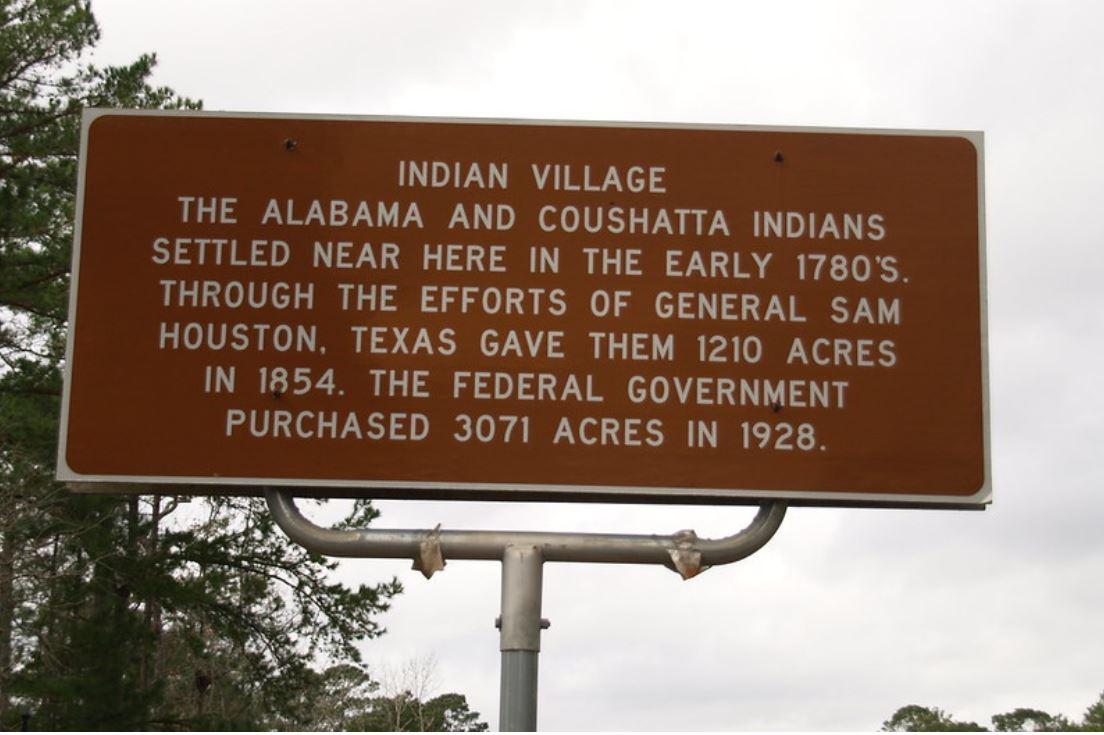
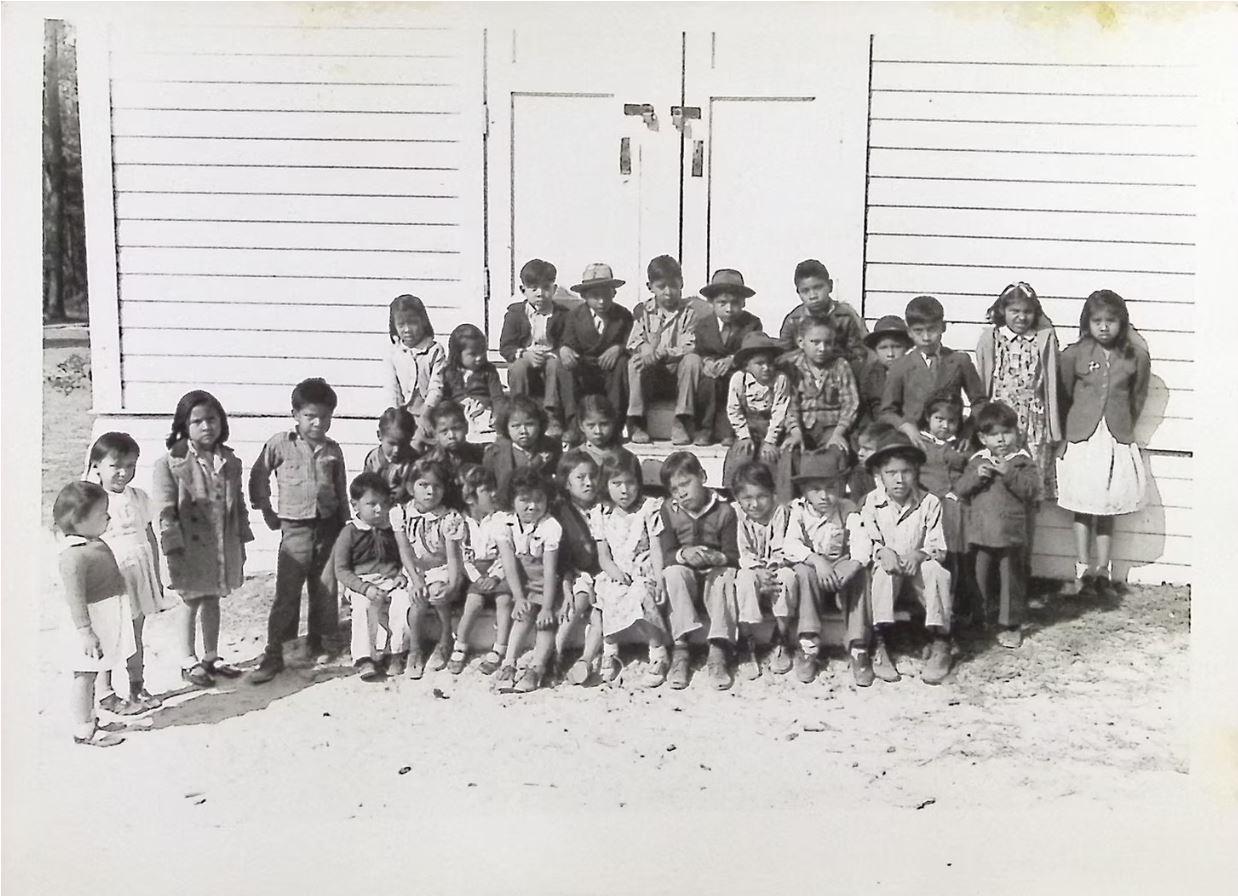
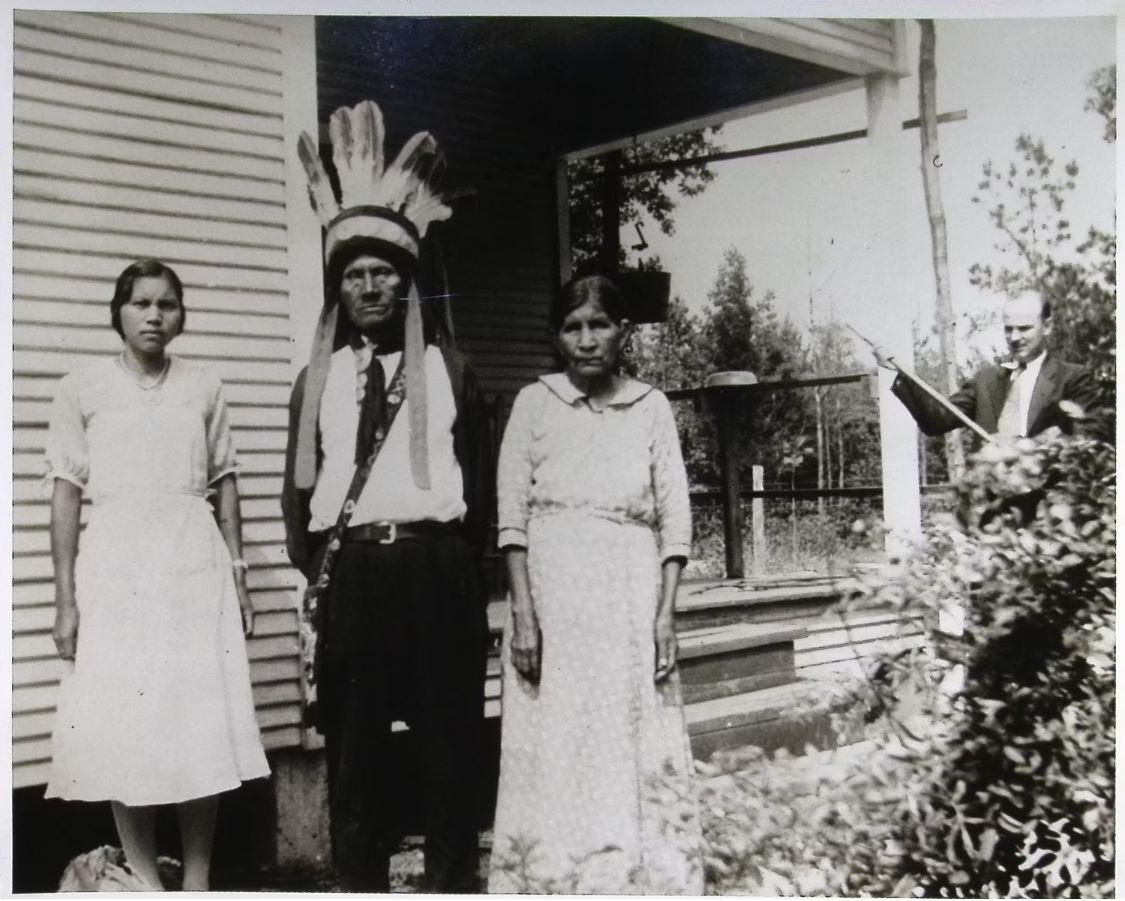
Programs such as government-controlled education systems, land allotment policies, and missionary activities threatened Native identities. Policies like the Dawes Act of 1887 frequently disrupted traditional Native ways of life and weakened tribal sovereignty as they divided tribal lands into individual allotments, forcing children into boarding schools that discouraged Native languages, placing them under federal oversight rather than their own families and traditional leadership systems. Many Native families resisted complete assimilation by maintaining their customs, oral traditions, and spiritual beliefs within their households and communities, such as members of the Alabama-Coushatta, Coushatta, and other small Native groups that lived throughout East Texas, including areas surrounding Walker County and Huntsville. [3]
Industrialization played an essential role in shaping Native Americans' experiences in East Texas. Large-scale farming, railroads, and massive timber operations led Native families to seek out employment in these growing sectors. Timber production became particularly significant in areas surrounding Walker County, where dense forests provided opportunities for labor. Although physically demanding and offering limited economic mobility, these jobs also provided vital income streams for Native Americans, including Alabama-Coushatta and other Native laborers living in nearby East Texas settlements. [4]
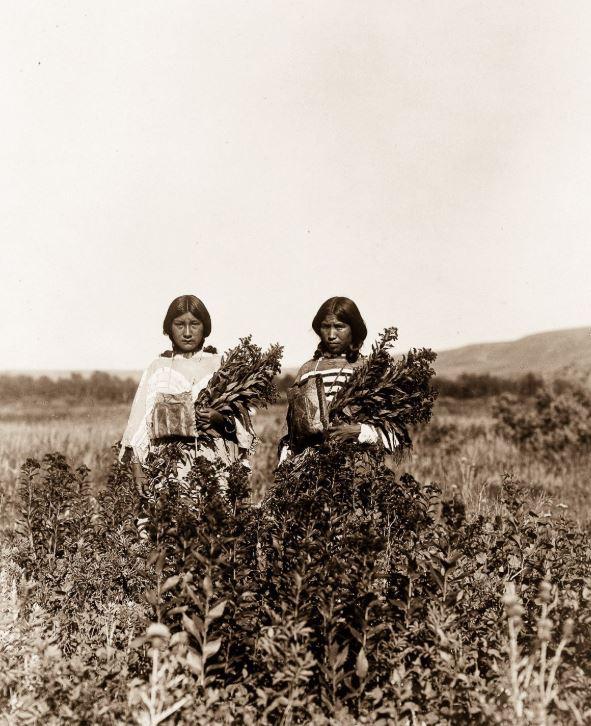
In addition to working in the timber industry, Native families pursued farming in order to keep their families connected to the land while providing economic support. A portion of Native families worked as tenants or sharecroppers, growing cotton and corn, the region's most common crops. Industrial-sized farming exploited Native Americans and proved economically unstable, yet allowed Native communities to remain rooted in rural areas where they could maintain family bonds and preserve Native culture. For example, some Native families lived on small farming plots or worked on farms owned by local landowners while continuing to live in nearby Native settlements or rural communities where relatives lived close together. The close community ties between the Alabama-Coushatta and Coushatta families living across East Texas helped sustain cultural continuity even as they adapted to ever-increasing economic demands. [5]
The Civil War played a significant role in shaping Native communities during the New South Era, as it disrupted local economies. The war displaced families and altered the social structures by destroying farms, interrupting trade networks, and forcing many communities to relocate or adjust their traditional ways of earning a living throughout the South, and many Native communities, such as the Alabama-Coushatta and other small Native communities such as descendants of the Caddo, Kickapoo families, Cherokee descendants, and Atakapa-Ishak descendants, experienced economic hardship during the Reconstruction period. Despite the difficulties they now faced, Native families rebuilt their communities and adapted to new economic conditions throughout the late 19th to early 20th centuries. The ability to recover highlights the resilience that characterized many Native communities during this period. [6]
The continued practice of traditions, religious beliefs, and community gatherings helped sustain Native American culture. Even as outside pressures encouraged assimilation, Native families often preserved their spiritual practices and cultural customs within private spaces. Oral storytelling, traditional celebrations, and community gatherings allowed cultural knowledge to be passed down from one generation to the next. Elders played a key role in teaching younger members of the community about their heritage, values, and history, helping ensure that cultural identity remained strong despite the challenges Native communities faced. Community organization also contributed to cultural continuity, as Native families relied on extended kinship networks that provided social, emotional, and economic support. These relationships strengthened collective identity and helped communities survive during tough economic periods. [7]
Overall, Native communities in and around Huntsville and Walker County demonstrated resilience and adaptability during the New South Era. Although industrialization, assimilation policies, and economic hardship created significant challenges, these communities continued to maintain their cultural identity and traditions. Many families adapted economically by working in agriculture and the timber industry while still preserving spiritual practices and strong community structures. Rather than disappearing during this period of change, Native communities in East Texas persisted and maintained their cultural heritage, showing that resilience and survival were central parts of their history.