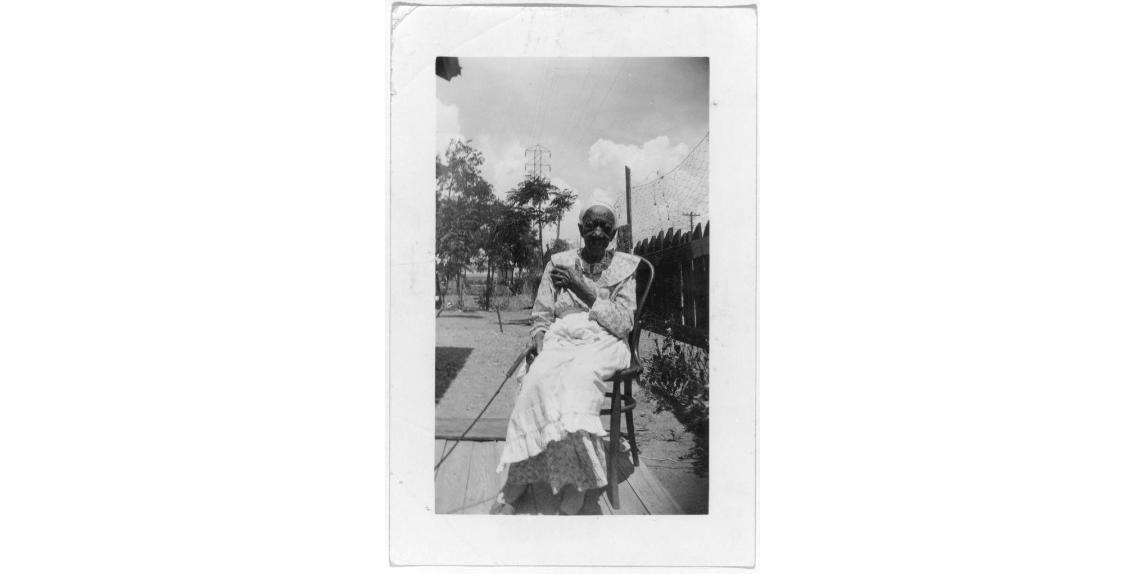
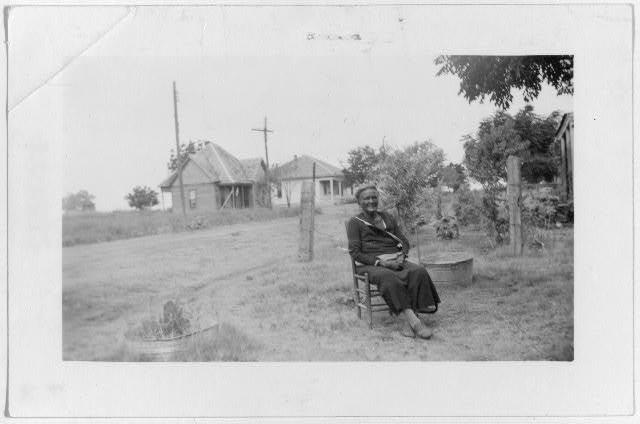
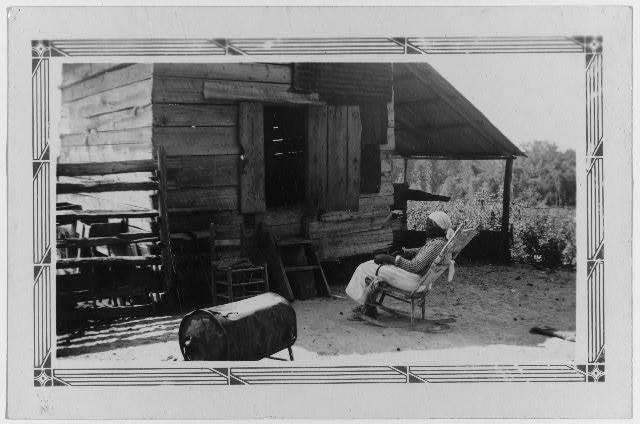
Slave Narrative of Emma Simpson
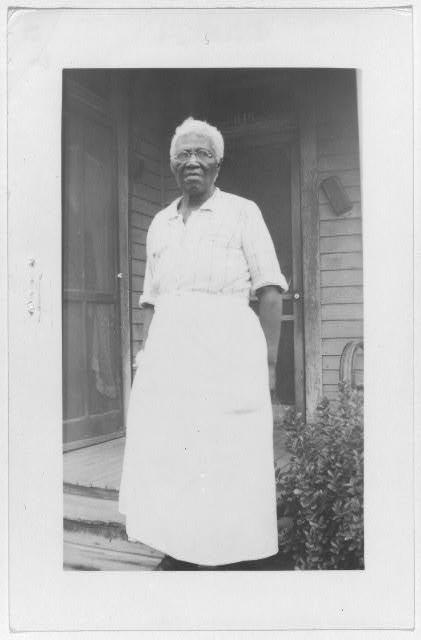
At the height of the Great Depression in the 1930s, interviewers working for the Federal Writers' Project interviewed over 2,000 formerly enslaved people. Emma Simpson represented one such former enslaved person who provided decades of information about life in Walker County in the nineteenth and early twentieth centuries.
Although uncertain of her age, Emma Simpson recalls being born eleven or twelve years before the Civil War. Born in Kentucky to Alex Brown and Annie Sue Brandson, she was separated at birth from her two sisters, Feline and Annie Sue Brown, and brother, Tom Brown, but would reunite with them once the war had ended. Her recollection of her master, Johnny Brown, and mistress, Miss Corrine Brown, wasn’t one full of hatred; she remembered them as being good people, for they never got mad or whipped their slaves and provided them with “good beds.” At a young age, Corrine taught Emma and other young enslaved children on the plantation to read and write their names and required that they and their families attend church every Sunday. As Simpson later recalled, “We was always taught to tell the truth and not to steal cause if we do, them bad things the old bad man will get us after we die.” [1]
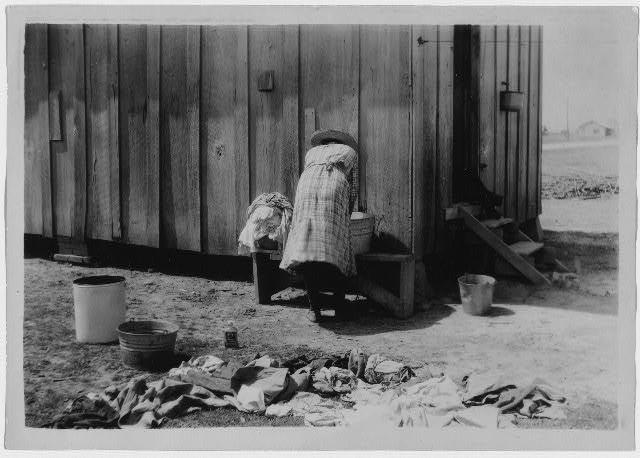
Emma's duties on the Brown Plantation included working in a five-acre garden, cooking, and looking over her mistress's only child, Annie Lee. Summer attire for surviving the heat consisted of “one dress open all the way down.” During the winter months, Simpson wore woolen clothing, and “the master would get us a pair of brogan shoes.” Saturdays were not a required labor day for the enslaved people on the Brown Plantation; Emma later remembered Saturday as her day to wash clothes and clean out the slave quarters. On Saturday nights, she would participate in dances, storytelling, ring games, and banjo picking. Simpson recalls celebrating on Christmas morning as well. Upon waking up, each enslaved person received a bag of candy and nuts from Santa Claus, accompanied by a big Christmas dinner and a cotton-picking contest, the winner of which would always receive an additional sack of candy and nuts. [2]
When wartime arrived, dances and suppers were organized in Huntsville to say farewell to white soldiers and enslaved African Americans who tended their owners at the battlefront. Simpson later recalled that she detested war “cause lots of our boy come home sick cripple and one legged one armed and so on.”[3]
After the Civil War, the big announcement reached her farm: Emma's master had returned home and broken the news of the legal end of chattel slavery. Simpson later remembered all the tears shed and the ceaseless talk “cause we thought he was the grandes man ever.” Brown offered African Americans who wanted to stay the chance to become sharecroppers who would work his land. As Simpson remembered, only one former enslaved man left. During Reconstruction, Emma married Ben Simpson; the two had 13 children, all of whom became farmers in East Texas. [4]
When freedom came, the federal government did not aid freedpeople with land or livestock. Most local African Americans remained farmers and, occasionally, loggers. However, the wages they received were barely enough to live on, even when accounting for the "little government pension" they received from Congress. Local whites allowed African Americans to vote; however, they still faced intimidation from the KKK. Simpson believed that Black citizens should have more privileges in voting since they held the same responsibilities as local white people. As she maintained, "There could still be lots of improvement yet. The negro is still a backward race of people here in the South."[5]
Images