Law and Order in Walker County, Texas (1830–1860)
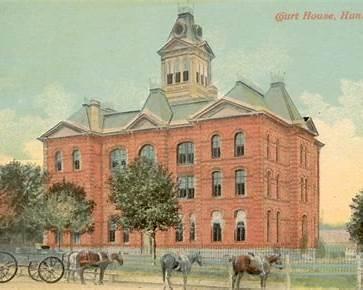
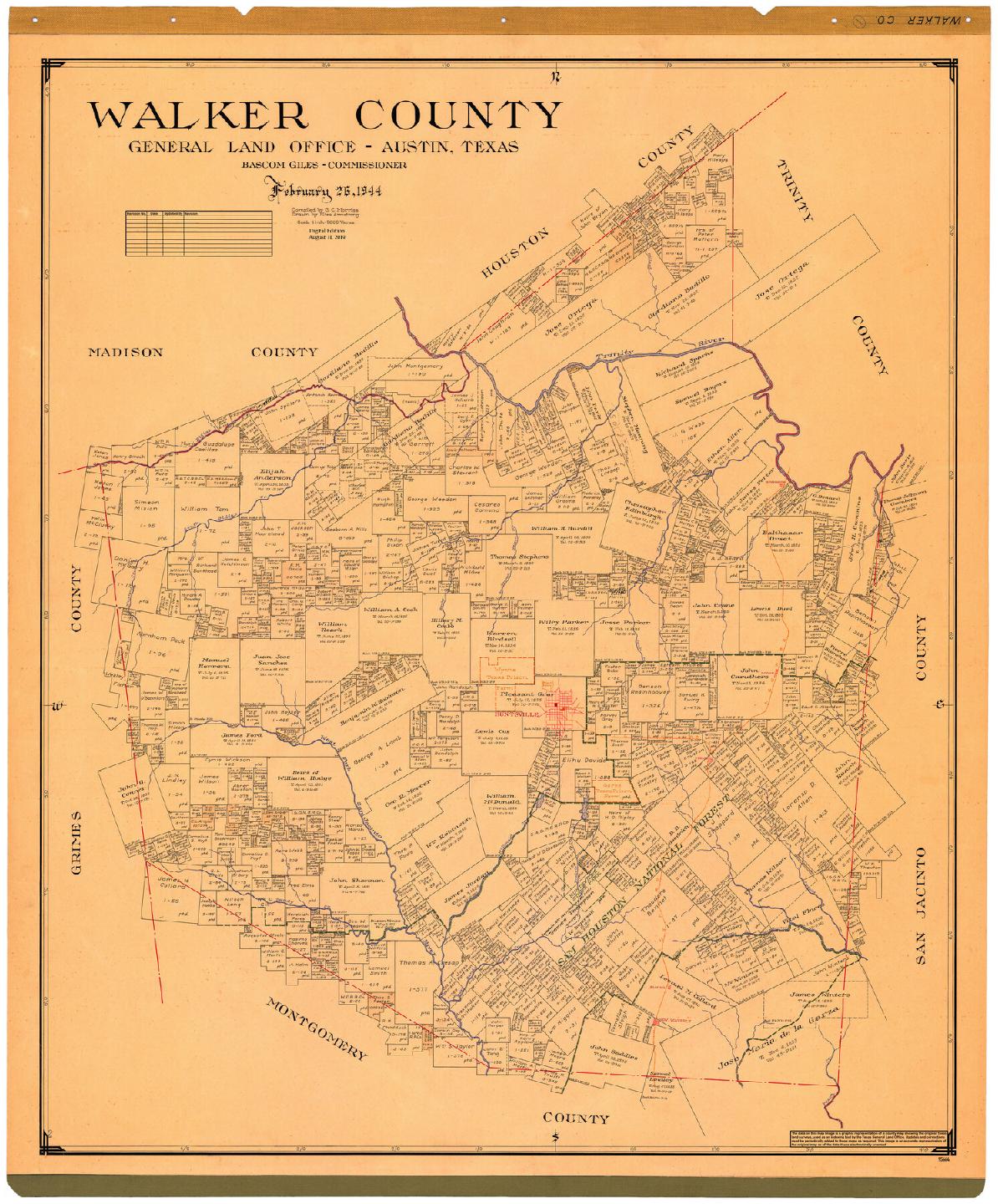
In the 1830s, Huntsville, Texas, grew into a frontier town, attracting many new settlers who created frequent disputes over land and authority. Early residents of what would become Walker County often struggled to resolve personal disputes and to manage a new legal system. (Walker County, 2021) Without clear ways to resolve conflicts, the area remained unstable, much like other parts of East Texas. To address these problems, the Walker County Courthouse was established as a recognized authority to settle disputes peacefully. The courthouse helped enforce community rules, deliver timely punishments, and maintain order, all of which were important for Huntsville’s growth. This marked the shift from informal frontier justice to a more organized local government. [1]
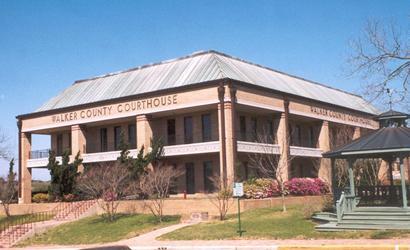
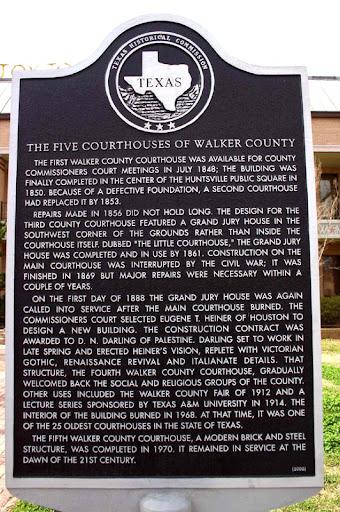
The first Walker County Courthouse was completed in the center of Huntsville's public square in 1850, marking Huntsville as the site of local centralized county authority. The courthouse’s symbolic significance extended beyond its physical convenience, serving as a visible affirmation of established law and governance. It played a fundamental role in maintaining civic order and provided a formal venue for resolving disputes. The presence of the courthouse enabled citizens to convene for court proceedings, elections, and public affairs. By legitimizing county law and discouraging private justice, this permanent institution facilitated Huntsville’s transformation into a stable and organized community, laying the foundation for effective law enforcement. [2]
The new courthouse became the primary venue for law enforcement and court proceedings in Walker County. It provided a central location for all legal matters, ensuring clarity and consistency in resolving disputes. The county sheriff proved integral in keeping order, making arrests, delivering legal papers, and enforcing the law throughout the area. These responsibilities were challenging yet crucial for maintaining peace. According to an annotated inventory of records at the Walker County Courthouse, court proceedings in the 1840s were formally documented, highlighting a shift from informal justice to a more structured legal process handled by county officials in Huntsville, Texas. By centralizing legal matters at the courthouse, settlers moved from relying on unofficial customs to a more organized and trustworthy system. [3]
Cases at the Walker County Courthouse showed the kinds of problems settlers faced every day. As more people moved to Huntsville, arguments over land, property lines, and resources happened more often. Many settlers claimed land that had not been fully surveyed, so they needed official decisions to settle conflits. Complicating these disputes were broader Texas land policies and Mexican land grants, which created confusion and overlapping claims. The differences in territorial law made formal adjudication by the courthouse essential to clarifying ownership and resolving conflicts. Without the courthouse to settle these issues, people might have turned to violence or long-lasting feuds. The Regulator–Moderator War, a land feud in East Texas counties such as Harrison and Shelby from 1839 to 1844, showed how serious disputes like assaults and fights sometimes had to be handled by law enforcement. Local courthouses became central places where accusations were addressed and decisions made, demonstrating that it was county officials, rather than individuals, who were responsible for legal matters. Using formal legal steps set clear rules for behavior and helped create a more stable community. [4]
According to County Progress, the first Walker County Courthouse was completed in the center of Huntsville’s public square in 1850, providing a formal venue for county commissioners and helping establish a system based on written laws and official authority. Before this, local order was often maintained through informal agreements and temporary solutions that sometimes failed and intensified disputes. Bringing in formal court hearings and written laws made the county's government more trustworthy. With legal authority in a permanent building, justice followed clear rules, and community expectations became clearer. According to Angela Orlando, the cornerstone of the 1888 Walker County Courthouse can be found on the courthouse lawn, encased in bricks from the old courthouse. Its presence showed Huntsville was changing from a temporary settlement to a lasting community. As people trusted the local government more, the town grew, and business increased. Law and order, supported by the courthouse, became a key part of Huntsville’s identity and growth. [5]
Images