Filed Under Walker County

Old Waverly: Founding and History
Just southeast of Huntsville, in Walker County, lies the town of Old Waverly. Though small, this community carries a history that dates back before the Civil War. The streets of Old Waverly contain markers of its history that demonstrate the growth, changes, and migrations the town has hosted and endured.

The origins of New Waverly date to 1834, when the Winters family arrived from Alabama. In 1834, James Washington Winters and John F. arrived in East Texas from North Carolina and Tennessee, respectively. The following year, the rest of the Winters family, including James’s wife, Rhoda Creel Beal, and their children James, Washington Winters, William Carvin, Mary, Carolina, Orin Lemon, John F., Nancy, Sallie Dursilla, Benjamin Franklin, Lillie Ellen, Billington Taylor, Willis, and Susan Bernice Winters, joined them. Upon settling, James prepared the land for agriculture and constructed a homestead. Over the coming years, additional families and individuals migrated to the area, attracted by the availability of cheap farmland. [1]

In 1851, Colonel John C. Abercrombie, who was also from Alabama, stumbled into the area in search of a place to reside and obtain land. Following Abercrombie, many more people, including planters and enslaved African Americans, migrated to the region with the same ideas. Settlers arrived in Old Waverly by horseback and by wagon, carriage, and buggy along land routes. William P. Fletcher was among the many who stumbled upon the region in 1851, and after a few years, he moved his family and several friends to the Waverly area. Fletcher bought hundreds of acres of land in the Walker County area. More enslaved people were brought into the area at this time and were forced to build homes, chop wood, and dress logs. [2]

As the region grew into a community with families continually arriving, the year 1852 saw the population reach just over 300. With the town’s population on the rise, settlers started to clear land for crop production. Cotton farming soon becomes a staple, making Waverly a smaller version of the slave-plantation system that settlers had imported from Alabama. Enslaved African Americans worked hard to produce not only cotton but also a variety of crops, including vegetables and fruits. These plantations also supplied the local community with meat, butter, eggs, milk, and nuts. [3]

Once plantations began operating, they relied on cotton gins. The cotton gins used on each plantation were timber-framed and powered by mules or oxen. After cotton harvests, planters sold part of their crop for profit and distributed the rest to the surrounding population. [4]

As agriculture became more successful, businesses and institutions began to sprout and flourish. In 1855, Waverly’s first post office opened and operated for only 17 years. [3] In 1856, the Texas legislature passed a law creating the Waverly Institute, the first town in Old Waverly. The school boasted a large student body culled from the surrounding area and soon became a reputable institution. Colonel John Hill oversaw the school’s first teachers, including Miss Shackleford, Mr. Davis, and Professor C. Gustav Fitze. These educators strengthened the institute, which in turn benefited the Waverly community. The school was split into two buildings, each one a different academy. One became the female academy, while the other structure was reserved for the male academy. [5]

By the 1850s, Old Waverly had a surging population, new construction, and a thriving business class, as noted on July 10, 1858. John R. Johnson completed his survey of the community, and city leaders incorporated the town. Settler Maxey Lewis named the town after the novel Waverley by Sir Walter Scott. Today, the small community is known as Old Waverly because settlers established New Waverly, Texas, just west of the town.

Images
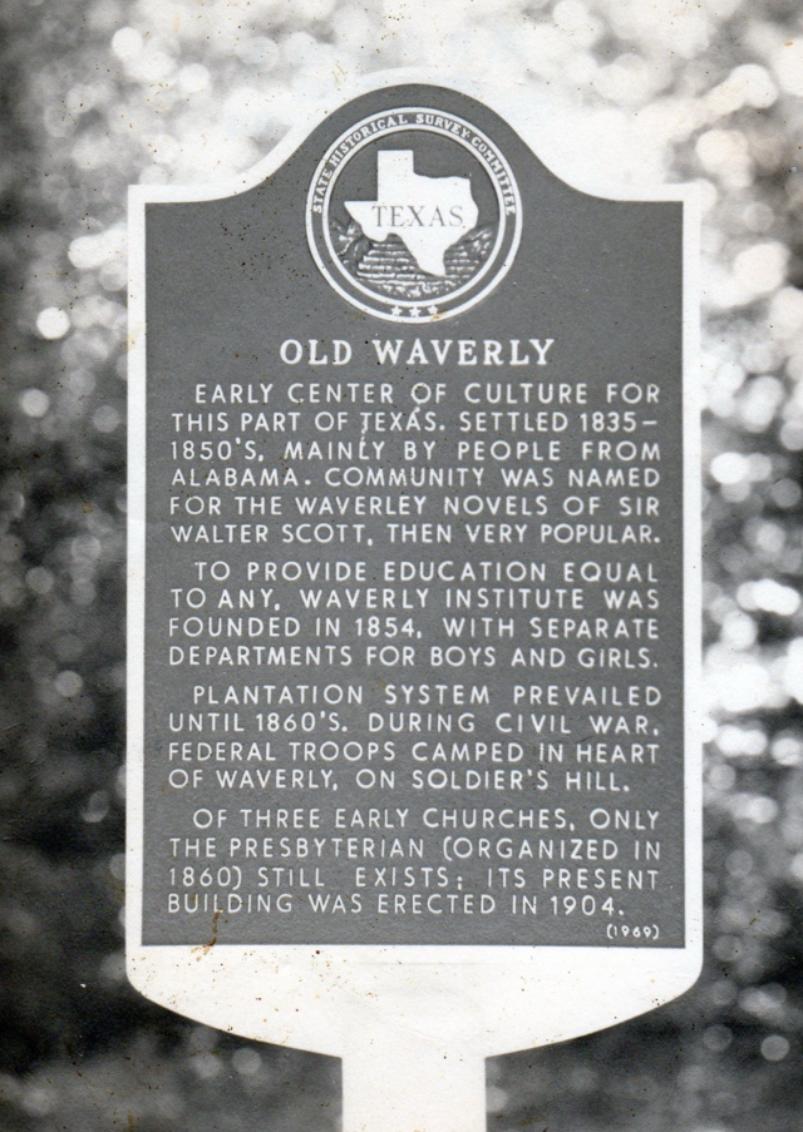
Old Waverly, Texas Historical Marker
Old Waverly, Texas Historical Marker The historical marker describes different aspects that Waverly endured from 1830s to early 1900s. Starting in 1834, early settlers came from Alabama, starting with members of the Winters family. Settlers would bring slaves to the region with them, and after clearing farmland, soon after arose plantations. For a short period of time, the plantations became main providers of food and cotton for the community. In the early 1860s three congregations made their start, a Methodist, Presbyterian, and an Episcopalian. During the Civil War a Polish Jew by the name of Meyer Levy, who was a respectable merchant and store owner in the area, was a blockade runner. Source: https://oldwaverlytexas.com/2019/08/18/example-post/
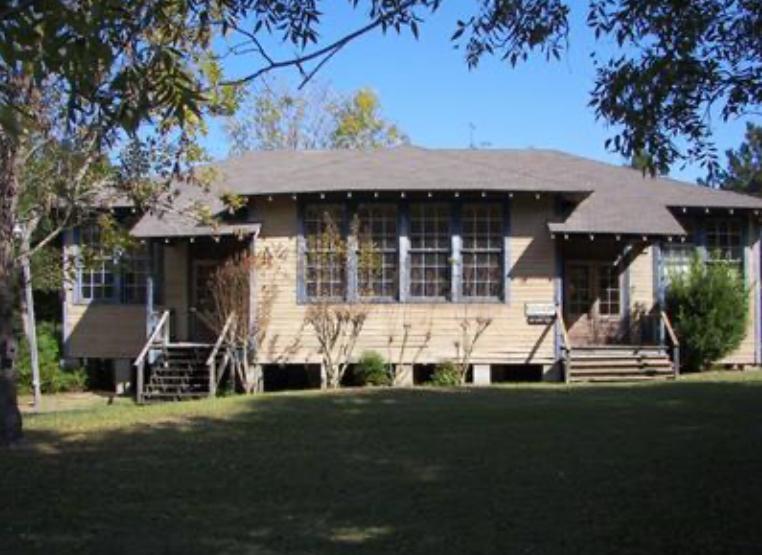
Old Waverly, Texas Schoolhouse from 1921. Now standing in Coldspring, Texas.
Old Waverly, Texas Schoolhouse from 1921. Now standing in Coldspring, Texas. This two room schoolhouse from 1921 now resides in Coldspring, Texas. Before Waverly, Texas was founded in 1858, the first school that was ever established in the Waverly area was the Waverly Institute in the year 1856. Not only did students living in Waverly attend, the institute attracted many students from different regions surrounding Waverly, and even from counties and towns farther away. This was due to the great reputation the school held in terms of education. The educators of Waverly Institute involved the following: Miss Shackleford, Mr. Davis, and Professor C. Gustav Fitze. Waverly Institute had been divided into two academies, one for female students and the other for male students. Source: https://newwaverlycommunitynewsandevents.wordpress.com/2018/07/09/waverly-texas-the-old-and-the-new/
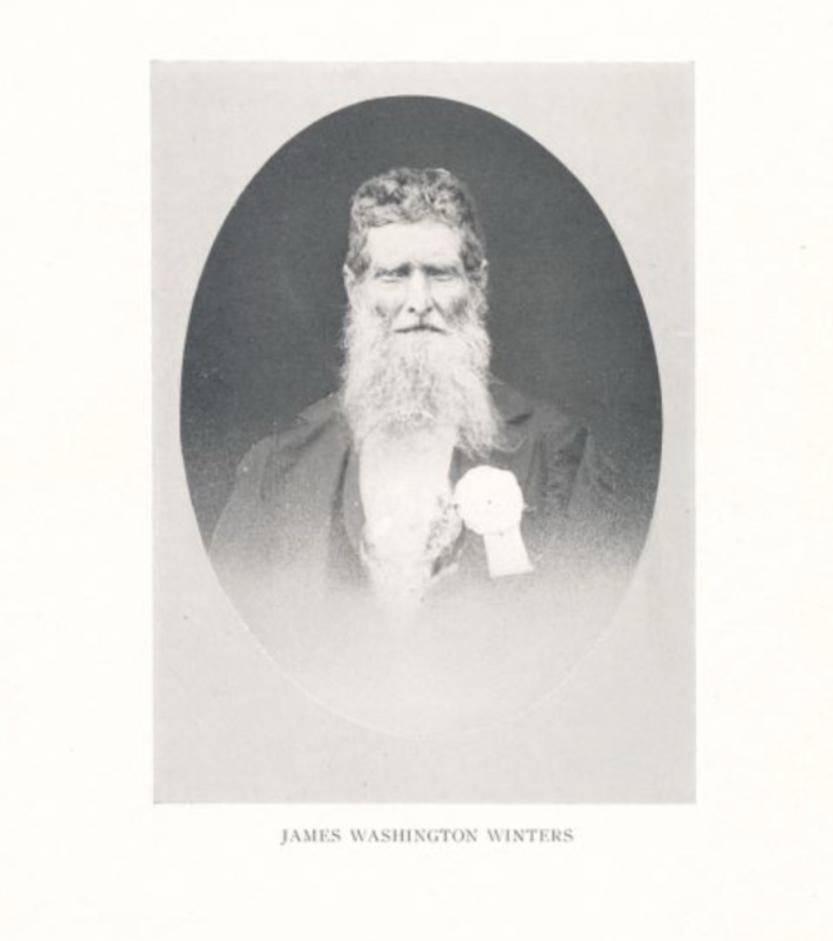
James Washington Winters (January 21, 1817- November 15, 1903)
James Washington Winters (January 21, 1817- November 15, 1903) James Washington Winters was the first settler of Waverly, Texas in 1834, along with his brother John F. Their father was James Winters, who was born in 1773 and fought in the War of 1812. His mother was Rhoda Creel Beal, and the two married in the year 1808 and became parents to14 children including James W. Winters and John F. After the two brothers discovered and settled in the region, the entire family moved their life to Waverly in 1835. Later that same year the the whole family had come to Waverly, James Winters and the brothers of the family volunteered to serve at the Siege of Béxar. Source: https://www.sanjacinto-museum.org/Discover/The_Battle/Veteran_Bios/Bio_page/?id=909&army=Texian
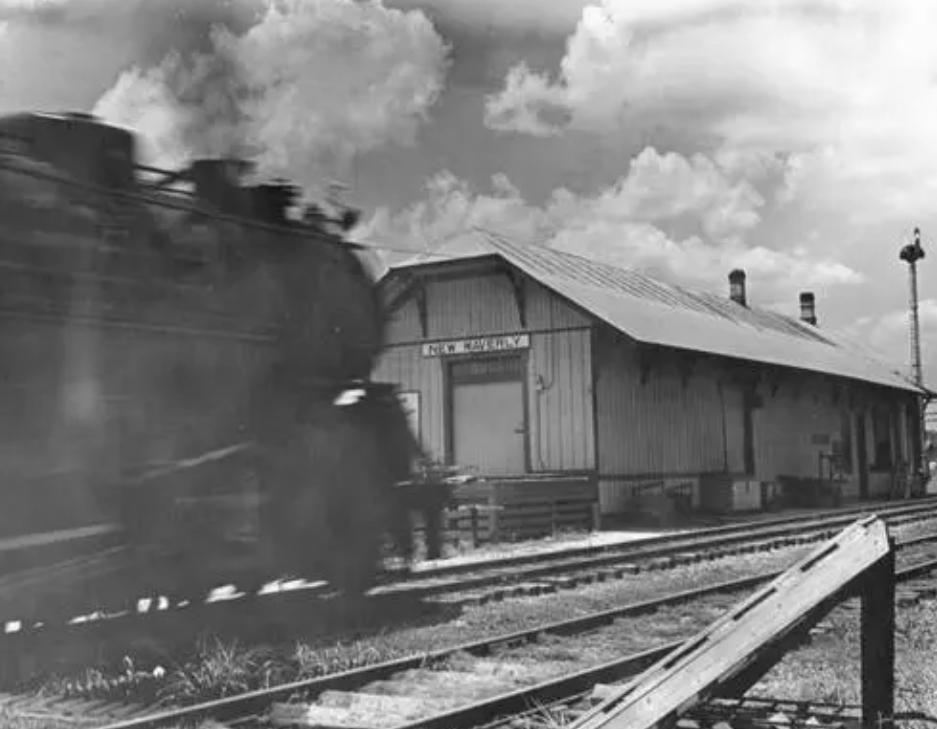
Waverly Station 1870
Waverly Station 1870 When the Houston and Great Northern Railroad Company was moving through the area, Waverly locals had refused to the company’s offer to let the railroad run through the town. Unfortunate, this became the main reason that the town faded and was given the name Old Waverly. Eventually the railroad ran through west of the town, just about ten miles away. This lead to the establishment of Waverly Station in 1870. This began to attract people to the area of the station and brought in new residents. This region became known as New Waverly. The station gave way for people to be able to stay in contact with others. Source: https://www.texasescapes.com/EastTexasTowns/New-Waverly-Texas.htm
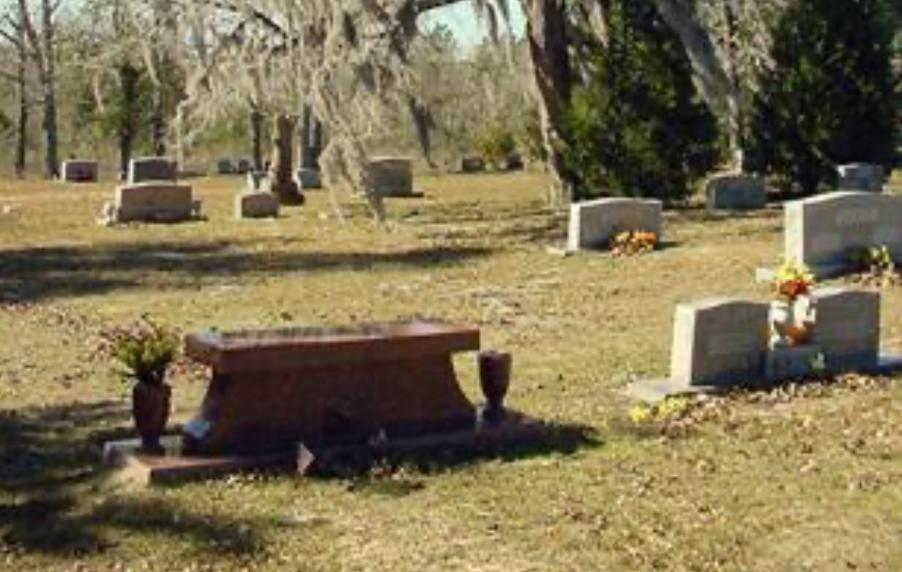
Waverly Cemetery
Waverly Cemetery Waverly has seen many families, merchants, and soldiers pass through and settle. While the town did have a short period of thriving, Waverly now mainly holds the cemetery and a church. The population that once occupied the region included families from Alabama and polish immigrants. The cemetery lays on a piece of land that had been bought out in the year 1853 by Mary M. Lewis, James E. Scott, Laura A. Scott, and Milly D. Scott. The burial site has been a resting place for those who came to Waverly and lived through the town’s time of prosperity before the Civil War and new railroad system. Source: https://www.texasescapes.com/EastTexasTowns/Old-Waverly-Texas.htm

Location

Map

Metadata

Reagan Galloway, “Old Waverly: Founding and History,” East Texas History, accessed October 1, 2026, https://easttexashistory.org/items/show/418.