The Lasting Legacy of John W. Thomason Jr.
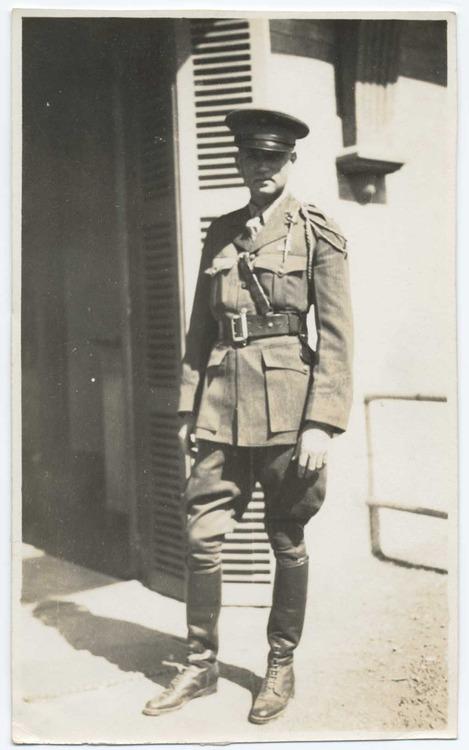
Small towns often produce notable individuals. Huntsville native John W. Thomason Jr. represented one such person. A Marine Corps officer, author, and illustrator, Thomason’s accomplishments brought him great attention both from Huntsville residents and people across the nation.
Born on February 28, 1893, to a well-known local family, John W. Thomason Jr. grew up in Walker County. His father, Dr. John W. Thomason Sr., was a physician and civic leader. Growing up in Huntsville, John Thomason developed an early interest in learning, art, and storytelling. He attended many institutions, including the Sam Houston Normal Institute (now known as Sam Houston State University), from which he earned a teaching certificate in 1911. Thomason started his professional career as a teacher and school principal before pursuing a career in journalism and writing. His passion for education and literature would later shape his contributions to American culture. [1]
Thomason’s life took a dramatic turn when the U.S. entered World War I. In 1917, he enlisted in the United States Marine Corps. His superiors immediately dispatched him to a combat role on the Western Front. Over the course of his military career, Thomason participated in major battles such as Belleau Wood and Château-Thierry. His bravery during the war earned him several prestigious honors, including the Navy Cross, the Silver Star, and the Purple Heart. These experiences had a significant impact on Thomason’s writings, which frequently portrayed the bravery of Marines in combat. [2]
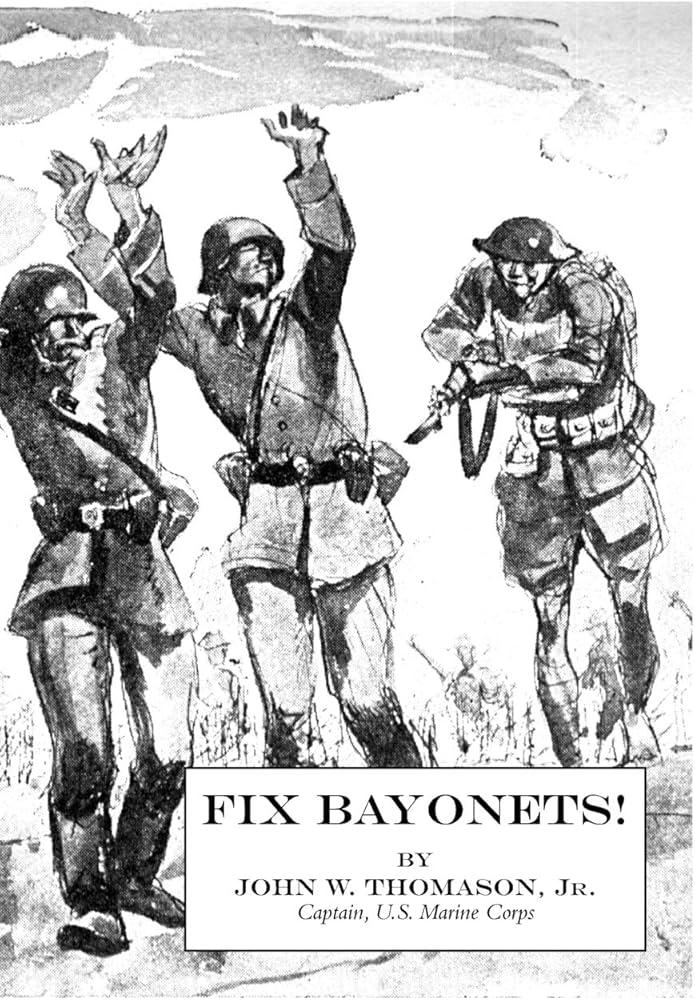
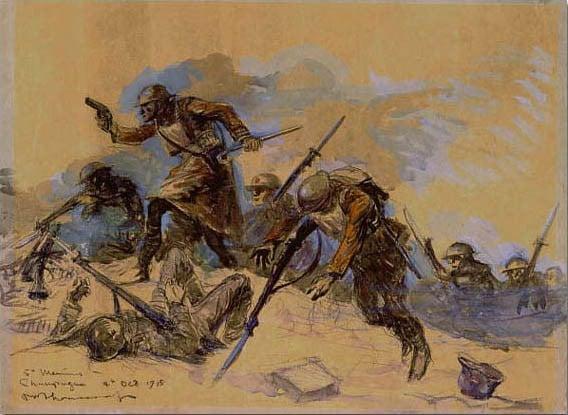
Apart from his military service, Thomason also became famous as a writer and illustrator. Thomason authored eleven books and over sixty articles and short stories. His writings included overall military life and Texas history. Thomason’s most famous book, "Fix Bayonets!" (1926), was based on his experiences during World War I. His book gave readers a vivid description of the Marine Corps in World War I. His writings also included his illustrations, allowing readers to see history from his perspective. Thomason also wrote "Gone to Texas" and "Lone Star Preacher", which demonstrated his love for his home state of Texas. Thomason’s writings allowed him to share with Americans the raw history of American soldiers and Texas. [3]
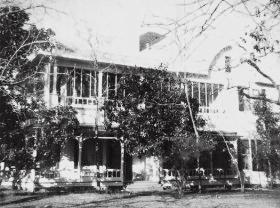
While Thomason’s fame gained national attention, Huntsville continued to honor and preserve his legacy. Thomason’s childhood home still stands in the city, and it is listed in the National Register of Historic Places. Additionally, Sam Houston State University houses Thomason’s manuscripts, drawings, and other materials in its special collections library. The university has also named a campus building after him to honor his achievements. These are just a few of the honors that show how proud the city of Huntsville is of one of its finest citizens. [4]
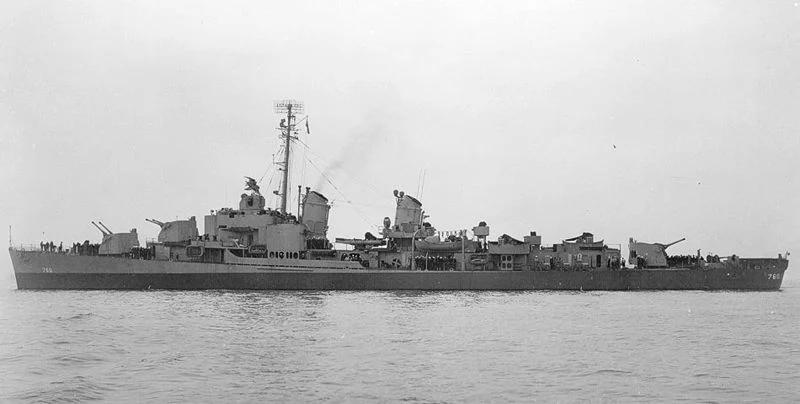
Thomason’s fame only continued to grow after his passing in 1944. As a way of acknowledging his service and contributions, a U.S. Navy destroyer was named USS John W. Thomason, continuing to faithfully honor his legacy within the military organization he so lovingly served. Thomason’s writings remain important historical records, documenting the lives of American Marines and the Texan culture of the early twentieth century. [4]
In conclusion, John W. Thomason Jr. stands as an important figure in Huntsville’s history. Through his military heroism, artistic talent, and dedication to storytelling, he not only shaped American military literature but also brought pride and recognition to his hometown, his home state, and his home country. Today, Huntsville continues to celebrate his achievements, reminding future generations that even individuals from small communities can leave a powerful mark on national history. [5]
Images