Jane Ward
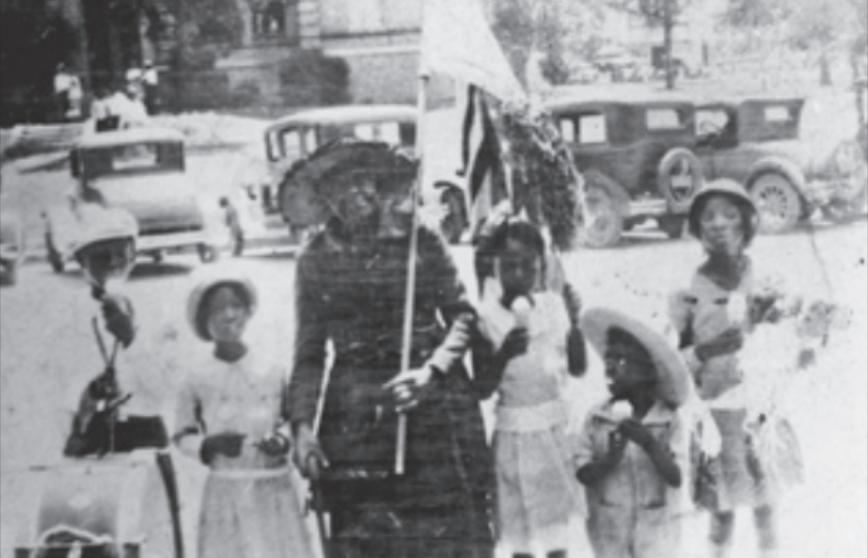
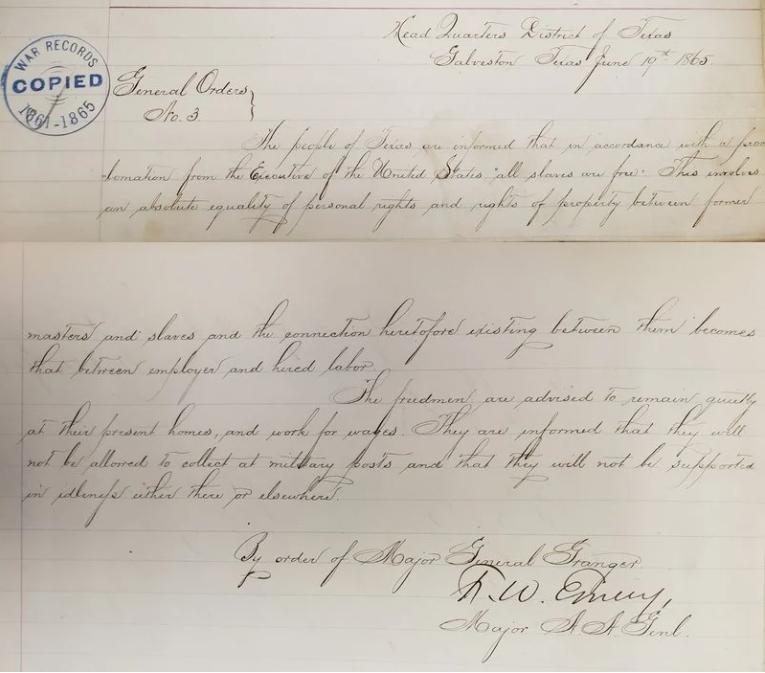
Born in 1850, Jane Ward, a freed slave known locally as both “Aunt Jane” and the “good Samaritan," played a crucial role in the annual organization of the Juneteenth celebration on Emancipation Day. Also known as “Juneteenth” or “Freedom Day," this federally recognized United States holiday commemorates the arrival of General Gordon Granger to Galveston on June 19, 1865, two years after President Lincoln's emancipation proclamation, with the issuance of General Order No. 3, which declared all African American slaves in Texas free. The news spread around Texas, reaching approximately 250,000 slaves. After the war, Juneteenth rallies served not merely to celebrate freedom but to remind African Americans of their voting rights. Under the Freedmen's Bureau's leadership, the first Juneteenth celebration took place in Austin in 1867. [1]
Despite such a promising beginning, the outbreak of a yellow fever epidemic in Huntsville from 1867 to 1869 delayed the planning of future Juneteenth events. However, in 1872, Huntsville’s African American community held its first Juneteenth Celebration. Within a short time, this holiday became an annual event. Jane Ward started the initiative, who was already well-known for providing care for the sick and impoverished while operating a hotel for Black visitors in Huntsville, earning the title of “Good Samaritan” for her compassion and willingness to help others. [2]
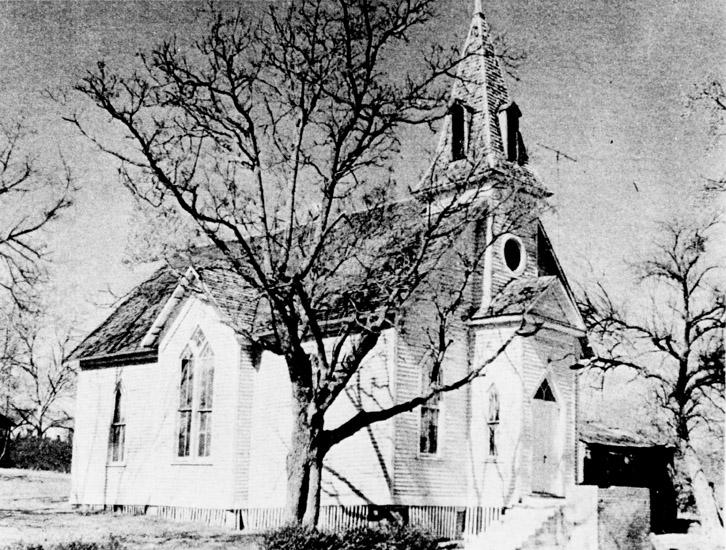
Union Church, a Methodist and Baptist institution established in Huntsville by the free African American community following emancipation in 1865, sponsored the first Juneteenth events in Walker County. When Union Church split into three separate churches in the 1910s and 1920s, Ward organized young children to carry out an annual Juneteenth celebration at "Sims Grove," a picturesque location close to the city's cemetery, followed by a march through the town. Alongside Ward, David Williams, a Black co-founder of the “Band and Park Association” in Huntsville and a music instructor, collected funds through band concerts and selling share certificates to purchase “Sims Grove” and rename it “Emancipation Park." [3]
Unlike most freedmen, who lacked formal education and remained busy with farming, Ward and Williams, as “exceptions,” could use their advantages to engage in community activism. Jane worked alongside other former enslaved African Americans, such as Bishop Ward, C. W. Luckie, and local whites. This enhanced African Americans' access to economic and educational opportunities and helped them secure land. In 1931, the acquisition of the nine-acre Sims Grove park was successful with the assistance of Robert A. Josey, a wealthy white man who helped pay off the loan for the site. [4]
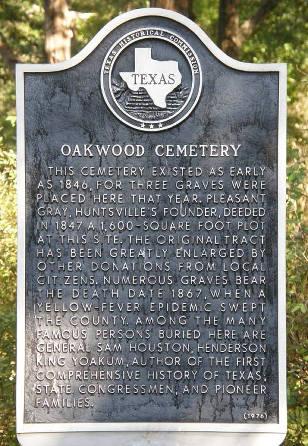
Ward passed away in 1931 and was buried in the “New Cemetery" of Walker County, formerly known as the “Negro Cemetery," a strip of land reserved for African Americans. This place was known for the unmarked graves of slaves buried by pioneer settlers. As the Huntsville Item once noted, “many prominent Black Huntsville citizens are buried here.” Local city planners expanded the “Negro section” in 1887 and again in 1910. Thanks to this advancement, Ward's grave was marked and given a proper burial. [5]
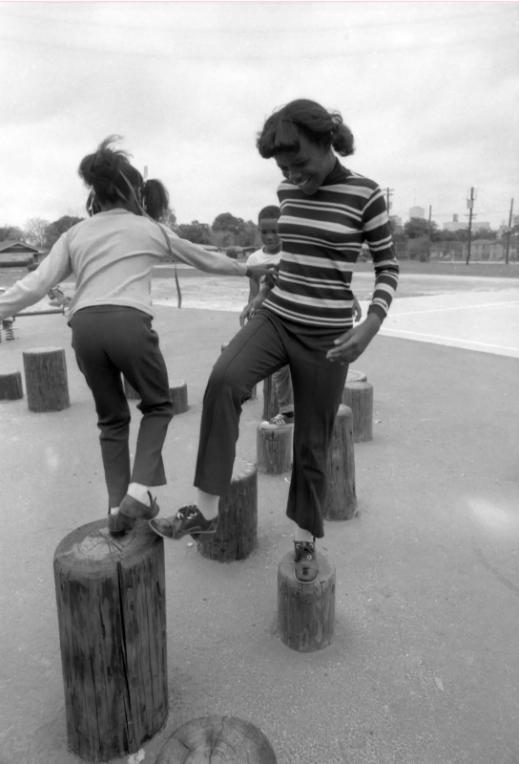
Two years after Ward's death, on June 21, 1933, Williams and other African American leaders dedicated Sims Grove “for the pleasure, recreation, and benefit of the colored people of the City of Huntsville.” Juneteenth celebrations continued to evolve over the years, including the “Juneteenth Freedom” buttons worn by students in Atlanta, Georgia, during the civil rights movement in the 1960s. Besides the advancements, Jane will always be remembered for her perseverance in organizing the initial yearly festivities.
Images