The Murder of Sam Jenkins and the Rise of Black Excellence in Reconstruction‑Era Walker County
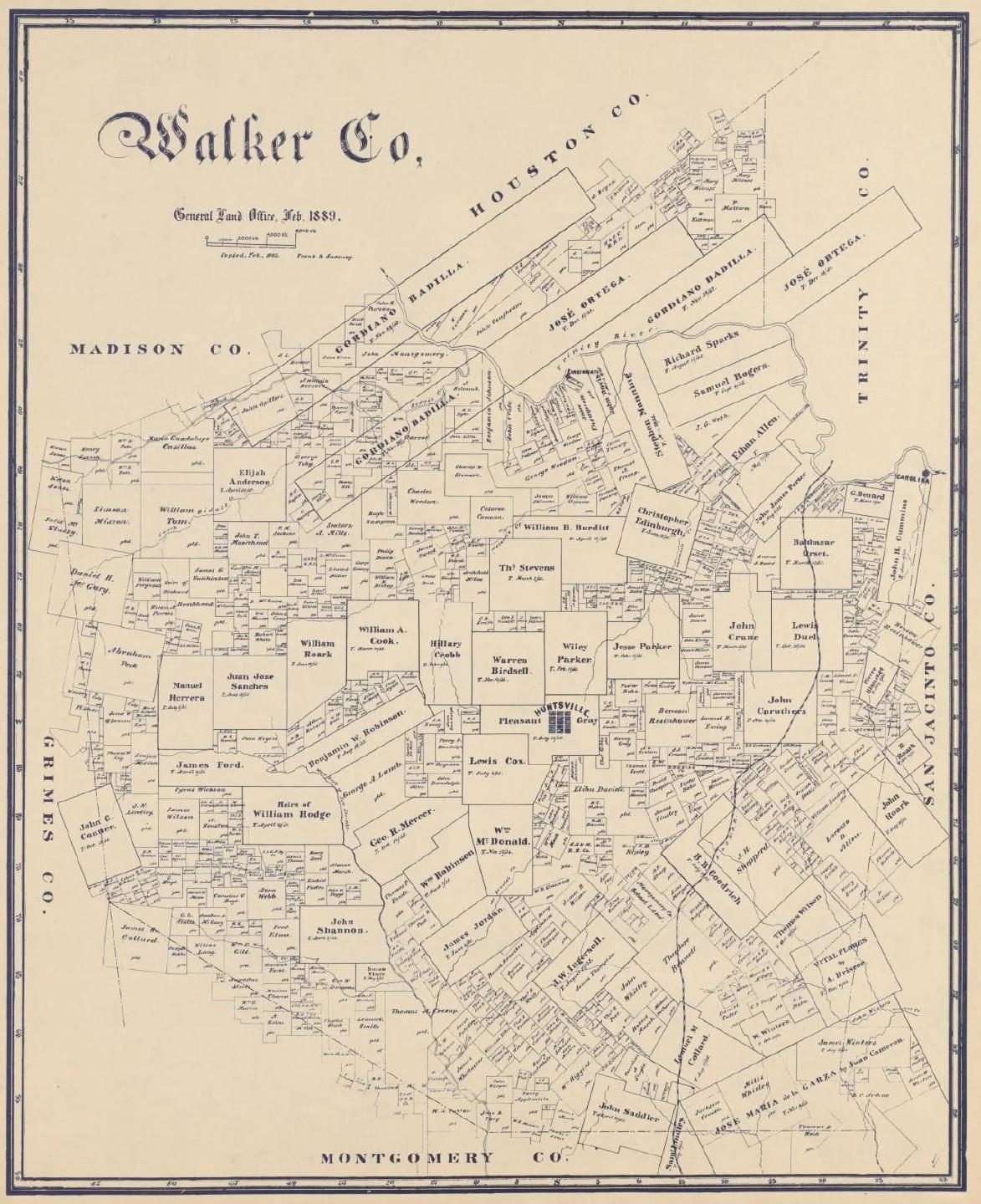
In the first years after the Civil War, Walker County sat on a fault line where emancipation met entrenched Confederate loyalties. Freed people pressed for their new civil rights in courts, churches, and schools, while many white residents resisted federal authority and the interracial democracy promised by Radical Republicans in Congress and the creation of the 13th, 14th, and 15th Amendments to the U.S. Constitution. The flashpoint came with the murder of a freedman, Sam Jenkins, in 1871, which led to a cascade of violence, courtroom chaos, and martial law that followed. Together, these events expose how fragile justice was in a county struggling to redefine citizenship in the wake of slavery [1].
Sam Jenkins had recently testified against several white men in an assault case when his body was discovered along a road outside Huntsville in December 1870. The killing fit a grim pattern across the postwar South: retaliatory violence intended to punish Black witnesses and suppress Black participation in the legal system. State Police Captain, Leander H. McNelly, investigated and arrested four white suspects: Nathaniel Outlaw, Joseph Wright, Fred Parks, and John “Mac” McKinley Parish [2]
Tension was already high when District Judge J. R. Burnett acquitted Parks and found the other three guilty on January 11, 1871. Before the men could be jailed, gunfire erupted in the courtroom, and Wright and Parish escaped with the help of local citizens, although Outlaw was recaptured. The very space meant to symbolize the rule of law became a battleground, undermining the fear faced by freed people and officials meant to enforce it [3].
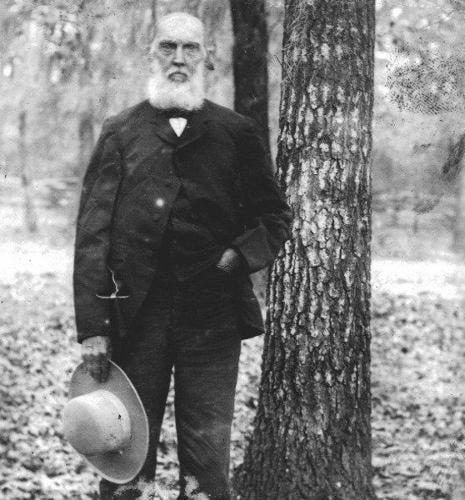
Governor Edmund J. Davis, a Radical Republican committed to public order and Black civil rights, decided to declare martial law even before the courtroom confrontation. After further pleas for troops, he dispatched Adjutant General James Davidson to Huntsville with authority to impose military rule, which Davidson did on February 20, 1871, creating a court-martial two days later. In the ensuing military trials, ten citizens were charged and seven convicted for offenses ranging from aiding the escapees to ignoring a unit call. Outlaw was given a five-year sentence; Sheriff Cyrus Hess was fined for negligence. Davis’s decision made Walker County one of only three Texas counties placed under martial law during Reconstruction, a stark measure reflecting both rampant lawlessness and the limits of civil authority in the face of white supremacist resistance [4].
Although most defendants were pardoned by the end of March 1871, the case left deep scars. Local taxes were increased to the cost of the military trials, totaling $7,621.09 (about seventy-five cents per resident), fueling further resentment. Outlaw even filed a lawsuit against the governor and adjutant general, briefly securing a $20,000 judgment that the following year overturned. In public memory, the “Walker County Rebellion” became a touchstone for competing narratives: Republicans claimed that firm action protected freed people and stabilized the courts, and Democrats claimed that state power trampled local rights [5].
Jenkins’s murder and its aftermath illustrate several Reconstruction realities. First, Black participation in legal processes, such as testifying, serving as parties, and demanding accountability, provoked violent responses precisely because it threatened antebellum hierarchies. Second, local white allies often facilitated defiance of the courts; Wright and Parish did not simply slip away, but they were aided by townspeople, signaling community endorsement of impunity in racially charged cases. Third, the state’s intervention, though extraordinary, was not unexpected. The Davis administration had already confronted armed resistance elsewhere, and historians using the governor's papers and contemporary records argue that the imposition of martial law in Walker County responded to genuine insurrectionary conditions.
A key context to keep in mind is the influence of Lost Cause narratives during Reconstruction. These stories weren’t just harmless and nostalgic; they actively reshaped how people understood the war and its aftermath. White southern writers and politicians promoted an image of Reconstruction that painted federal officials, Black leaders, and northern reformers as corrupt, incompetent, or dangerous. Many Reconstruction figures, such as Thaddeus Stevens, became caricatures, deliberately exaggerated to win sympathy from white northern audiences and to stoke resentment among white southerners [6].
One of the most common tools in this rhetoric was the label “carpetbagger.” Southerners used it to discredit anyone from the North who supported racial equality or tried to rebuild Southern governments along biracial lines. Calling someone a carpetbagger wasn’t just an insult — it was a strategy to delegitimize the very idea of shared political power in communities where many white residents refused to accept Black testimony or federal authority. This messaging helped justify resistance to Reconstruction in places like Walker County, where attempts to enforce the rule of law were constantly undermined by white supremacist backlash [7].
The story of Walker County is not only one of violence; it is also one of remarkable Black self-organization. Even as Jenkins’s murder exposed the danger of asserting rights in white-dominated spaces, African Americans in and around Huntsville were building parallel infrastructures of safety, schooling, and civic life that would endure beyond Reconstruction.
East of town, George Washington Grant and his allies helped create Grant’s Colony. Beginning in 1866, a community of several hundred freed people united to establish a school guided by religious commitments to education and interracial harmony. Teachers Hannah and Edward Williams documented the colony’s steady growth in literacy and civic participation despite countywide unrest and the later defunding of public schools. Their work shows how freed people fused educational aspirations with communal autonomy to mitigate the daily risks of the era [8].
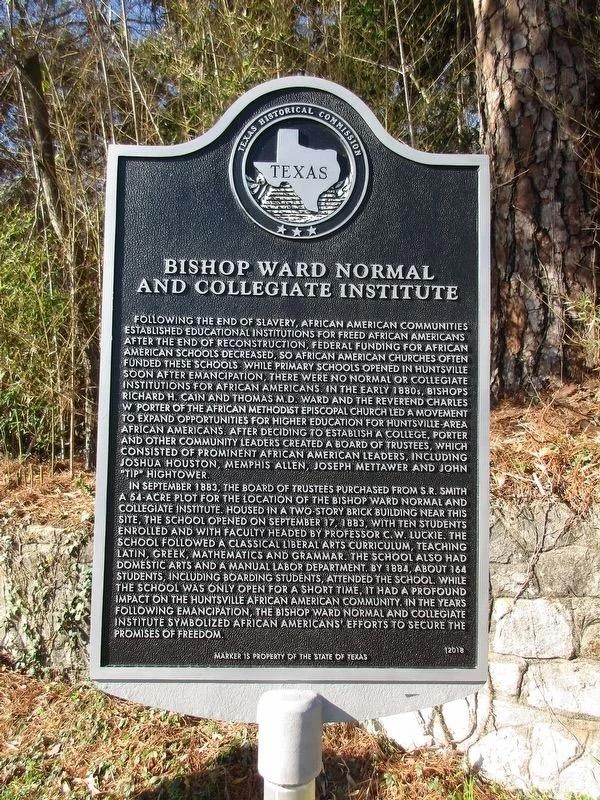
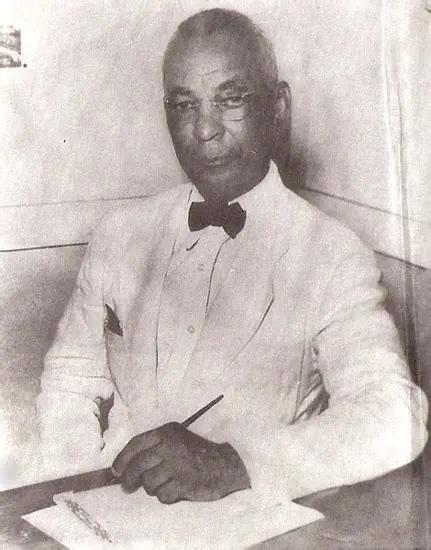
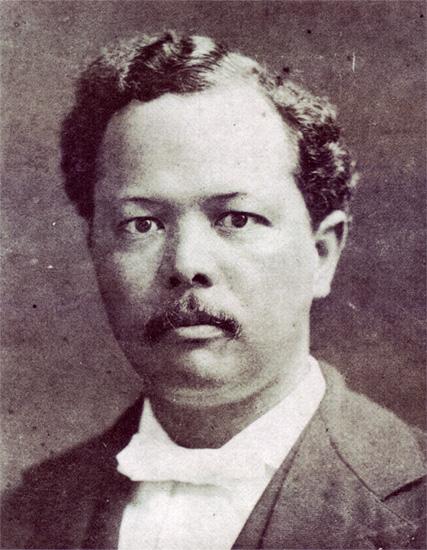
By the early 1880s, after Reconstruction ended, Huntsville’s Black leaders included Joshua Houston, formerly enslaved by Sam Houston, and educator Charles W. Luckie, who helped launch Bishop Ward Normal and Collegiate Institute under the auspices of the AME Church. The school opened on September 17, 1883, with Luckie serving as head of the faculty and offering a classical curriculum in Latin, Greek, mathematics, and grammar. Enrollment climbed rapidly, and although the school closed within a decade due to lack of funding, its presence symbolized the community’s insistence that Black rights must include access to higher education. The Texas Historical Commission’s marker today emphasizes Bishop Ward’s lasting imprint on Huntsville’s Black educational landscape [9].
Luckie’s career, later at Prairie View and on Huntsville’s school board, combined with that of Samuel Walker Houston, a former pupil who founded an influential county training school in the early twentieth century. Houston’s institution combined industrial training with music and the humanities and drew support from national philanthropic funds. By the late 1920s, the institution enrolled over 400 students and later integrated into the public system, with Houston serving as the supervising principal. Such institutional legacies testify that, even as courts and sheriffs faltered in the 1870s, Black educators and organizers were quietly laying scaffolding for the next generation’s civic participation [10]
Walker County’s Reconstruction drama complicates simple stories of “federal overreach” or “Southern redemption.” The Jenkins case, the courtroom shootout, and martial law together show a state struggling to protect freed people and uphold verdicts against determined local resistance. At the same time, grassroots Black communities built schools and neighborhoods that embodied the promise of freedom. Remembering both threads, coercive state protection on the one hand and community self-help on the other, helps explain how racial hierarchy was challenged, reasserted, and reworked in the 1870s and why the struggle for equal justice in Texas would continue long after the soldiers went home.
Images