Early Settlement and contributions of the Smither Family
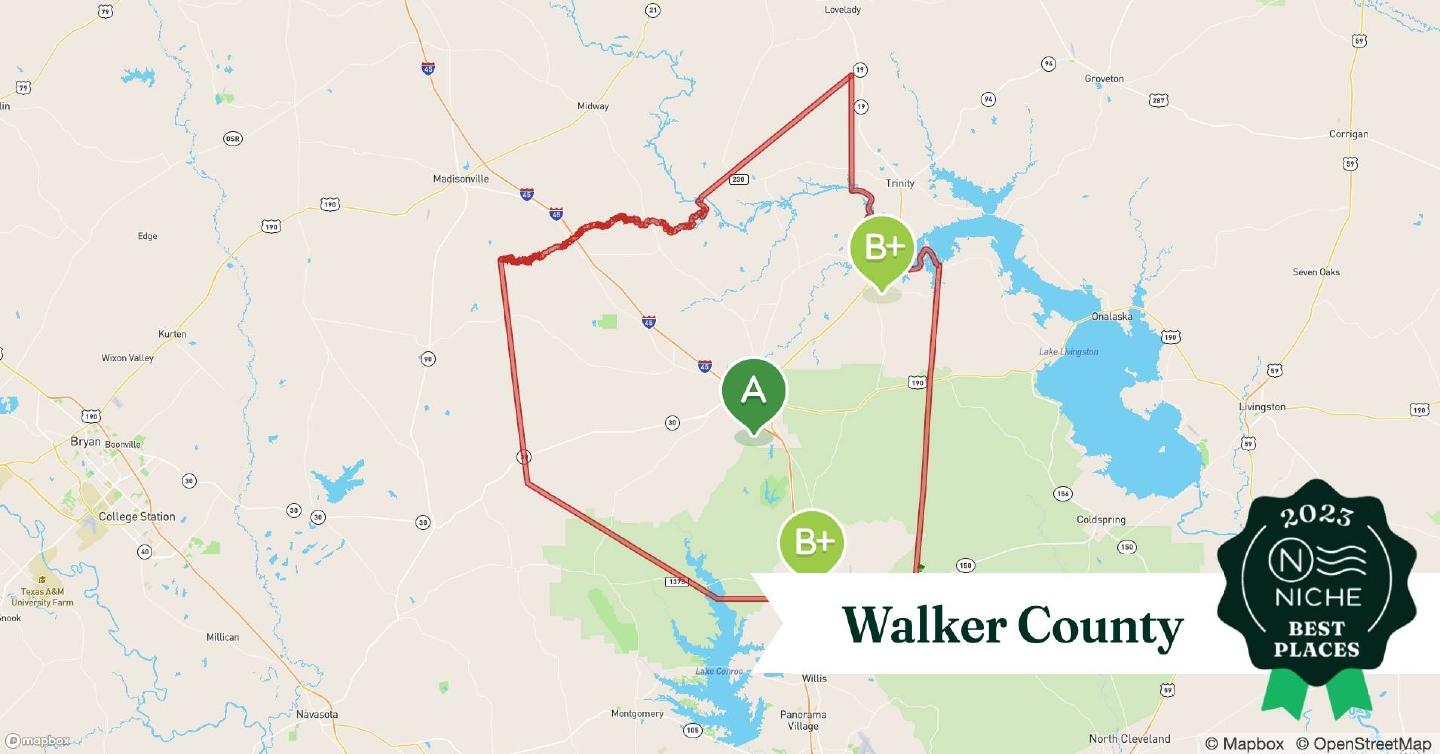
The development of Huntsville and Walker County in the early nineteenth century depended heavily on the efforts of pioneer families, who helped transform a frontier settlement into an organized, economically active community. Among these early settlers, the Smither family played an important role in the commercial, civic, and institutional growth of the Huntsville area. Through business activity, civic leadership, and support of community institutions, the family contributed significantly to the region’s early stability and development in the mid-nineteenth century. [1]
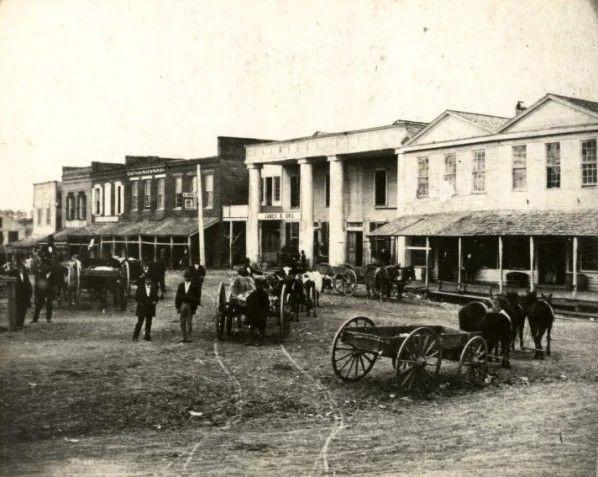
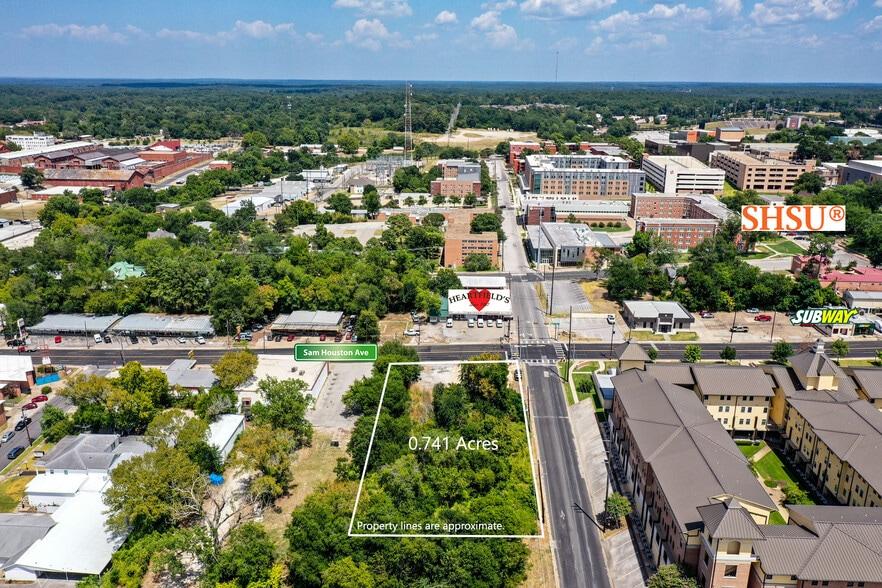
Robert Goodloe Smither arrived in the Huntsville area in 1839 with his wife, Elizabeth. The settlement, founded only four years earlier as a trading hub, was still developing at that time. Early settlers faced numerous challenges, including limited infrastructure, a scattered population, and the need to establish reliable commerce. Smither quickly became involved in addressing these challenges through mercantile activity and civic participation, helping provide the goods and services necessary for the community's growth. As a merchant, Smither operated a store that served both residents and new migrants arriving in the area. Frontier communities relied heavily on general stores for supplies, tools, clothing, and food staples, and the presence of such businesses remained essential to attracting settlers. By opening his store on what later became Sam Houston Avenue, Smither helped create an economic center that supported Huntsville’s transition from a small settlement into an organized town. His commercial efforts not only benefited his own family but also strengthened the local economy by providing employment opportunities and facilitating regional trade. [2]
In addition to his business activities, Smither became actively involved in civic projects that shaped Huntsville’s long-term development. One of his most notable contributions was his participation in local efforts to secure Huntsville as the county seat of Walker County, which state officials officially established in 1846. The selection of Huntsville as the county seat increased the town's political importance, population growth, and economic investment. Leaders like Smither promoted Huntsville’s advantages, helping ensure that government offices, courts, and public services would be located within the community. Smither also supported the establishment of important public institutions that contributed to the region’s stability and educational growth. For instance, he raised funds for several early community projects, including the Texas Penitentiary and Austin College, both of which became central institutions in Huntsville’s development. These businesses brought jobs, schools, and state money to the area, which made the economy even stronger and drew in new settlers. By participating in fundraising and organizational efforts, Smither demonstrated the civic-minded leadership that characterized many early pioneer families. [3]
The influence of the Smither family extended beyond economic and institutional contributions to include their role in community building. Early Huntsville required cooperation among settlers to establish churches, schools, roads, and other essential services. Families like the Smithers were part of the network of early residents who worked together to create a functioning town environment. Their involvement in local organizations, land development, and business partnerships helped create the foundation for long-term community growth. These cooperative efforts were particularly important in frontier settings, where formal government services were limited, and community initiative remained essential. Despite the opportunities present in the growing town, life during this period was often difficult. Disease outbreaks, transportation challenges, and economic uncertainties were common throughout the mid-nineteenth century. Robert Goodloe Smither himself died in 1853 after contracting yellow fever while traveling, a reminder of the risks faced by early settlers. Nevertheless, the institutions, businesses, and civic structures established during his lifetime continued to influence the community long after his death, demonstrating the lasting impact of early pioneer leadership. [4]
By the late nineteenth century, Walker County had become a stable and thriving regional center. This transformation was made possible in part by the efforts of early settlers such as the Smither family, whose work in commerce, civic leadership, and institutional support contributed to the town’s early success. Their involvement illustrates how individual pioneer families played a critical role in shaping the economic and social foundations of East Texas communities. Through their dedication to both private enterprise and public service, the Smithers helped lay the groundwork for Huntsville’s continued growth and historical significance within Walker County.
Images