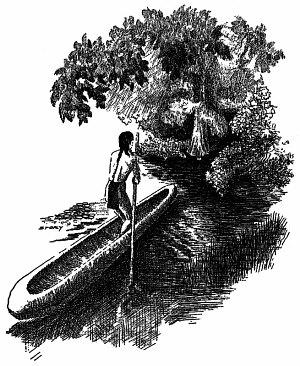
The Atakapa: A Brief History
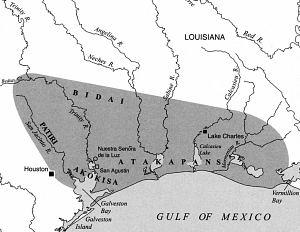
The Atakapa tribe, an indigenous group with a rich cultural heritage, historically inhabited the lush coastal and bayou regions of southwestern Louisiana and southeastern Texas until the late 1800s. Renowned for their exceptional fishing skills, the Atakapa people were deeply connected to the natural resources of their homeland. Alligators and sharks
Alligators and sharks played significant roles in the tribe's economy and cultural beliefs. “The shark— the buffalo of the coastal tribe— for it supplied skin, flesh, oil, sinews, bones, fins, and bile, all of which are integral parts found a use in the everyday life of the clan— was an object of sufficient importance,” according to Dr. Joseph Osterman in his book The Lake Charles Atakapa Period of 1817 to 1820. Mary LeBlanc, an Akokisa member and former tribal council representative, remarked in an interview with Pauly Denetclaw, a writer for the Texas Observer, “We have been here for several thousand years. This is our homeland. We go back to the Ice Age.” [1]
Tragically, the arrival of European powers and the later spread of devastating diseases led to a catastrophic decline in the Atakapa population. In 1698, there were approximately 3,500 members of the tribe; by 1805, this number had plummeted to 175. Most deaths result from illnesses rather than direct conflict. Throughout their history, the Atakapa engaged in trade with neighboring indigenous groups and with European settlers, starting with the Spanish in the 1500s and the French, who ventured into East Texas in the early 1700s. By the 1820s, news of the forcible removal of native tribes due to European encroachment began to spread among surrounding communities. The Atakapa, acutely aware of their dwindling numbers and the futility of rebellion, made the difficult decision to migrate to the Gulf Coast, seeking to minimize contact with European settlers and safeguard their ancestral lands and heritage. [2]
The term "Atakapa" translates to “eaters of men” in the Choctaw language. Dr. Joseph Osterman, in his work The Lake Charles Atakapa Period of 1817 to 1820, provides a chilling account of their practices: “Whenever the victorious warriors captured a brave, swift, or strong enemy or killed one in combat, the human remains, dried and smoked, were carried back to camp. Pregnant females were lined up before all others, and the chief placed the flesh into each mouth, believing that the unborn child might acquire the particular attributes of the deceased.” Other rituals included the use of large mounds, which functioned as governmental and religious centers. The most famous mound, the Bear Creek mound, lies in modern-day downtown Houston. The mound is claimed to have originally been 600 feet long and 40 feet high and to have served as a government seat and a refuge from hurricanes, floods, and even droughts. It was also a place people could use to avoid enemies and predators. [3]
The Atakapa included several distinct clans, most notably the Bidai people, who inhabited the dense forests of the Huntsville/Walker County area. The name “Bidai” translates to “brushwood,” reflecting the environment they once called home. Denetclaw describes the Bidai as "the Bush people," emphasizing their existence within what was once a thriving jungle. Other clans included the Akokisa, known as the “people of the river,” and the Patrir, located further to the northwest. [4]
Images
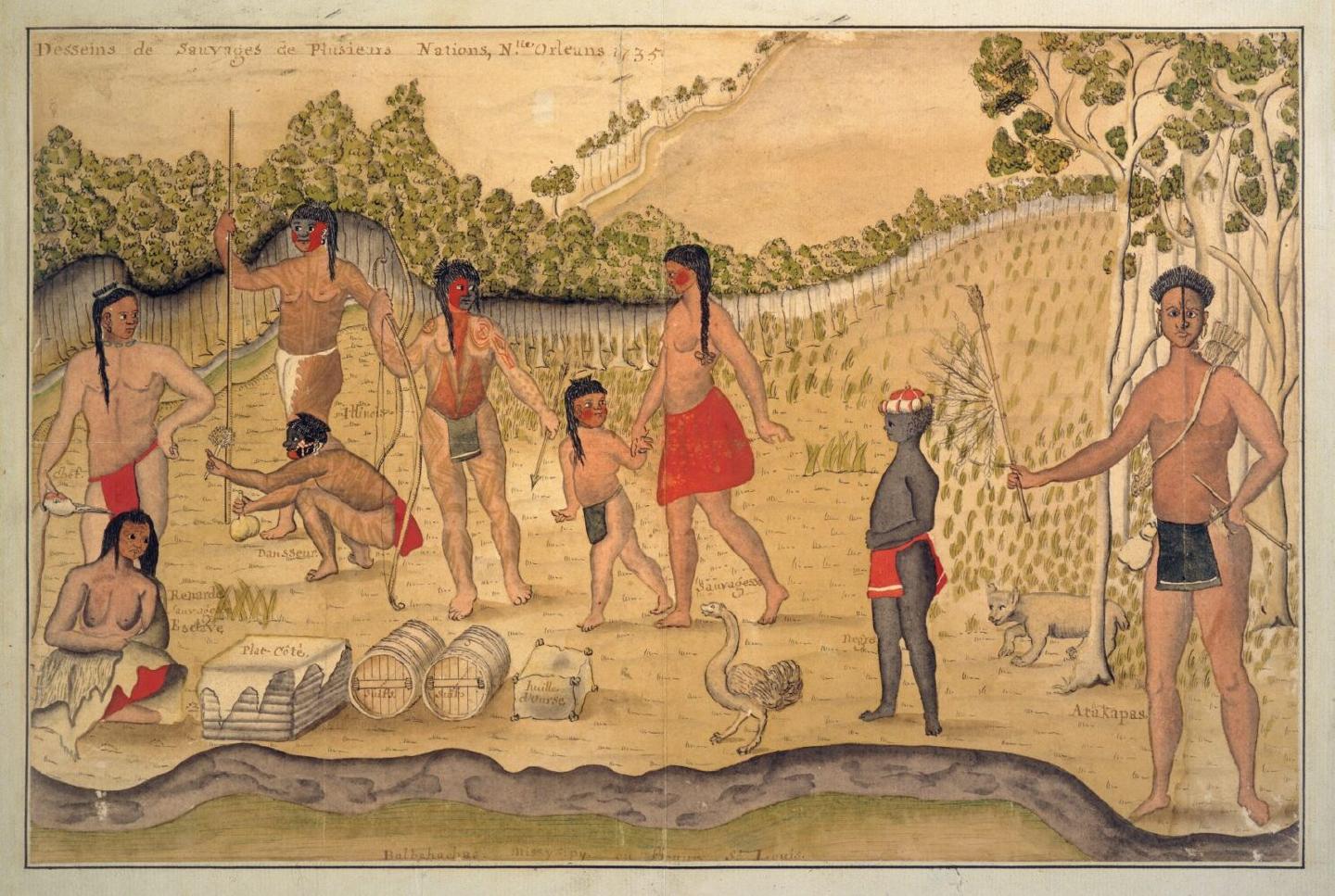
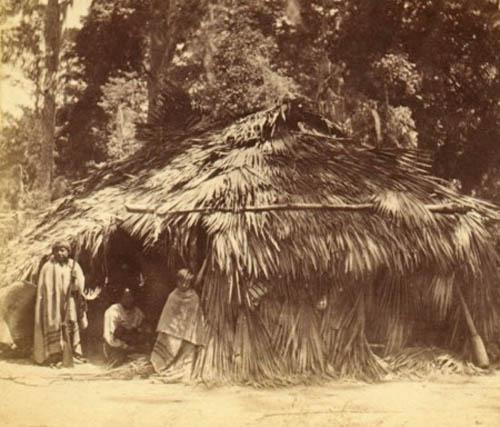
The Atakapa were a hunting and gathering tribe situated along the Gulf of Mexico, stretching from the Trinity River in Texas to Vermilion Bay in Louisiana. In an effort to avoid direct conflicts with European settlers, they migrated toward the coastal region of eastern Texas. During this journey, they unified with neighboring tribes such as the Caddo and Koasati. Renowned for their fishing skills, they developed a deep understanding of how to cultivate the swampy terrain. Over time and through adaptation, they acquired horses and began engaging in bison hunting on horseback. Source: “Atakapa Tribe – Legends of America,” n.d. https://www.legendsofamerica.com/atakapa-tribe/.
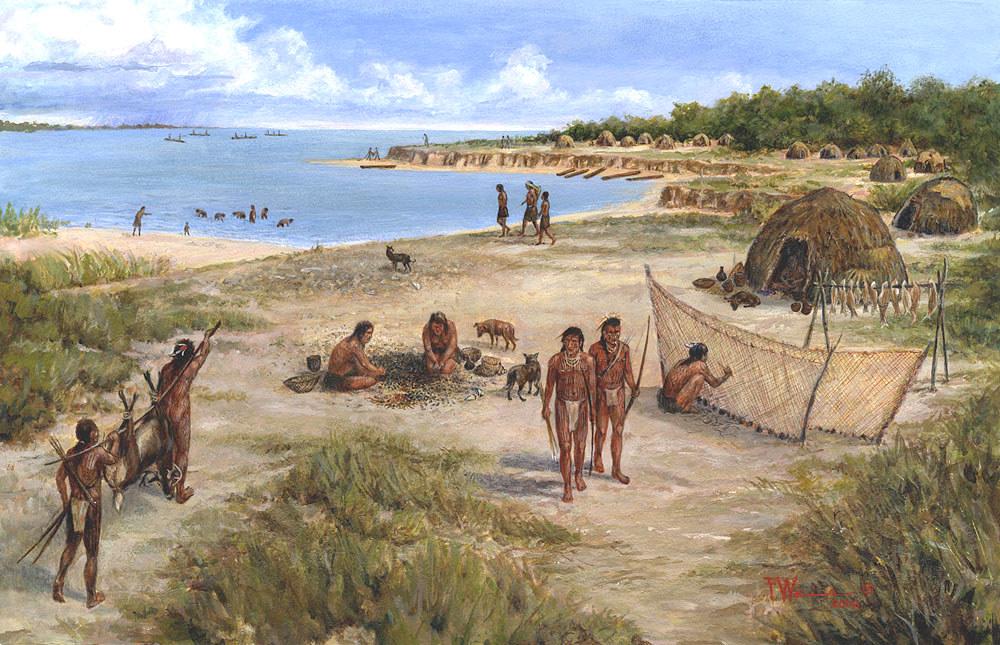
Living, Streetwise. “Part 2: Oak Forest'S Fascinating Fabled First Humans - Streetwise Living.” Streetwise Living (blog), July 21, 2025. https://streetwiseliving.com/part-2-the-fabled-first-humans-of-oak-forest/.