An Overview of the Bidai Tribe
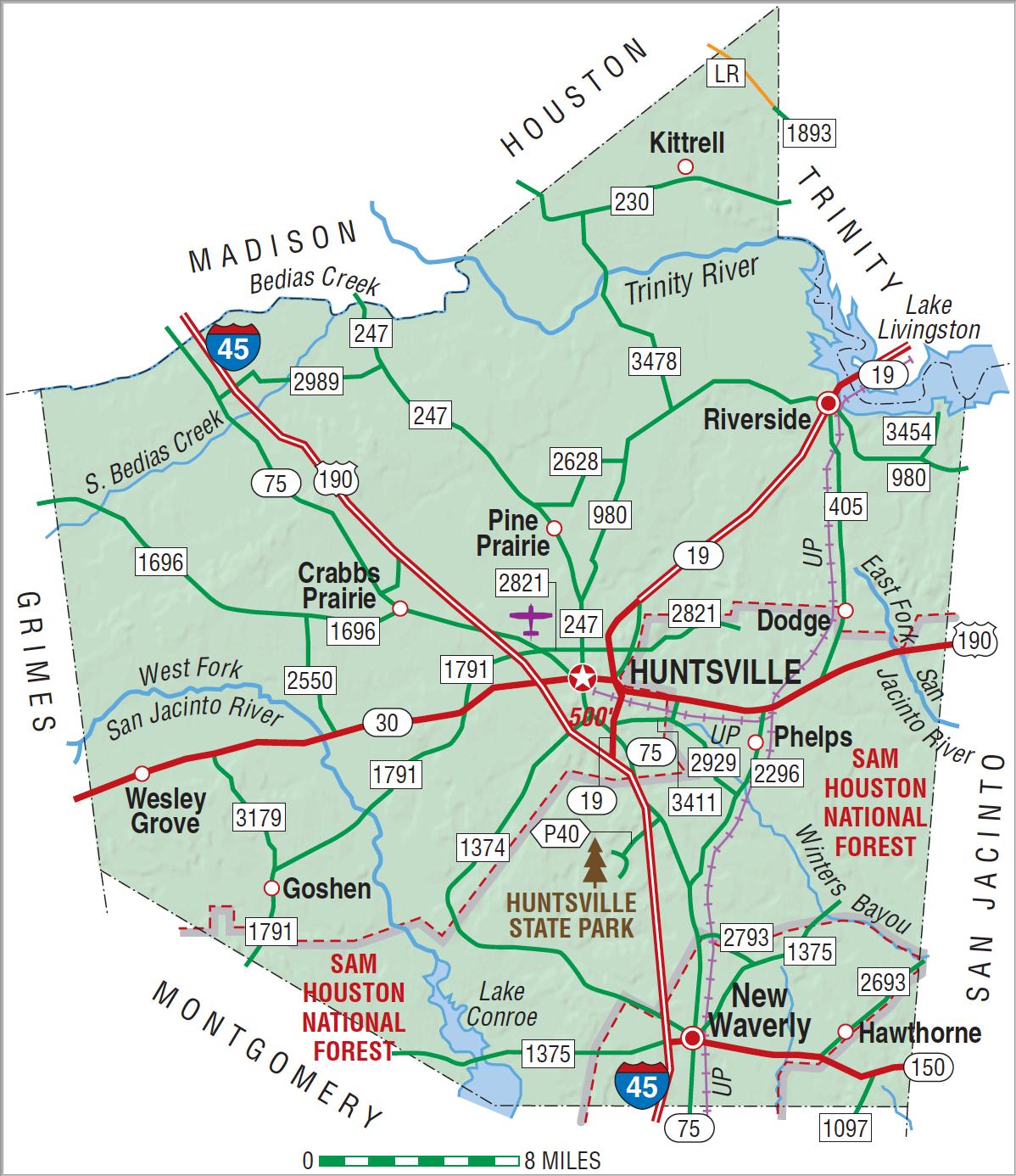
Generations before the founding of Huntsville and the establishment of Walker County, the land along the Bedias Creek was home to Native communities whose histories shaped the region in lasting ways. Among these Native communities were the Bidai, a small but significant tribe that depended on the creek and the resources in the nearby surrounding forests for hunting, trade, and daily life. They lived along the Brazos and Trinity Rivers, and the main settlements were in present-day Grimes County, extending all the way up to Walker County. [1]
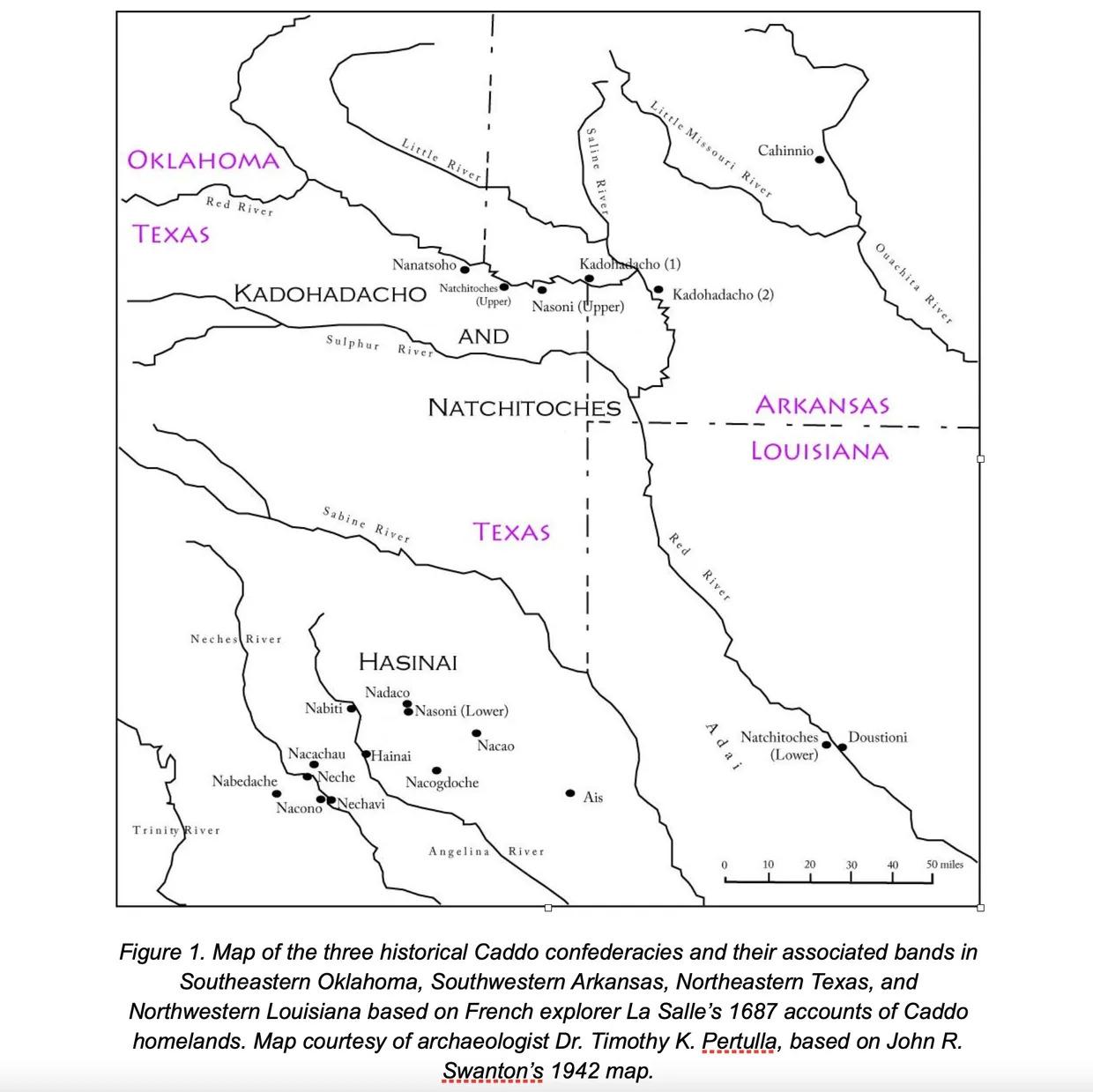
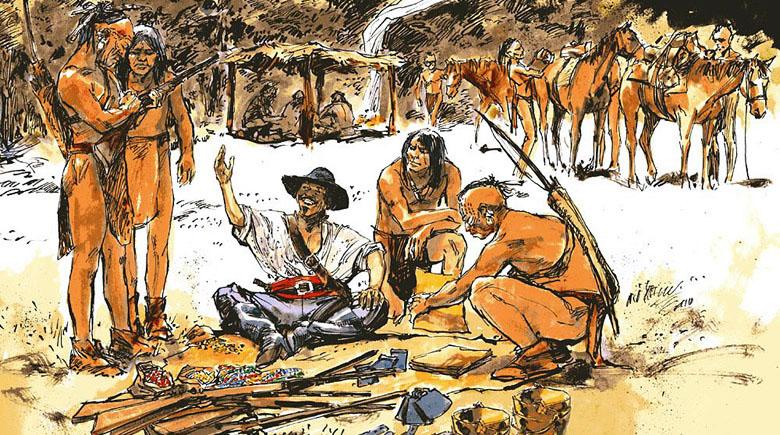
In earlier times, the Bidai maintained contact with the Spanish settlers, influencing their trade in bison and deer, despite laws prohibiting trade with Native Americans. Growing trade and expansion led the Spaniards to form alliances with other Native tribes, such as the Comanche, Wichita, and Hasinai, who aided their preparations to expand into Lipan Apache Territory. The Bidai were instrumental, as they had been supplying the Lipan tribes with French-made firearms and ammunition, leading the Lipan to break into smaller bands as the governor learned that the Bidai were also communicating with the English, who were experiencing rising tensions with the Spaniards. [1]
In 1776, the Bidai population declined by approximately 50 percent, and by 1820, only a few small groups survived, moving into the Akokisas, Koasatis, and other tribes, woven into the Caddo and into the Brazos Indian Reservation, which is present-day Young County. Many of the last tribal members followed the Indian Territory of Oklahoma, where, in 1830, Jean Berlandier studied them and noted that the tribe had become very dependent on hunting, as their lives depended on it, and that they lived simply, as their means were poor, leading to a significant loss in their identity and people. [2]
In another context, the Bidai were known as the oldest Natives, and both perceived themselves as different from the English and Spanish, as the English Americans found the Spanish to be right. As reported by early European explorers, the Bidai claimed to be aborigines of their territory, beggars for subsistence, and savages who wanted more from the French and yet were “friendly, peaceful, and poor,” wanting to learn the Christian way with the English. The Bidai influenced policymaking and alliances, as they seemed to follow what brought them benefits, and their trade shaped how the Spanish responded to the French. Eastern tribes such as the Apache and Hasinai, along with the Bidai, challenged the Spanish efforts to build an anti-Apache line of alliances, causing the formation of Spanish-Indian diplomacy to protect their goals, and changed how they came to negotiations with Native groups. [3]
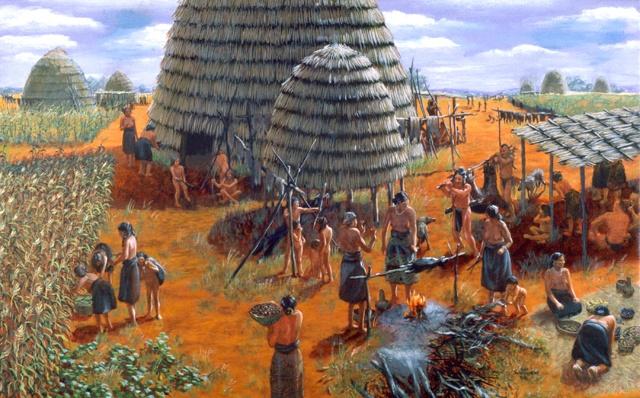
Before settlers encountered the Bidai, they lived along the Bedias Creek and Trinity River, using their resources for food, hunting, transportation, and trade with nearby tribes and practicing seasonal movement that combined gathering and small-scale agriculture. The effects of the expansion and settlement of the French, Spanish, and Anglo included increased trade in resources such as weapons and goods, as well as pressure on Native alliances as Spain and France competed for influence. European diseases also drastically reduced the Native population; hunting grounds shrank with settlers claiming land, and many were forced to relocate, merge with other tribes, and assimilate. [4]
Ultimately, the Bidai story is one of transformation, as Walker County's growth depended on removing the people who knew the land best. The same creeks and forests that once sustained Native tribes came to support farms, crops, and ranches, integrated with roads for transportation. The Bidai were displaced from the waterways that had sustained them and other tribes for generations. Recognizing this history and the Bidai presence challenged the idea of an “empty” frontier and revealed that East Texas settlement was a landscape shaped by Native knowledge and survival.
Images