Native Displacement in Walker County
The Disappearance of the Bidai Tribe
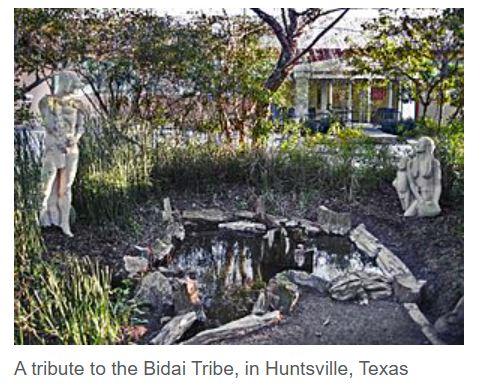
For centuries, the Bidai tribe inhabited the piney woods and river bottoms of East Texas. Unlike larger tribes that frequently appear in history books, the Bidai are rarely mentioned, making their story especially interesting. Their disappearance was not caused by one single event, but rather by a combination of disease, conflict, migration, and cultural assimilation. Examining the Bidai tribe’s history helps reveal how smaller Native American communities gradually lost their identities during periods of European expansion. [1]
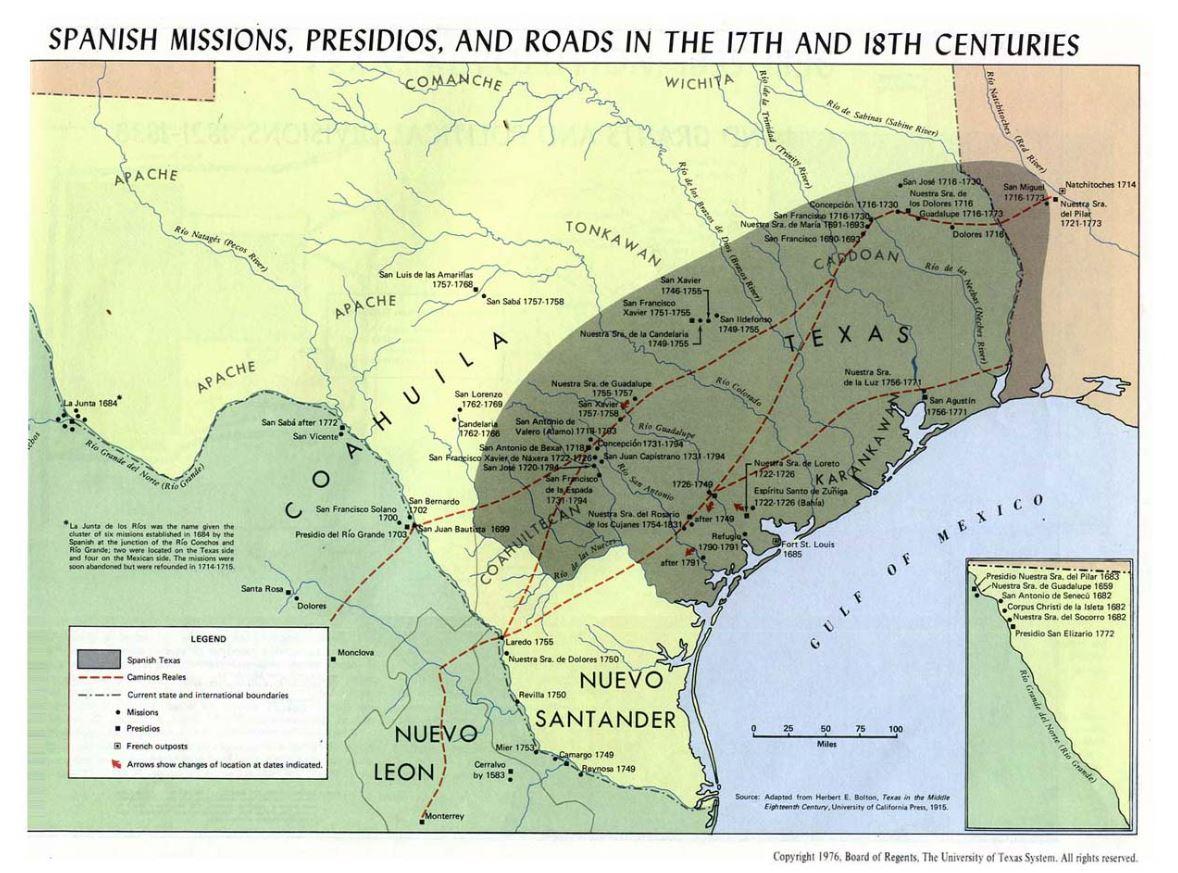
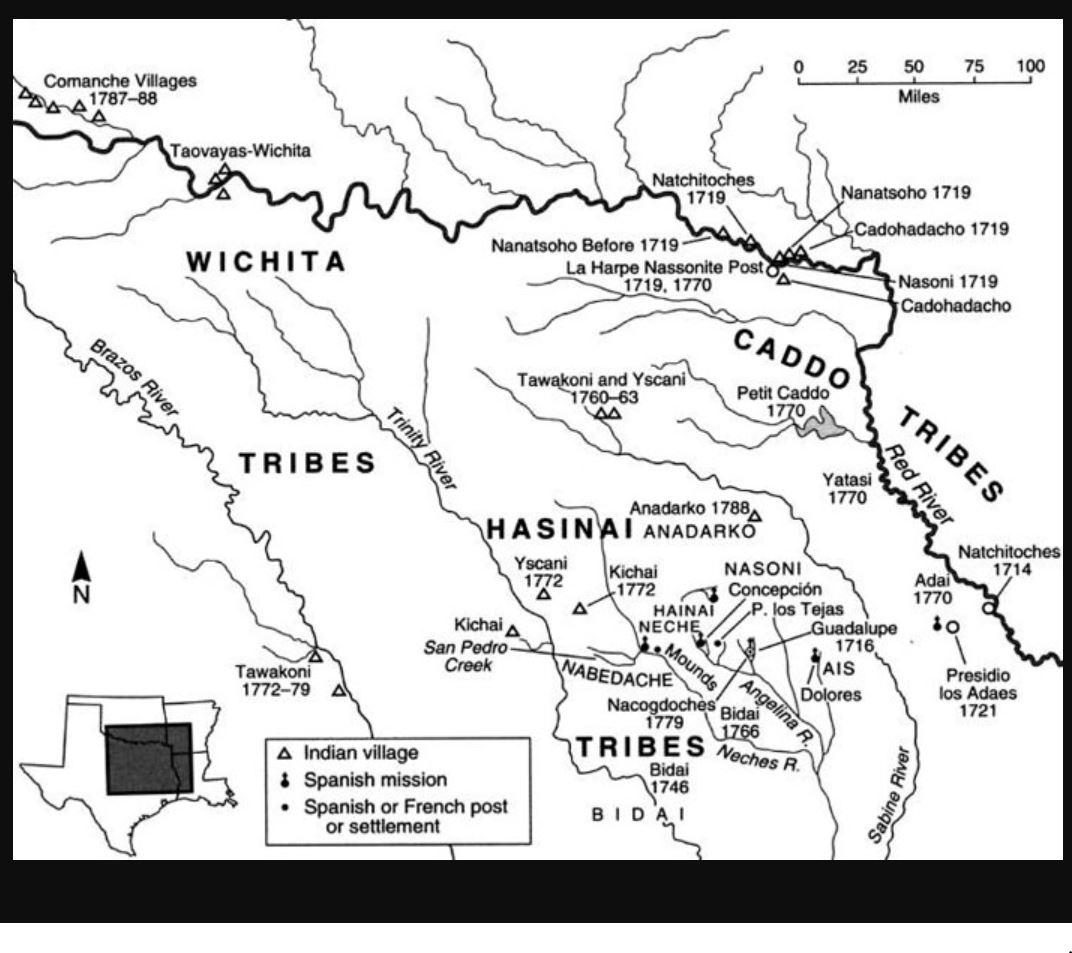
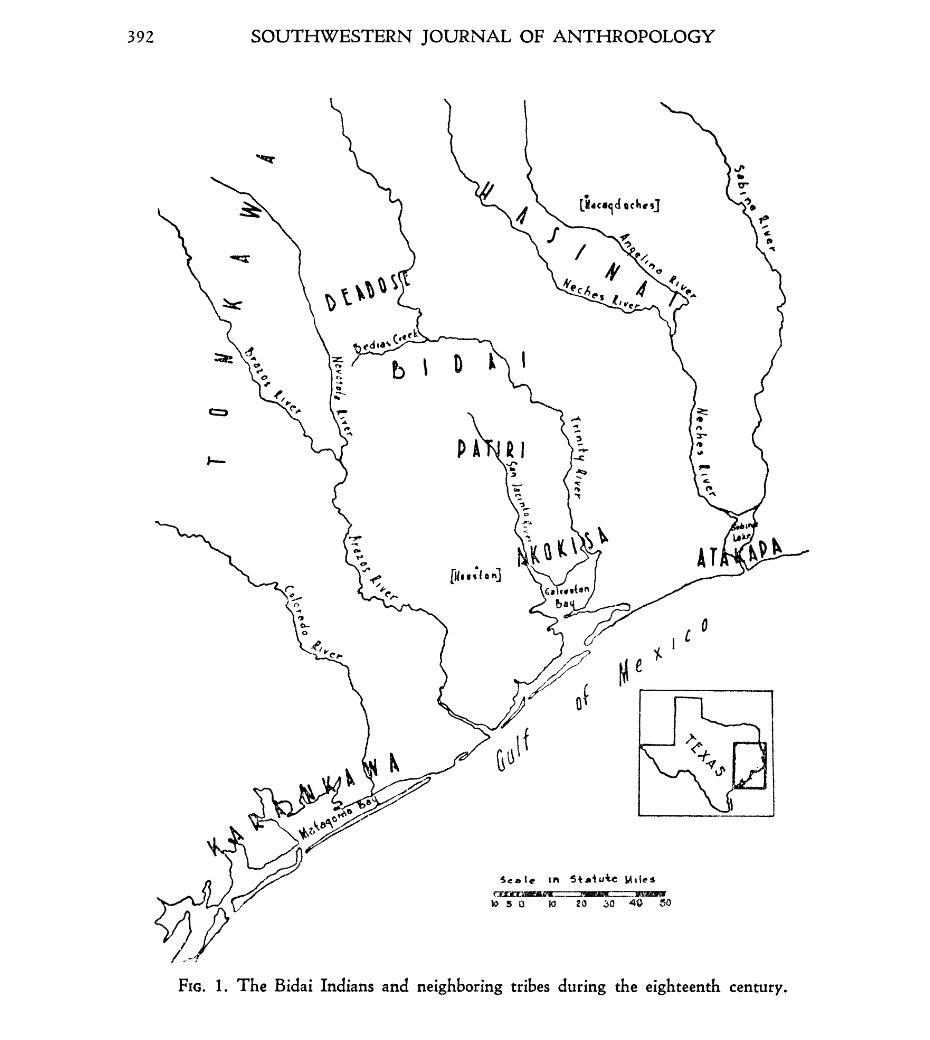
The Bidai tribe lived primarily in the Trinity River region of eastern Texas and remained intricately connected to the Atakapa people. Their name is believed to derive from a Caddo word meaning “brushwood,” reflecting the natural environment in which they lived. Historical records show that Spanish explorers first documented the Bidai in 1691, indicating that they were already established in the region long before European settlers arrived in large numbers. Although a small group, the Bidai often interacted with other indigenous groups and participated in regional trade networks. [2]
The Bidai relied on both agriculture and hunting to survive. They grew corn, beans, and squash and hunted buffalo, deer, and small game, allowing them to sustain permanent settlements rather than live as nomads. Organized around family groups, Bidai villagers created tools, pottery, and baskets for daily use. Like many Native American tribes in Texas, the Bidai also engaged in trade, which helped them maintain relationships with other tribes and European settlers. Some historians suggest that the Bidai even served as intermediaries between Europeans and other Native American groups, demonstrating that they played an active role in the region's economic and political systems. [3]
However, the Bidai’s way of life changed drastically after European contact. Disease played a key role in their decline. Epidemics introduced by Europeans severely reduced their population, and in some cases, entire villages were affected. According to historical accounts, an outbreak in the late eighteenth century killed half of the tribe, leaving them vulnerable to further hardships. In addition to disease, the Bidai were affected by conflicts involving European nations and neighboring tribes, which disrupted their communities and forced them to adapt to new political realities. [4]
As their population decreased, many Bidai members began to merge with other tribes. Some joined the Akokisa or Koasati, while others integrated into the Caddo tribe. This gradual blending of cultures meant that the Bidai did not completely disappear, but their distinct identity slowly faded. The small size of the tribe made it particularly vulnerable to assimilation (Texas Center for Regional Studies, n.d.). [5]
As the Bidai relied on oral traditions to pass their culture from one generation to another, scholars have struggled to understand who the Bidai were. Some researchers argue that the Bidai did not constitute a single unified tribe but rather a collection of smaller groups that shared similar cultural traits and languages. As such, the Bidai's cultural identity may be more complex than originally assumed. If true, this theory would help to explain why the Bidai seemed to “disappear” so easily from historical records, since their identity may have been flexible rather than fixed. [6]
The story of the Bidai tribe reflects a broader pattern in Native American history. Many smaller tribes in Texas faced similar challenges and gradually lost their identities due to colonization and cultural change. The Bidai’s disappearance remained not simply a matter of extinction, but a process of transformation and survival in a rapidly changing world. By studying the history of the Bidai tribe, we can better understand how the loss of their identity represents a larger tragedy: the erasure of indigenous voices from historical narratives. Understanding the Bidai tribe helps us see that history is not only shaped by powerful groups but also by those whose stories have been forgotten.
Images