Huntsville During the Republic of Texas Era (1836-1845)
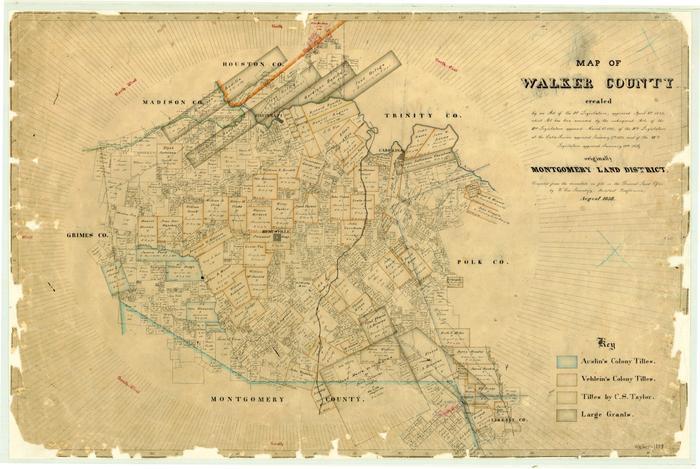
During the Republic of Texas era (1836-1845), Huntsville became an important political and social center in East Texas, earning the nickname "Heart of the Republic." Although a small town, its growth mirrored changes happening across the Republic. Early settlers and key political leaders helped shape Huntsville's role in Texas’s early development. [1]
Huntsville was founded in 1835, just before Texas gained independence from Mexico. Its fertile land, timber, and new transportation routes made it a popular place for Anglo-Texans to settle. After 1836, land grants and opportunities from the Republic government brought more people to the area. A land grant record from this period shows that settlers like John W. Smith received land parcels for farming, highlighting the trend of incentivized settlement. Additionally, letters from early settlers describe the town's potential, driven by new infrastructure connecting Huntsville to key trade routes. Even with a small population, Huntsville quickly became a hub for trade, legal matters, and community events. [2][3]
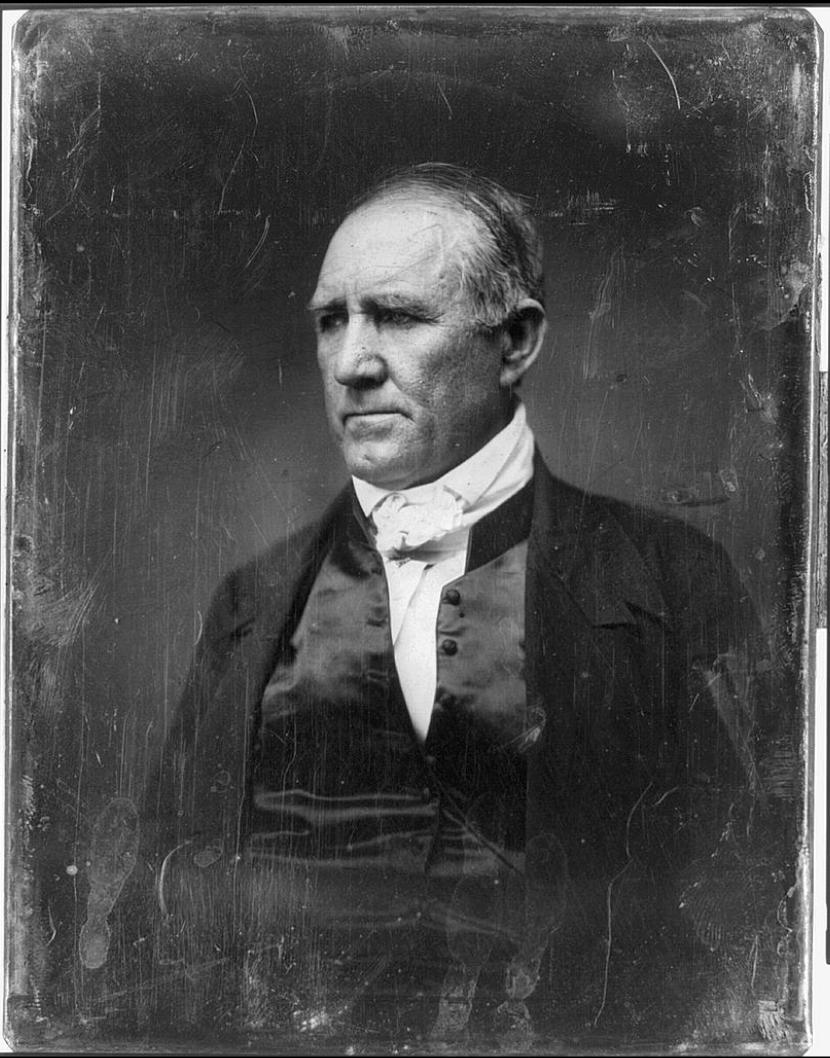
Sam Houston was among the most significant influences on Huntsville during the Republic period. After leading the Texas Revolution and serving as president of the Lone Star Republic, Houston established his personal residence in Huntsville, solidifying its role as the "Heart of the Republic." His presence elevated the town’s political significance and visibility, directly associating it with Republican leadership. As a result, Huntsville became a site where local affairs intersected with national politics. [4]
Life in Huntsville at this time highlighted the challenges of frontier living. Most people farmed or raised livestock for their own use or for trade. Like much of Texas, Huntsville’s economy relied on enslaved labor, which boosted farm production and supported the town’s wealth and social order. Records from the period indicate that a significant portion of the population was enslaved, with approximately 200 enslaved individuals working on local farms by 1840. The average size of operations was around 400 acres of cultivated land, reflecting both the scale of agriculture and the extensive use of slave labor. Though enslaved individuals faced harsh conditions and limited freedoms, some exerted control over their lives by developing skills in agriculture and trade, thereby contributing to the town's economy in subtle yet significant ways. This dependence on agriculture and slavery matched trends seen across the Republic, showing how national patterns shaped even small towns. [5]
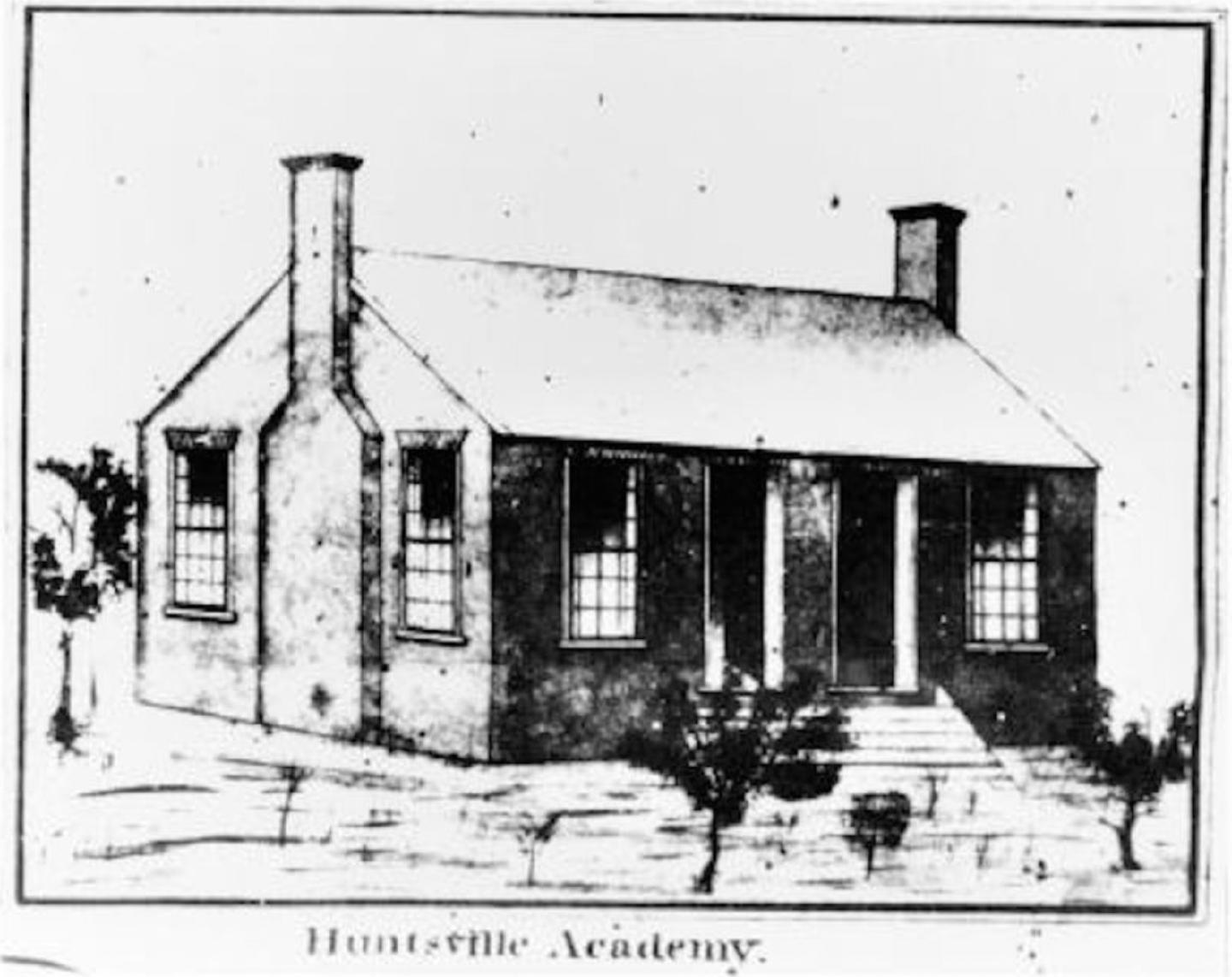
Religion and education were important in Huntsville’s early growth, further emphasizing its role as the "Heart of the Republic." Churches served as both places of worship and main gathering spots where people could share news and build social ties. At the same time, there were few schools; the first classes were held in churches or private homes. An example of this community spirit appears in a diary entry from the 1840s, in which a local teacher recalled a church picnic. It was more than just a festive occasion; it was a pivotal gathering where settlers exchanged ideas, discussed community matters, and strengthened their social bonds. Similarly, letters from residents often mention children eagerly attending lessons in informal school settings, fostering a thirst for learning and a sense of community among young minds. These places helped bring the community together and supported Huntsville’s rise as an educational center [6].
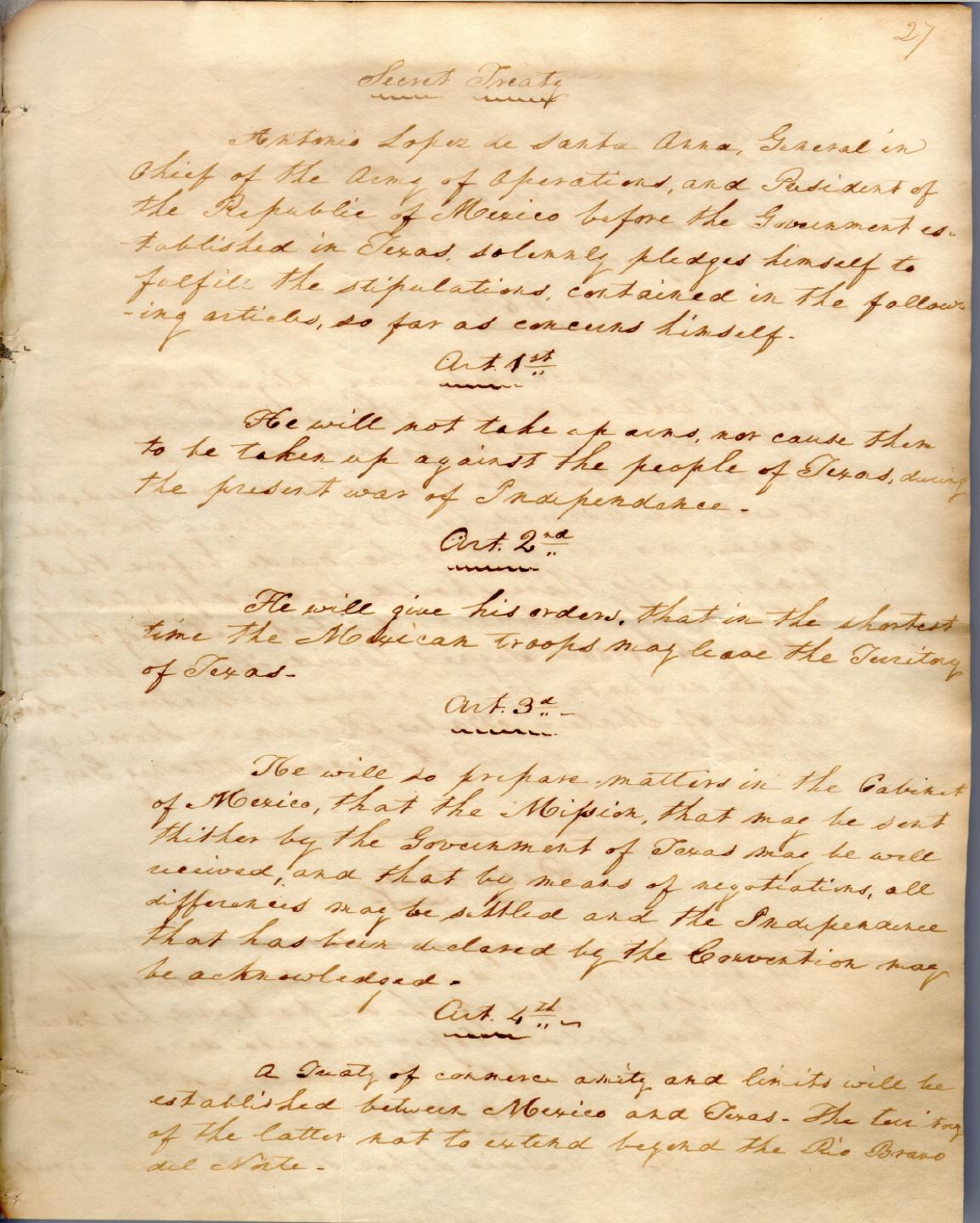
The Republic of Texas era brought political uncertainty, with ongoing conflicts with Mexico and debates about joining the United States, positioning Huntsville as the "Heart of the Republic" amid national transformations. These larger issues affected people in Huntsville, as changes in government and national identity shaped local life. By 1845, when Texas joined the United States, Huntsville had built a stable community shaped by its time during the Republic [7].
Huntsville’s growth during the Republic of Texas era shows how a small, well-placed town could help shape Texas’s development and identity. Its institutions, location, and ties to leaders like Sam Houston made Huntsville a key player in early state-building, truly embodying the “Heart of the Republic.” Unlike its neighbor, Nacogdoches, which remained a focal point for diplomatic and trade activities due to its longer-established settlement and ties to Mexico, Huntsville carved out a distinctive role through political engagements and economic growth fueled by new infrastructure. Similarly, towns like Marshall increasingly relied on cotton plantations as their economic base during this period. Looking at the period 1836 to 1845, it’s clear that Huntsville had a direct impact on Texas’s settlement and government by balancing these influences and emerging as a multifaceted center of political and economic activity. [8]
Images