John McAdams
Long before the Civil War, slavery influenced Texas's social, economic, and cultural viewpoints, and Walker County proved no exception. Plantation ledgers and census data show the extent of slavery in the area, but they do not depict the human misery that was a part of the institution. Some of the most important insights into what everyday life was really like come from formerly enslaved people who later shared their stories. The story of John McAdams, an enslaved man who lived and worked on a plantation in Walker County, Texas, is one such account. His testimonies expose the harsh realities of family separation, physical punishment, forced work, subpar living circumstances, and the challenging journey to liberation. When analyzed in conjunction with Edward Baptist's research, McAdams's story demonstrates how slavery operated as a system of brutality and control that influenced every facet of enslaved existence in addition to being an economic system.
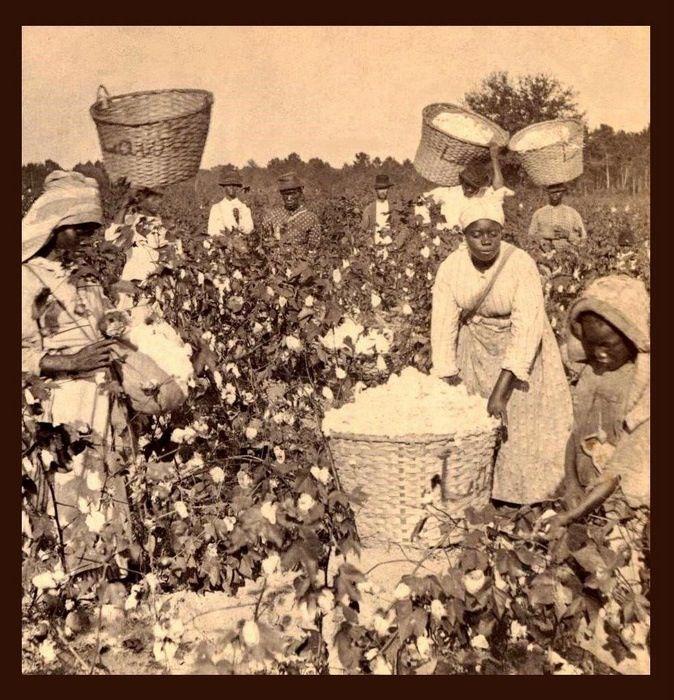
Enslaved individuals were expected to work from an early age. As McAdams related late in life, "Our lives together were not enjoyable because we had to work as soon as we were big enough to walk.” According to Baptist, the goal of American slavery was to use compulsion and punishment to obtain the most output possible out of enslaved bodies, regardless of age. To guarantee plantation owners a consistent labor force, enslaved children were taught from an early age to accept labor as inevitable. In a very intimate way, McAdams's recollection validates this more general historical trend. [1]
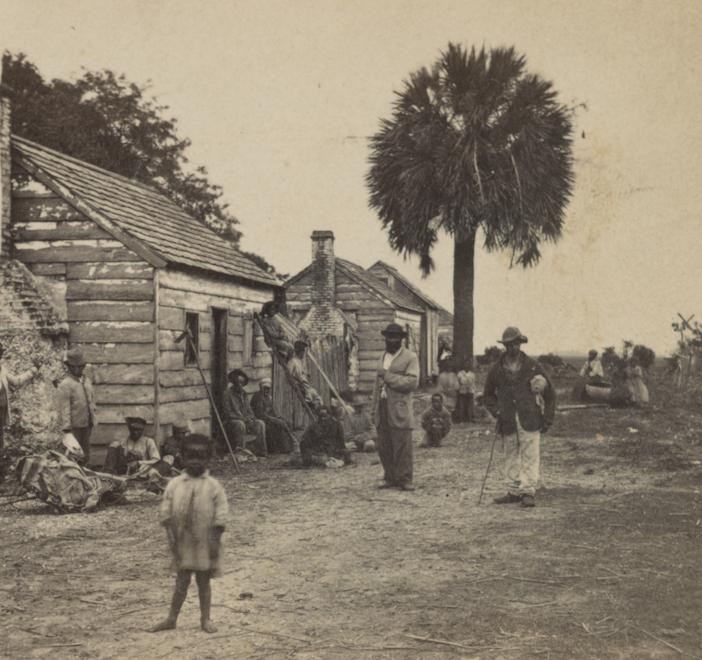
Enslaved individuals lived in substandard, cramped quarters. McAdams describes how “there were four or five of us negroes that slept in that one bed… in the wintertime; that helped to keep us warm, but in the summertime it was real hot sleeping that way.” He mentions that the cabin was warm and dry, but it's obvious that there was little comfort or privacy. Only the bare necessities for keeping enslaved workers alive and productive were considered when designing such housing setups. Baptist notes that, rather than considering the enslaved people as human beings, plantation owners evaluated living conditions primarily in terms of cost-effectiveness. According to McAdams's account, bodily suffering was a common occurrence for those who were enslaved. [2]
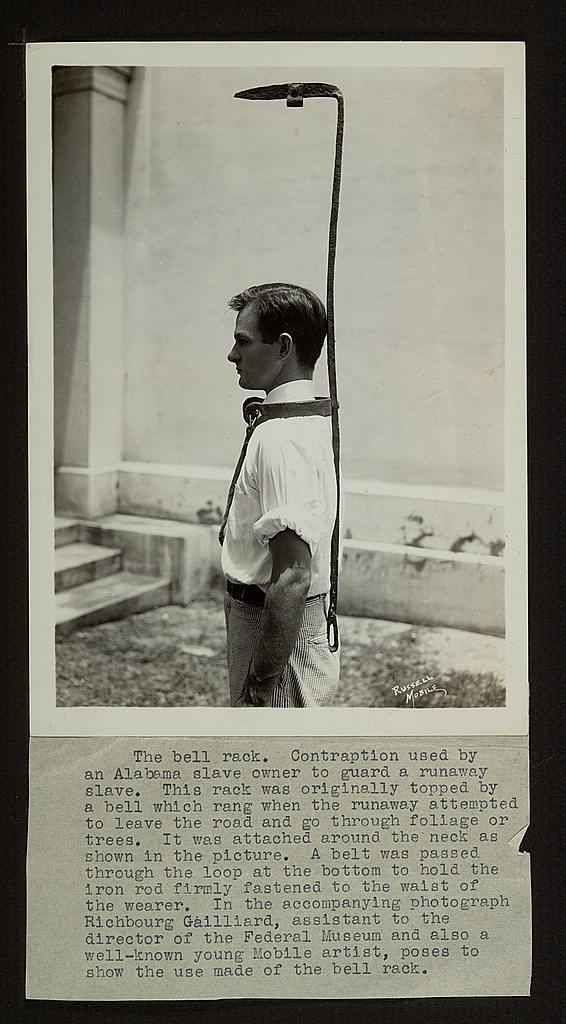
One of the main methods of control in slavery was violence. "Maser would whip a slave if he did not work or for being stubborn and sassing, he or Mistress," McAdams explains. In addition to disciplining individuals, punishment also intimidated others into complying. Psychological punishment, in addition to whippings, was prevalent. As McAdams later recalled, "Maser also put him in the lock-up at night and would not let him go anywhere for a long time… that hurt that negro worse than whipping him.” Deep emotional pain resulted from limitations on family interaction and mobility. Baptist contends that to keep control of their slaves, enslavers used both psychological fear and physical suffering. McAdams's testimony provides direct evidence that these tactics were used regularly. [3]
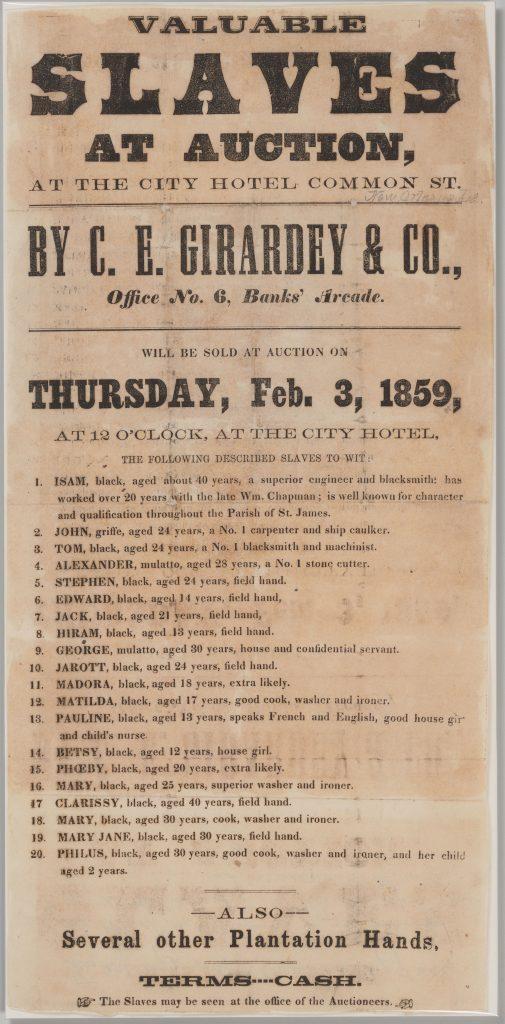
The purchasing and selling of human beings represented one of the most horrific features of slavery. "After he sold us, the hollering and bawling would take place… as they never expected to see or hear of son, daughter, father, or mother again," McAdams says of the slave auctions he witnessed, which tore families apart. Baptist emphasizes that, although causing unspeakable pain, the domestic slave trade proved crucial to the growth of the American economy. This historical reality becomes a personal tragedy in McAdams's story, which demonstrates how familial ties were continually threatened. [4]
To keep control, planters purposely kept enslaved individuals from receiving an education. "Our white people did not teach us how to read or write, saying we were too thick-headed to learn," remembers McAdams. Enslavers sought to stifle literacy because it symbolized strength, autonomy, and access to knowledge. According to Baptist, the plantation authority was maintained, and resistance was avoided by enforcing ignorance. Later, McAdams notes that enslavers were shown to be mistaken when formerly enslaved people started going to school after being freed, proving their intelligence and eagerness to learn. [5]
Legal slavery was abolished through liberation, but equality and security were not achieved through freedom. That's exactly what they did to us, McAdams says, "but I wasn't expecting to be turned loose like a bunch of stray cattle." Many formerly enslaved people were forced into exploitative labor agreements after being freed without land, money, or resources. According to Baptist, at this time, slavery was replaced by new economic control mechanisms, including debt peonage and sharecropping. McAdams's story illustrates the anguish and mental shock of learning that liberation came with no substantial assistance. [6]
Resilience is also evident in McAdams's story, despite extreme hardship. He worked as a farmer, raised a family, and kept trying to make ends meet in a hostile environment. His life narrative shows the tenacity of people who survived slavery as well as the brutality of enslavement. Because they emphasize the voices of the enslaved rather than the viewpoints of enslavers, primary materials such as McAdams's tale are crucial.
Images