Town Creek Cotton Gin
Robert Plocheck Date: April 1, 2021
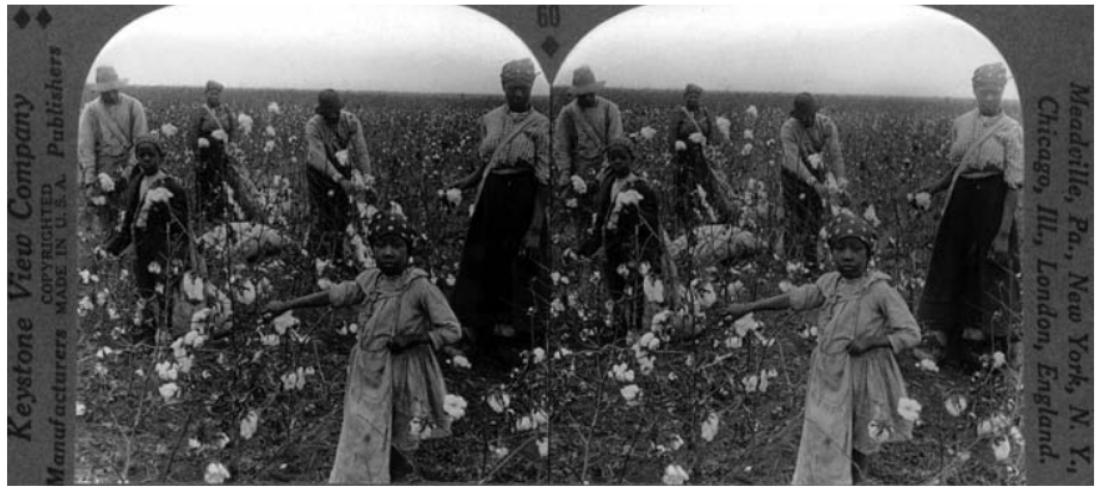
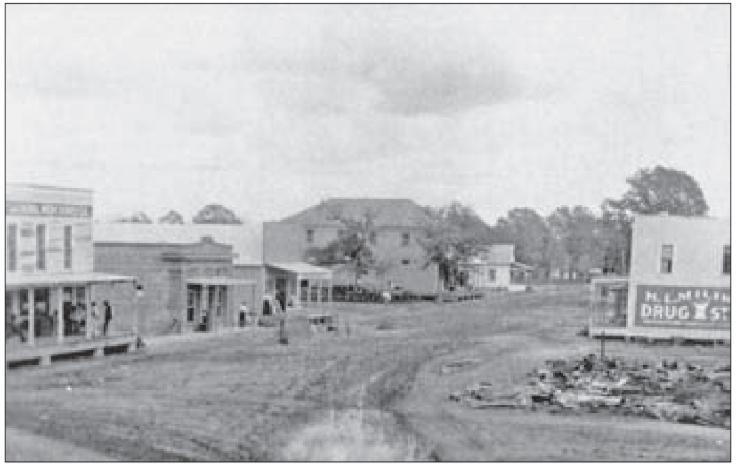
Near the banks of Town Creek in present-day Huntsville once stood one of Walker County’s earliest “cotton engines,” more commonly known as “cotton gins.” This small but important building helped shape the region’s agricultural development during the early to mid-1800s. Between 1820 and 1860, cotton became the county’s main crop. Huntsville’s cotton gin thus helped transform a sparsely settled frontier into a thriving agricultural community. [1]
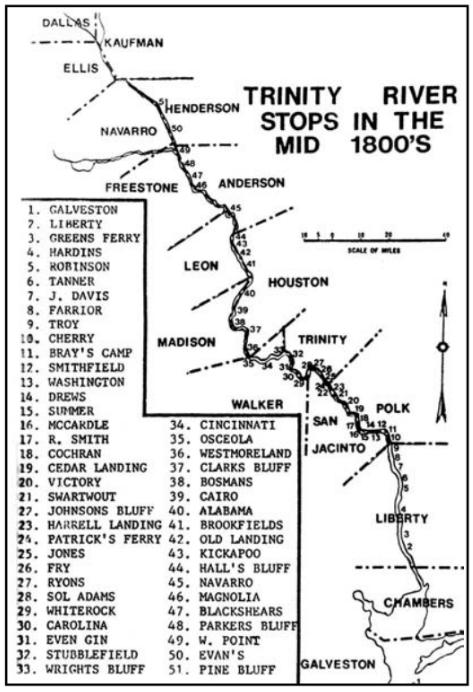
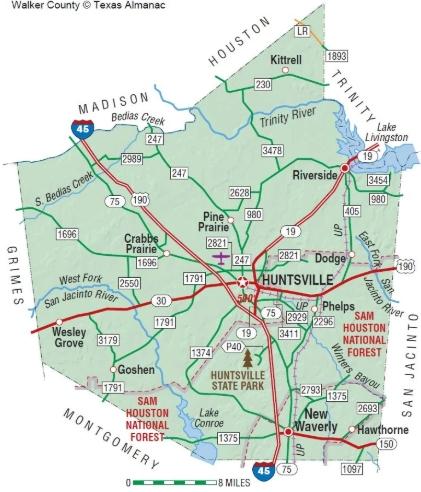
Walker County’s physical landscape significantly influenced its early agricultural development. Located in southeastern Texas, the county has fertile sandy soil, dense piney woods, and abundant water resources, making it ideal for farming. Streams like Town Creek, Harmon Creek, and the San Jacinto River provide a steady water supply for crops. Before the rise of railroads, the nearby Trinity River served as a key transportation route for moving agricultural products to market. Historian John Leffler notes that these features led early settlers to establish cotton plantations across Walker County. By the 1840s, agriculture had become the main economic activity in Walker County. [2]
Early settlement patterns reveal the region’s agricultural potential. Many of the county’s first communities in the 1830s and 1840s formed along creeks, springs, and river bottoms where the soil was most fertile. [3] Many of these original settlers brought enslaved African Americans with them. Together, these groups changed the county’s demographics and agricultural landscape. Between 1850 and 1860, Walker County’s population more than doubled, increasing from 3,964 residents to 8,191. This rapid population growth accompanied a dramatic expansion in agriculture. Improved farmland increased by 213% during this period, while corn production rose by 207%. Most striking was the growth of cotton cultivation; production skyrocketed by 1,272% over a generation. This shift shows how quickly cotton moved from a modest frontier crop to the main agricultural force in Walker County. [4]
By the 1850s, Walker County’s fledgling settlements became key commercial centers. They connected Walker County’s cotton fields to larger trade networks and strengthened the crop’s importance in the local economy. By 1860, represented the driving force behind Walker County’s economic growth. It influenced where people settled, how labor systems worked, and how Huntsville grew as a regional center of trade and commerce. [5]
As cotton production grew in Walker County, the county built the infrastructure needed to support a larger agricultural economy. Cotton gins, such as the early one near Town Creek in Huntsville, spread quickly throughout Texas during the mid-1800s. Such a development allowed planters to process cotton more efficiently and promoted the growth of commercial cotton farming. This technological change helped Walker County farmers raise their output and engage more actively in regional markets. [6]
County officials played a crucial role in supporting agricultural growth. Early leaders such as Milton Estill, Chief Justice of Walker County, County Clerk Isaac McGary, and Sheriff William Reeves collaborated with county commissioners to create budgets, set taxes, and oversee road construction. These improvements proved vital in a region where transportation remained challenging. Many early roads were simply dirt paths carved through forests or across rolling prairies, and heavy rains often made travel difficult. [7]
By 1860, Walker County had developed a complex agricultural system. It featured cotton gins to process the crop, county-maintained roads to support settlements, and river ports to transport cotton to market. These changes turned the county from a frontier settlement into a prosperous agricultural area closely tied to the cotton economy of East Texas. [8]
The spread of gins across Walker County helped local planters process cotton more efficiently and get their products to market more effectively. The existence of a gin along Town Creek highlights this broader move toward commercial agriculture. It shows how improvements in technology have changed everyday life and economic activity in the area. By looking at places like the Town Creek cotton gin, we learn more about the factors that shaped Walker County’s growth and the wider history of East Texas before the Civil War. [9]
Images
Robert Plocheck Date: April 1, 2021